-
Plant protein
-
Fiber
-
Iron
-
Magnesium
-
Folate
-
Other micronutrients
Iron deserves particular attention because it is involved in several biological processes related to thyroid hormone production and metabolism.
A diet that is chronically low in iron can contribute to deficiency, particularly in certain populations.
Beans and lentils can help contribute to iron intake, especially when combined with vitamin C-rich foods such as tomatoes, bell peppers, citrus fruits, or broccoli.
However, plant-based iron is less readily absorbed than the heme iron found in animal foods.
Preparation also matters. Soaking, sprouting, fermenting, and cooking legumes can reduce certain compounds that interfere with mineral absorption.
For people following vegetarian or vegan diets, paying attention to iodine, selenium, iron, zinc, vitamin B12, and protein is especially important.
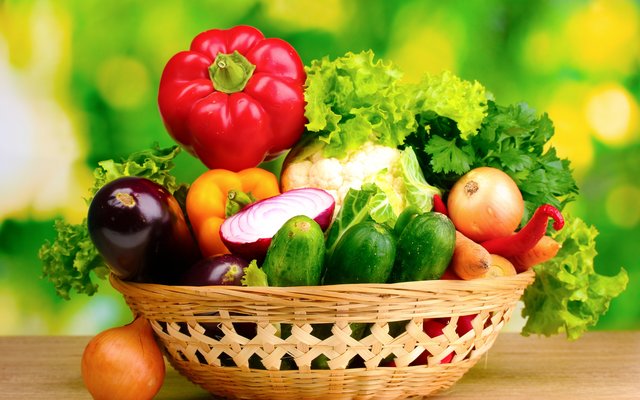
6. Cruciferous Vegetables: Healthy Foods That Are Often Misunderstood
Broccoli, cabbage, cauliflower, kale, Brussels sprouts, and similar vegetables are sometimes described as "bad for the thyroid."
That claim is too simplistic.
These vegetables contain compounds known as glucosinolates, which can break down into various biologically active substances.
Certain compounds derived from cruciferous vegetables can interfere with iodine utilization under particular conditions, which is why very high consumption has been studied in relation to thyroid function.
But this doesn't mean healthy people need to avoid broccoli or cabbage.
For most people, normal portions of cooked cruciferous vegetables can be part of a healthy diet.
Cooking can also reduce the activity of some of the compounds that have raised concerns.
The situation may be different for someone with significant iodine deficiency or certain thyroid disorders, particularly if they consume extremely large quantities of raw cruciferous vegetables.
The important lesson is not "cruciferous vegetables are bad."
It's that dose, overall diet, iodine status, and individual health circumstances matter.
What About Soy?
Soy deserves a special mention because it is often included in discussions about thyroid health.
Soy foods such as tofu, tempeh, edamame, and soy milk contain compounds called isoflavones.
Some people worry that soy interferes with thyroid function.
The evidence is more nuanced.
For people with adequate iodine intake and normal thyroid function, moderate consumption of traditional soy foods is generally not considered inherently harmful to the thyroid.
However, soy can interfere with the absorption of levothyroxine, a medication commonly used to treat hypothyroidism, if consumed too close to the time the medication is taken.
This doesn't necessarily mean someone taking thyroid medication must avoid soy.
Instead, medication timing should be discussed with a healthcare professional, and the medication should generally be taken according to its prescribing instructions.
Iodine: The Thyroid Nutrient You Can't Ignore
Among all the nutrients associated with thyroid function, iodine is one of the most important.
The thyroid uses iodine to produce its primary hormones.
Too little iodine can impair hormone production.
But excessive iodine can also disrupt thyroid function in susceptible people.
This creates a situation where more is not necessarily better.
For many people, iodized salt is an important source of iodine. However, specialty salts such as sea salt, Himalayan salt, and kosher salt are not necessarily iodized.
If you're trying to reduce sodium, that doesn't mean you should automatically replace iodized salt with a large amount of an alternative salt.
Instead, discuss your dietary needs with a healthcare professional if you have a thyroid condition or have been advised to restrict sodium.
Selenium and the Thyroid
Selenium receives less attention than iodine, but it plays several important roles in thyroid biology.
Certain selenium-containing enzymes help convert thyroid hormones into their active or inactive forms.
Selenium also contributes to antioxidant defense.
However, selenium supplementation isn't automatically beneficial for everyone with a thyroid problem.
Research has investigated selenium supplementation in certain autoimmune thyroid conditions, but results have varied, and supplementation should not be treated as a universal therapy.
Food sources are generally a safer starting point for obtaining nutrients unless a healthcare professional identifies a deficiency or recommends supplementation.
Vitamin D and Thyroid Health
Vitamin D isn't directly used to manufacture thyroid hormones, but it has attracted interest because of its role in immune regulation and bone health.
Research has investigated possible relationships between vitamin D status and autoimmune thyroid diseases.
However, finding an association does not prove that taking vitamin D prevents or treats thyroid disease.
If you have concerns about vitamin D deficiency, testing can help determine whether supplementation is appropriate.
It is generally better to correct a documented deficiency than to assume that very high doses will improve thyroid function.
What If You Have Hypothyroidism?
Hypothyroidism occurs when the thyroid doesn't produce enough thyroid hormone.
Hashimoto's thyroiditis is one common cause.
Food cannot replace thyroid hormone medication when medication is medically necessary.
However, a balanced diet can help support overall health.
Depending on individual needs, this may include:
-
Adequate protein
-
Iodine from appropriate food sources
-
Selenium-rich foods
-
Iron-rich foods
-
Fruits and vegetables
-
Whole grains
-
Legumes
-
Healthy fats
One particularly important issue is medication timing.
Certain foods and supplements can interfere with levothyroxine absorption, including calcium and iron supplements and, in some circumstances, high-fiber foods.
Patients should follow their medication instructions carefully and ask their healthcare professional how to coordinate medication with meals and supplements.