7 Early Warning Signs of Nasopharyngeal Cancer You Should Never Ignore
Nasopharyngeal cancer is a rare but serious type of cancer that develops in the nasopharynx, the area located behind the nose and above the back of the throat. Because this region is hidden deep inside the head, early symptoms are often subtle and easily mistaken for common illnesses such as colds, sinus infections, or allergies. Unfortunately, this often leads to late diagnosis, when treatment becomes more difficult.
Understanding the early warning signs of nasopharyngeal cancer can make a life-saving difference. If you notice even one of the symptoms below that persists or worsens, seeking medical attention promptly is critical.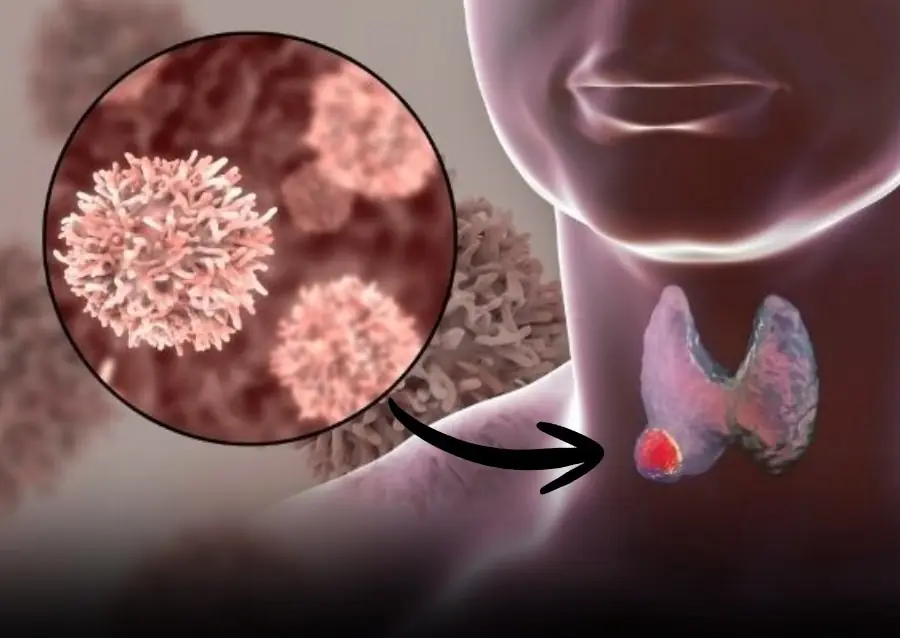
1. Persistent Nasal Congestion or Blockage (Especially One-Sided)
Occasional nasal congestion is normal, especially during flu season. However, ongoing nasal blockage that does not improve, particularly if it affects only one side, can be an early red flag. Some people also experience a constant feeling of pressure or fullness deep inside the nose.
Unlike allergies or a cold, this congestion may not respond to medication and can slowly worsen over time.
2. Frequent Nosebleeds Without Clear Cause
Occasional nosebleeds can happen due to dry air or irritation. However, repeated nosebleeds, especially those that occur without obvious triggers, should not be ignored.
In early nasopharyngeal cancer, tumors may irritate delicate blood vessels in the nasopharynx, leading to unexpected or recurring bleeding.
3. A Lump or Swelling in the Neck
One of the most common early signs of nasopharyngeal cancer is a painless lump in the neck. This usually results from swollen lymph nodes reacting to cancer cells.
Many people overlook this symptom because it often causes no pain. However, a neck lump that persists for weeks or gradually enlarges requires medical evaluation.
4. Hearing Problems or Ringing in One Ear
The nasopharynx is closely connected to the middle ear through the Eustachian tube. When a tumor blocks this passage, it can cause fluid buildup, leading to:
-
Hearing loss in one ear
-
A feeling of ear fullness
-
Ringing or buzzing sounds (tinnitus)
These symptoms may resemble an ear infection but often do not improve with standard treatment.
5. Persistent Sore Throat or Difficulty Swallowing
A sore throat that lasts longer than usual, especially when accompanied by pain while swallowing, may signal something more serious. Some individuals describe the sensation as having something stuck in the throat.
If throat discomfort continues for weeks without improvement, it should not be dismissed as a simple infection.
6. Headaches, Facial Pain, or Numbness
As nasopharyngeal tumors grow, they may affect nearby nerves, leading to:
-
Frequent or unexplained headaches
-
Facial pain or pressure
-
Numbness or tingling in parts of the face
These symptoms are often overlooked or attributed to stress or sinus problems, but their persistence is a key warning sign.
7. Changes in Voice or Speech
A tumor in the nasopharynx can alter airflow and nerve function, leading to voice changes, hoarseness, or nasal-sounding speech. When these changes occur without a clear reason and last longer than two weeks, medical attention is advised.
Why Early Detection Matters
Nasopharyngeal cancer responds far better to treatment when detected early. Early-stage cases often have higher survival rates and require less aggressive treatment compared to advanced stages.
Delays in diagnosis are common because symptoms mimic everyday illnesses. This is why awareness and vigilance are essential.
When Should You See a Doctor?
You should consult a healthcare professional if you experience:
-
Any of the above symptoms lasting more than two weeks
-
Symptoms that worsen over time
-
Multiple symptoms occurring together
Early evaluation may include imaging tests, endoscopy, or biopsy to rule out serious conditions.

Final Thoughts
Nasopharyngeal cancer may be uncommon, but its impact can be devastating if ignored. Your body often sends warning signals early—the key is recognizing them and acting promptly.
If you notice even one unusual symptom, do not wait. Early action can save lives.
Your health is worth paying attention to.