
The Truth About Peanuts: Benefits, Risks, and What Happens to Your Body
Thinking About Eating More Peanuts? Here's What You Should Know
Health 27/07/2026 14:56
The digestive system and the liver are two of the hardest-working parts of the human body. Every day, they work together to break down food, absorb nutrients, process medications, regulate metabolism, and remove waste products. Because these systems are so closely connected, taking care of one often benefits the other.
While no single drink can "detox" the liver or cure digestive disorders, certain natural beverages can provide hydration, vitamins, minerals, antioxidants, and other compounds that may support normal digestive function and overall liver health when combined with a balanced diet and healthy lifestyle.
It's important to remember that the liver already has an efficient detoxification system. Marketing claims about miracle detox drinks are often exaggerated and not supported by scientific evidence. Instead, focusing on nutritious beverages, regular exercise, adequate sleep, and limiting alcohol offers the greatest long-term benefits.
Below are seven natural drinks that may help support healthy digestion and liver function.
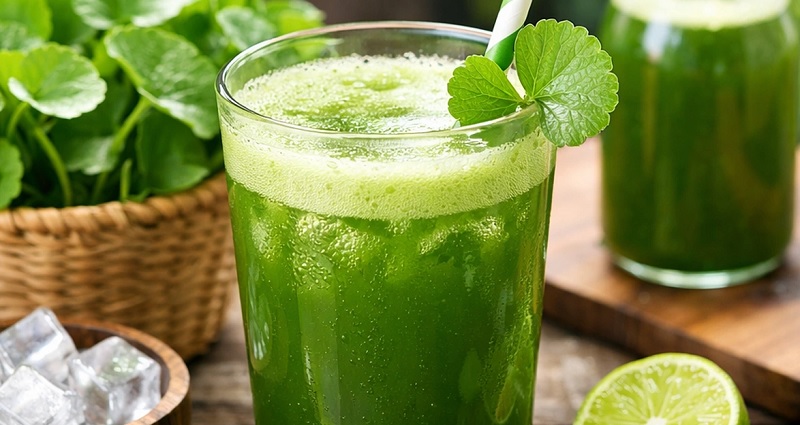
Although it may seem simple, water is one of the most important beverages for your overall health.
Every organ—including the liver and digestive tract—depends on adequate hydration to function properly.
Water helps:
Support digestion
Aid nutrient absorption
Maintain healthy bowel movements
Transport nutrients throughout the body
Assist the kidneys and liver in processing waste products
Prevent dehydration, which can contribute to constipation
Drinking enough water throughout the day also helps keep digestive secretions functioning normally and supports the movement of food through the intestines.
Individual hydration needs vary depending on age, activity level, climate, and health conditions, but making water your primary beverage is an excellent daily habit.
Green tea has been enjoyed for centuries and is rich in naturally occurring plant compounds called catechins, particularly epigallocatechin gallate (EGCG).
These antioxidants have been widely studied for their potential health benefits.
Research suggests that moderate green tea consumption may support:
Healthy metabolism
Cardiovascular health
Normal liver function
Protection against oxidative stress
Some observational studies have linked regular green tea consumption with a lower risk of certain liver conditions, although more research is needed.
Green tea also contains a moderate amount of caffeine, so individuals who are sensitive to caffeine should consume it earlier in the day.
It is worth noting that high-dose green tea supplements have been associated with liver injury in rare cases. Drinking brewed green tea in moderation is generally considered safe for most healthy adults.
Ginger has long been used in traditional medicine and continues to be studied for its effects on digestive health.
Its natural compounds, including gingerols and shogaols, may help support normal digestive function.
Many people drink ginger tea to help relieve occasional:
Nausea
Mild indigestion
Bloating
Motion sickness
Pregnancy-related nausea (under medical guidance)
Some research also suggests ginger possesses antioxidant and anti-inflammatory properties that may contribute to overall health.
Preparing fresh ginger tea is simple:
Slice fresh ginger root.
Simmer it in hot water for several minutes.
Strain before drinking.
Adding lemon is optional, but avoid excessive sugar if your goal is to support metabolic health.
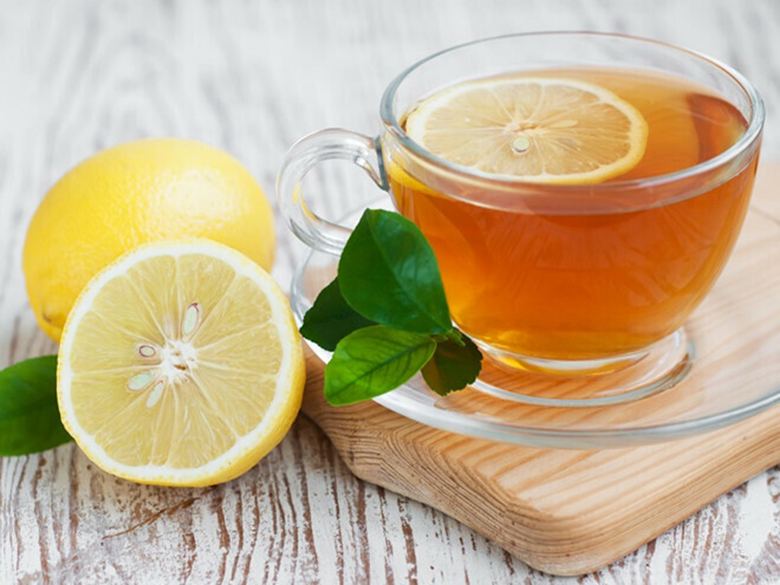
Coffee may surprise some people by appearing on this list.
Over the past two decades, numerous studies have found that moderate coffee consumption is associated with a lower risk of several chronic liver diseases.
Research has linked regular coffee intake with:
Reduced risk of liver fibrosis
Lower risk of cirrhosis
Reduced likelihood of certain liver cancers
Improved liver enzyme levels in some individuals
Scientists believe coffee contains a variety of biologically active compounds beyond caffeine that may contribute to these benefits.
For most healthy adults, moderate coffee consumption—typically up to three or four cups per day, depending on individual tolerance—can be part of a healthy diet.
However, avoid loading coffee with excessive sugar, whipped cream, or flavored syrups, as these additions can increase calorie intake significantly.
Beetroot is naturally rich in:
Nitrates
Folate
Potassium
Vitamin C
Antioxidants called betalains
Dietary nitrates may help support healthy blood flow by promoting the production of nitric oxide, which relaxes blood vessels.
Some small studies suggest beetroot juice may help reduce markers of oxidative stress and inflammation, though more research is needed regarding its direct effects on liver health.
Beetroot also contains fiber when consumed as part of the whole vegetable, making whole beets an excellent addition to a balanced diet.
People with kidney stones or certain medical conditions should speak with their healthcare provider before consuming large amounts of beetroot because it is relatively high in oxalates.
Kefir is a fermented milk beverage that contains a variety of beneficial microorganisms.
As a fermented food, kefir may help support a healthy gut microbiome.
A balanced gut microbiome contributes to:
Efficient digestion
Immune function
Production of certain vitamins
Protection against harmful bacteria
Emerging research also suggests that gut health and liver health are closely connected through what scientists call the gut-liver axis.
Although more research is needed, maintaining a healthy gut microbiome may indirectly support liver health.
Choose plain kefir with little or no added sugar whenever possible.
If dairy is not suitable for you, discuss alternative fermented foods with your healthcare provider or dietitian.
Lemon water has become a popular wellness drink, but its benefits are often exaggerated online.
There is no scientific evidence that lemon water "cleanses" or "detoxifies" the liver.
However, lemon water can still be a healthy choice because it:
Encourages hydration
Provides small amounts of vitamin C
May make drinking water more enjoyable
Contains very few calories when unsweetened
Proper hydration supports every organ, including the liver and digestive system.
If drinking lemon water helps you replace sugary beverages, it may contribute to healthier overall dietary habits.
Keep in mind that acidic drinks can affect tooth enamel over time. Drinking through a straw and rinsing your mouth with plain water afterward may help reduce this effect.
Healthy beverages are only one part of maintaining a healthy digestive system and liver.
Other important lifestyle habits include:
Fiber supports regular bowel movements and nourishes beneficial gut bacteria.
Good sources include:
Whole grains
Fruits
Vegetables
Beans
Lentils
Nuts
Seeds
Excessive alcohol intake is one of the leading causes of liver damage worldwide.
If you drink alcohol, follow recommended guidelines or avoid it altogether if advised by your healthcare provider.
Regular exercise helps support:
Healthy body weight
Blood sugar regulation
Cardiovascular health
Liver health
Aim for at least 150 minutes of moderate-intensity physical activity each week unless advised otherwise.
Excess body fat, especially around the abdomen, increases the risk of metabolic dysfunction-associated steatotic liver disease (MASLD), formerly known as nonalcoholic fatty liver disease.
Smoking contributes to inflammation and oxidative stress throughout the body and may negatively affect liver health.
Some medications and herbal supplements can affect the liver.
Always:
Follow dosing instructions.
Avoid taking more than recommended.
Inform your healthcare provider about all supplements you use.
Many products claim to detoxify or cleanse the liver quickly.
In reality:
Your liver naturally removes toxins without the need for special cleanses.
Most detox drinks have little scientific evidence supporting dramatic claims.
Extreme juice cleanses or fasting programs may lead to nutrient deficiencies if followed for prolonged periods.
Sustainable lifestyle habits provide far greater benefits than short-term detox programs.
The healthiest approach is to support your liver through balanced nutrition, hydration, exercise, and regular medical care.
Digestive symptoms are common, but persistent or severe problems should not be ignored.
Seek medical advice if you experience:
Ongoing abdominal pain
Persistent nausea or vomiting
Blood in the stool
Yellowing of the skin or eyes (jaundice)
Dark urine or pale stools
Unexplained weight loss
Difficulty swallowing
Persistent bloating
Swelling of the abdomen
Fatigue accompanied by abnormal liver test results
Early evaluation can help identify underlying conditions before they become more serious.
Healthy digestion and proper liver function are essential for overall well-being, and your daily beverage choices can play a supportive role. Water, green tea, ginger tea, coffee, beetroot juice, kefir, and lemon water each offer unique nutritional qualities that may contribute to digestive comfort and normal liver function as part of a healthy lifestyle.
However, it's important to remember that no drink can replace the liver's natural detoxification processes or reverse liver disease on its own. Lasting health comes from consistent habits—eating a balanced diet rich in fruits, vegetables, whole grains, and lean proteins; staying physically active; limiting alcohol; maintaining a healthy weight; getting enough sleep; and following your healthcare provider's advice.
If you have ongoing digestive issues, abnormal liver tests, or symptoms such as jaundice, persistent abdominal pain, or unexplained fatigue, consult a qualified healthcare professional. Early diagnosis and appropriate care remain the most effective ways to protect your digestive system and liver for years to come.
Thinking About Eating More Peanuts? Here's What You Should Know

4 Affordable Fish That Are High in Protein and Easy to Eat

Feeling Your Heartbeat While Lying Down: Common Causes and When to Seek Medical Advice

Guava: A Nutrient-Rich Fruit With Many Potential Health Benefits
Looking for Better Sleep? Try These 7 Calming Bedtime Drink Recipes

Discover 10 Simple Ways Petroleum Jelly May Help Keep Your Skin Healthy

If You Frequently Experience Leg Cramps at Night, Your Body May Be Sending an Important Signal

Doctors Warn: Don't Ignore These Changes in Your Fingers

Most People Over 40 Overlook These Nail Changes—Here's Why They Matter

Thinking About Gallbladder Removal? Here's What You Should Know




Eggs are nutritious, but eating them daily isn't the best choice for everyone.

Don't ignore these common warning signs.

Doctors Reveal the Warning Signs of Low Blood Sugar
The Silent Signs of Colorectal Can.cer Many People Miss

Unsafe food storage habits may increase exposure to dangerous food toxins.
Thinking About Eating More Peanuts? Here's What You Should Know
4 Affordable Fish That Are High in Protein and Easy to Eat
Feeling Your Heartbeat While Lying Down: Common Causes and When to Seek Medical Advice
Guava: A Nutrient-Rich Fruit With Many Potential Health Benefits
10 Surprising Ways Lemon and Charcoal Can Be Used Around the House
Looking for Better Sleep? Try These 7 Calming Bedtime Drink Recipes

Understanding Why Some Watermelons Develop Internal Cracks
Discover 10 Simple Ways Petroleum Jelly May Help Keep Your Skin Healthy
If You Frequently Experience Leg Cramps at Night, Your Body May Be Sending an Important Signal
Doctors Warn: Don't Ignore These Changes in Your Fingers
Most People Over 40 Overlook These Nail Changes—Here's Why They Matter

Thinking About Gallbladder Removal? Here's What You Should Know

This Small Detail on Your Toes Could Say More About Your Health Than You Realize
Eggs are nutritious, but eating them daily isn't the best choice for everyone.