Stomach problems are incredibly common. Many people live with occasional indigestion, bloating, or stomach pain and assume it’s “just something I ate.” But persistent or worsening symptoms can sometimes signal that an underlying stomach condition—such as gastritis, ulcers, acid reflux (GERD), or even more serious digestive disorders—has progressed to a more severe stage.
The image highlights a key message: if you notice warning signs, see a doctor early. Early evaluation can prevent complications, reduce long-term damage, and in some cases, even save your life.
Below are eight important signs your stomach disease may no longer be mild.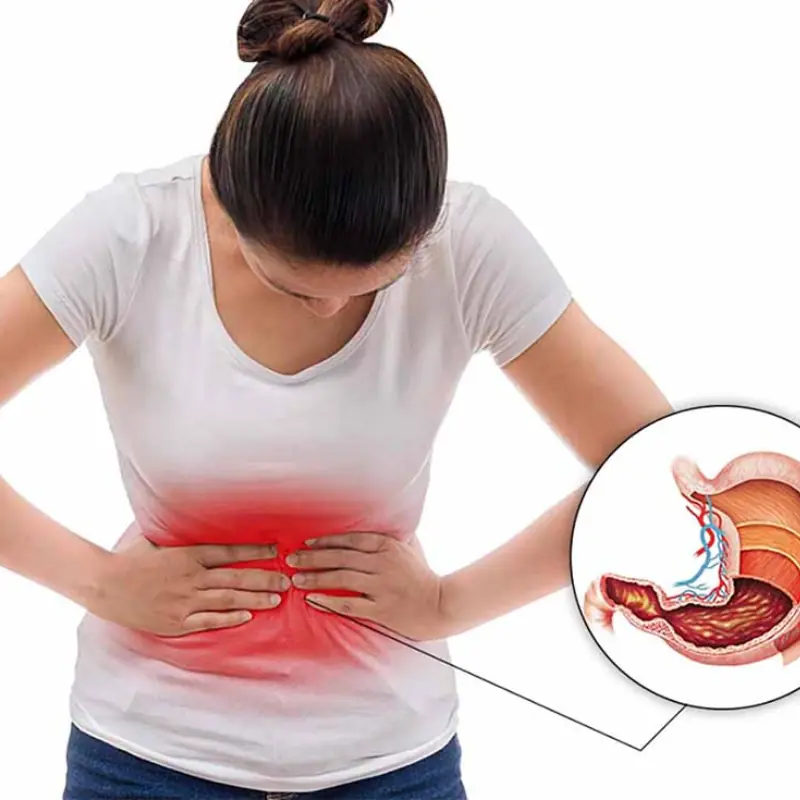
1. Persistent or Intensifying Upper Abdominal Pain
Mild stomach discomfort may come and go, but ongoing or worsening pain in the upper abdomen (especially burning or gnawing pain) can indicate inflammation, ulcer formation, or irritation from acid. If the pain becomes sharp, constant, or wakes you at night, it’s not something to brush off.
2. Frequent Heartburn or Acid Reflux That Won’t Improve
Occasional heartburn is common. But when you feel burning in your chest or throat several times a week—especially after meals or lying down—it may suggest chronic GERD. Long-term reflux can damage the lining of the esophagus and increase risk of complications like esophagitis or Barrett’s esophagus.
3. Unexplained Weight Loss
One of the most concerning warning signs is losing weight without trying. When stomach disease becomes severe, eating may trigger pain, nausea, or discomfort, causing reduced appetite. In other cases, weight loss can signal a more serious underlying issue that requires prompt evaluation.
4. Ongoing Nausea or Repeated Vomiting
Nausea that lasts for days—or vomiting that keeps returning—can point to ulcers, severe gastritis, infections, gallbladder issues, or blockages. If vomiting becomes frequent or intense, your body may be struggling with something beyond mild indigestion.
5. Blood in Vomit or Dark “Coffee-Ground” Vomit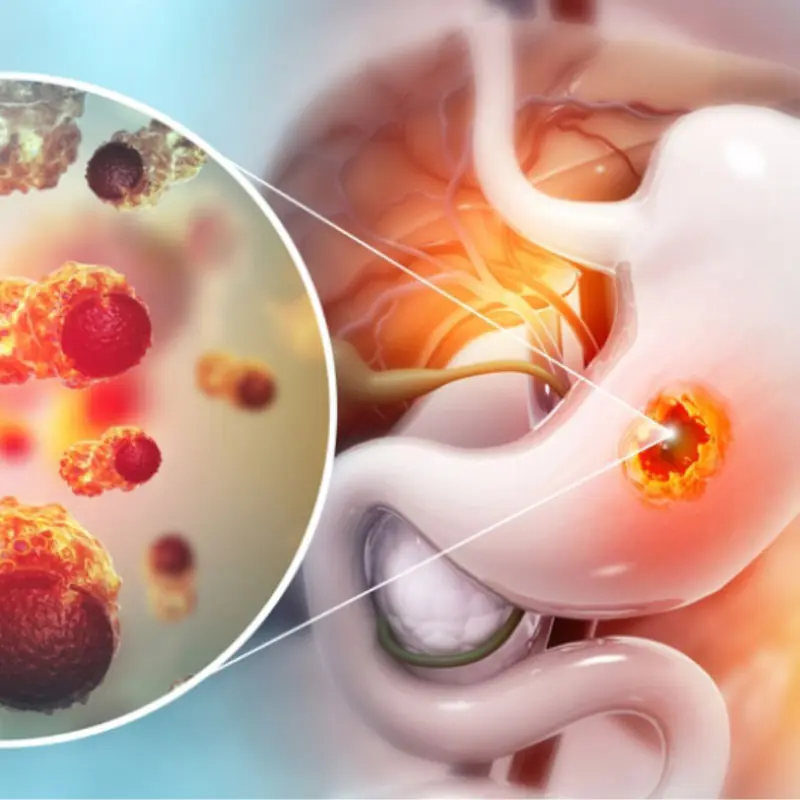
This is an emergency sign. Vomiting blood or vomit that looks like dark coffee grounds may indicate internal bleeding, often linked to ulcers or severe irritation in the stomach lining. Even small amounts should be taken seriously, especially in older adults.
6. Black or Tarry Stool
If your stool looks black, sticky, or tar-like, it may be a sign of digested blood from bleeding higher in the digestive tract, such as the stomach or upper intestine. This symptom often appears when ulcers or inflammation cause slow bleeding over time.
7. Persistent Bloating, Fullness, or Feeling Full Quickly
Many people feel bloated occasionally, but if you repeatedly experience early satiety (feeling full after just a few bites), it could indicate poor stomach emptying, inflammation, ulcers, or other digestive disorders. Persistent bloating should be evaluated—especially if it comes with weight loss or fatigue.
8. Fatigue, Weakness, or Signs of Anemia
Severe stomach disease can cause slow blood loss, poor nutrient absorption, and chronic inflammation. That can lead to iron-deficiency anemia, making you feel exhausted, dizzy, short of breath, or unusually weak. If fatigue doesn’t improve with rest, it may be linked to internal issues.
Why These Symptoms Matter
Stomach conditions don’t always stay stable. A mild problem can become severe due to:
-
untreated H. pylori infection
-
long-term use of painkillers like NSAIDs
-
chronic stress, alcohol, smoking
-
poor diet and irregular eating patterns
When damage progresses, complications may include ulcers, bleeding, narrowing of the digestive tract, or serious inflammation.
When to Seek Medical Help Immediately
Seek urgent medical care if you have:
-
vomiting blood
-
black stool
-
severe abdominal pain
-
fainting or extreme weakness
-
rapid, unexplained weight loss
Protecting Your Stomach: Simple Prevention Tips
While medical advice depends on the cause, these habits often help reduce risk:
-
Eat smaller meals, avoid late-night heavy eating
-
Limit spicy foods, alcohol, and caffeine if they trigger symptoms
-
Avoid smoking
-
Don’t overuse painkillers
-
Get tested for H. pylori if symptoms persist
Final Takeaway
Stomach symptoms are easy to ignore—until they become serious. If you notice any of the warning signs above, especially bleeding, weight loss, or persistent pain, don’t self-treat for too long. Early diagnosis is your best protection.