The “Useless Weed” You Keep Pulling Out Is Actually a Superfood — In Japan It’s Called a Longevity Vegetable, Yet Most People Still Throw It Away
You’ve probably stepped on it, yanked it out of your garden, and treated it as nothing more than a pesky weed. But the plant known locally as rau sam — or purslane (Portulaca oleracea) — is far from useless. In fact, in many parts of the world, including Japan where it’s prized as a longevity food, it’s recognized as one of nature’s most nutrient-dense greens. Yet countless people still pull it up and throw it away without a second thought. 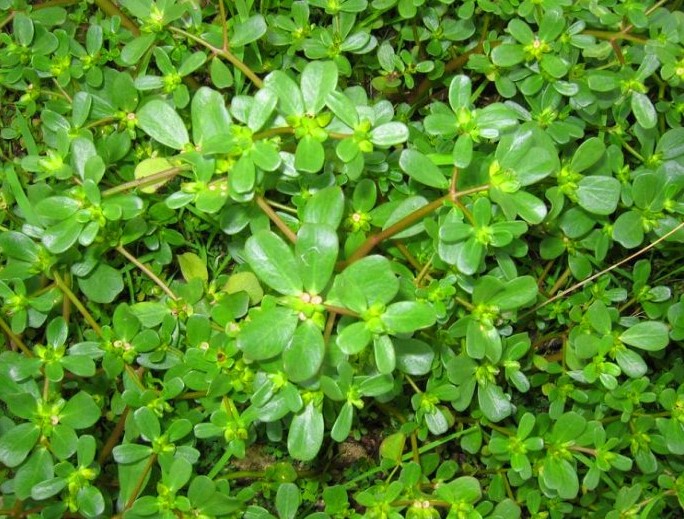
A Weed With a Hidden Superfood Profile
At first glance, purslane looks like an ordinary weed: low to the ground, fleshly leaves, and a habit of popping up in cracks and lawns. That humble appearance hides a nutritional powerhouse. Purslane contains exceptionally high levels of omega-3 fatty acids rarely found in leafy greens, as well as vitamins A and C, magnesium, potassium, iron, and calcium — all in a plant that has only 16 calories per 100 grams.
Even mainstream health researchers describe purslane as rich in antioxidants and beneficial plant compounds that help protect cells from oxidative damage — a major factor in aging and chronic disease.
Why Japan Treats It Like a Longevity Veggie
In Japan, where diet and longevity are closely studied, purslane is not a weed but a valued vegetable included in traditional dishes and health-focused cooking. Its omega-3 content, antioxidant capacity, and wide array of minerals align perfectly with dietary patterns associated with longer, healthier lives. While formal scientific reviews of purslane’s effects on longevity are still emerging, the logic is compelling — diets high in plant-based omega-3s and antioxidants are linked to reduced risk of heart disease, diabetes, and age-related cognitive decline.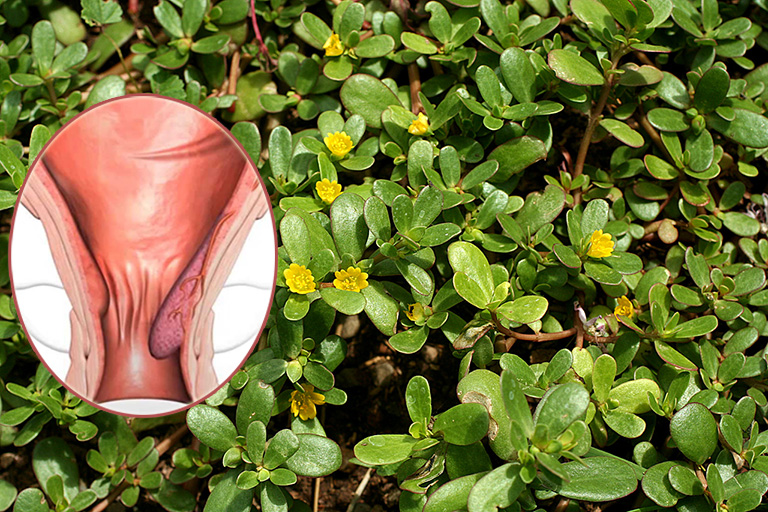
The Benefits Are More Than Just Hype
Research and nutritional analysis reveal several promising health effects:
-
Heart health: Omega-3 fatty acids and potassium help regulate blood pressure and support healthy cardiovascular function.
-
Antioxidant power: Beta-carotene, vitamin C, and flavonoids help neutralize free radicals, protecting cells and tissues.
-
Digestive support: Dietary fiber aids digestion and may reduce inflammation.
-
Metabolic regulation: Some compounds in purslane have been linked to improved insulin sensitivity in early studies.
All of this comes from a plant most people yank out as a weed without hesitation. Even some gardeners in the U.S. now report discovering purslane in their yards and being shocked to learn it’s edible and nutrient-rich — after having pulled it out repeatedly for years. 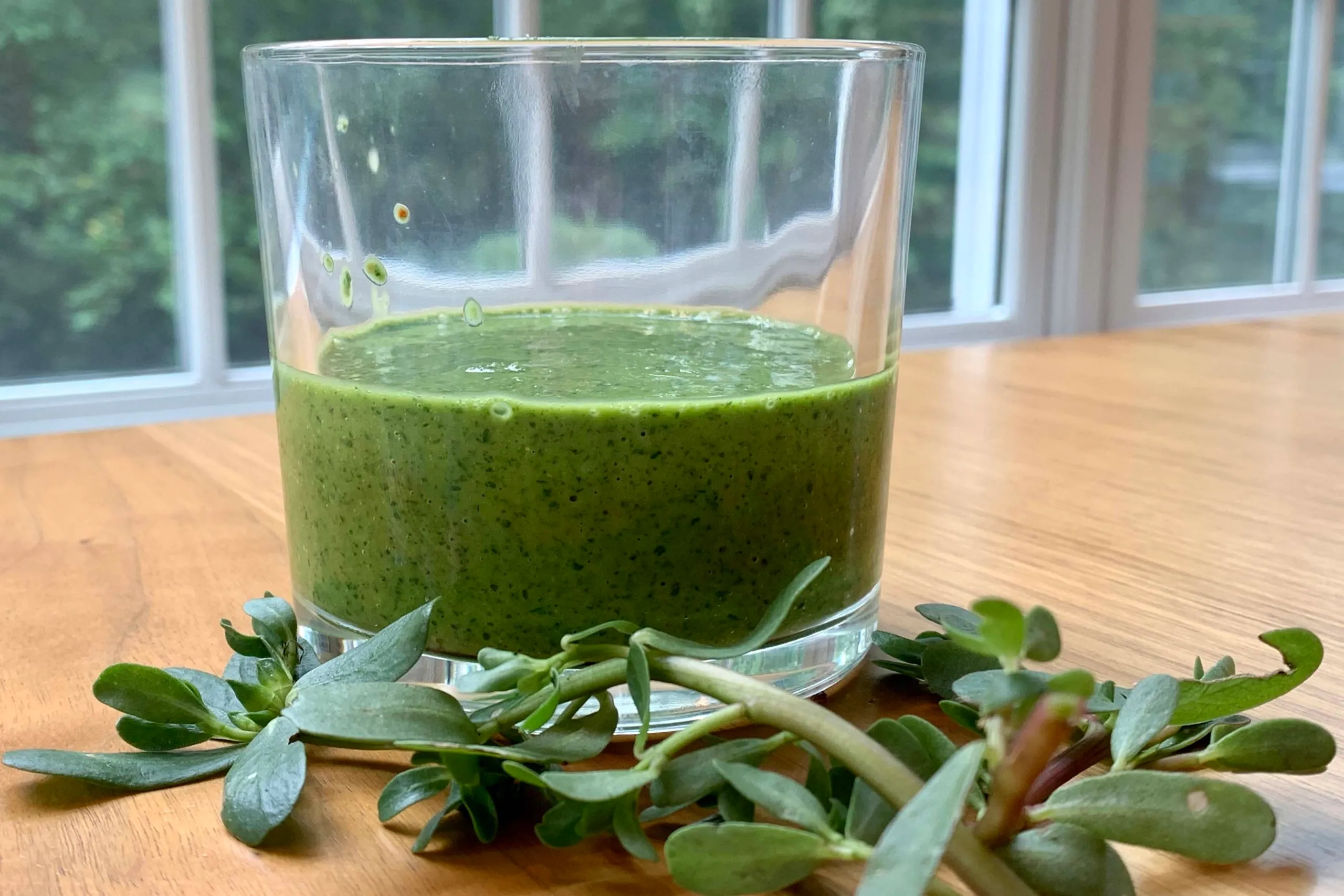
Why Most People Still Throw It Away
Despite its clear benefits and thousands of years of use in traditional medicine and cuisine, purslane remains largely overlooked. Its weedy nature and tendency to pop up uninvited in gardens lead people to dismiss it as worthless or invasive. Unlike lettuce, spinach, or kale — officially cultivated and marketed vegetables — purslane just hasn’t been “sold” as a product, so it stays outside the mainstream view of healthy eating.
Part of the problem also lies in a lack of familiarity. Not everyone knows how to identify purslane correctly, and in some cases, plants that look similar but are toxic (such as certain spurges) can create confusion.
How to Eat It
Purslane can be eaten raw in salads, cooked like spinach, or added to soups and stir-fries. Its slightly tangy, salty flavor enhances dishes much like other leafy greens — but with the added bonus of omega-3 fats rarely found in land plants.
The Real Crime: Wasting Great Nutrition
We spend money on “superfoods” shipped from distant lands, often paying premium prices for kale, chia, or flax seeds. Meanwhile, an abundant, free source of similar — and in some ways superior — nutrition grows right underfoot. That’s why nutrition experts worldwide are turning attention to edible weeds like purslane: they’re not only nutrient-dense, but resilient, sustainable, and free.
Next time you see a patch of those smooth, succulent leaves creeping across the ground, think twice before you pull them up. What you’re about to pull out might just be one of the most nutritious, longevity-boosting foods you’ve been ignoring all along.