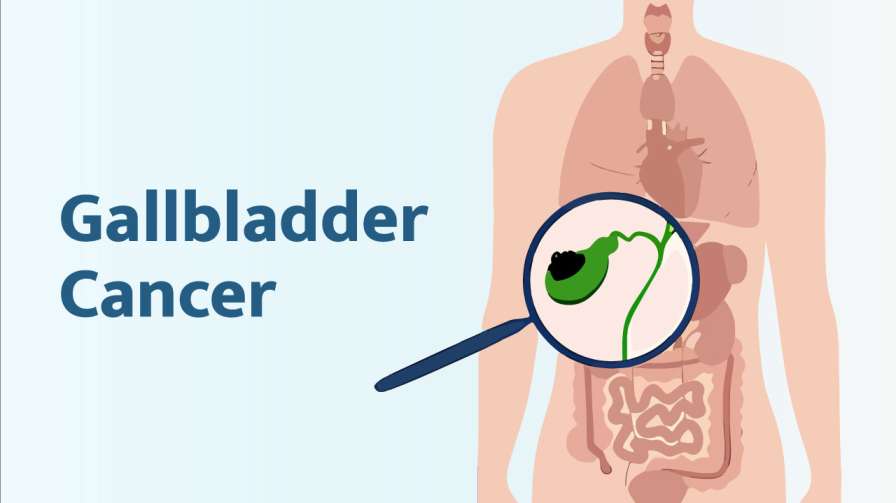
6 Silent Symptoms That May Warn of Gallbladder Cancer — What to Know Early
Gallbladder cancer is rare, but it is also one of the most difficult cancers to detect early. The gallbladder is a small organ tucked deep beneath the liver, and problems there often remain unnoticed until the disease has progressed. For this reason, gallbladder cancer is sometimes called a “silent cancer.”
It is important to state clearly from the beginning:
These symptoms do not diagnose gallbladder cancer.
However, doctors recognize that certain subtle, persistent changes may appear before a diagnosis is made. Understanding them can help people seek medical evaluation sooner.
Why Gallbladder Cancer Is Often Missed
The gallbladder’s role is to store bile for digestion. When cancer develops there, it often:
-
Grows quietly
-
Causes vague symptoms
-
Mimics common digestive problems
Many early signs overlap with gallstones, indigestion, or liver issues. This overlap is why awareness—not fear—is essential.
1. Persistent Upper Right Abdominal Discomfort
One of the earliest and most overlooked symptoms is a dull, persistent discomfort in the upper right side of the abdomen.
This pain:
-
May come and go
-
Is often mild at first
-
May feel like pressure or fullness rather than sharp pain
Because it is subtle, many people dismiss it as gas or muscle strain.
2. Unexplained Bloating or Indigestion
Ongoing bloating, nausea, or a feeling of fullness after small meals can signal that bile flow is disrupted.
This may appear as:
-
Frequent indigestion
-
Loss of appetite
-
Nausea without vomiting
Digestive symptoms are common in many conditions, but persistence over weeks or months should not be ignored.
3. Unintended Weight Loss
Unexplained weight loss—especially without changes in diet or activity—is a warning sign doctors take seriously.
Weight loss may occur due to:
-
Reduced appetite
-
Changes in digestion
-
Increased metabolic stress in the body
While weight loss alone does not mean cancer, unintentional and ongoing loss requires evaluation.
4. Fatigue That Does Not Improve With Rest
Chronic fatigue is one of the most common yet least specific warning signs in many serious illnesses.
This fatigue may feel:
-
Deep and persistent
-
Out of proportion to activity
-
Unrelieved by sleep
In gallbladder cancer, fatigue can result from inflammation, bile disruption, or metabolic changes.
5. Changes in Skin or Eye Color (Jaundice)
When bile flow is blocked, bilirubin can build up in the blood, leading to yellowing of the skin or eyes, known as jaundice.
This may be accompanied by:
-
Dark urine
-
Pale or clay-colored stools
-
Itching
Jaundice is always a medical red flag, regardless of the cause.
6. Gallstones With New or Worsening Symptoms
Gallstones themselves are common and usually benign. However, gallbladder cancer is more frequently found in people with long-standing gallstones, especially if symptoms suddenly change.
Warning signs include:
-
Gallstone pain becoming more frequent
-
New digestive symptoms
-
Pain that no longer follows a familiar pattern
Any change in known gallbladder conditions should prompt medical review.
What These Symptoms Do — and Do Not — Mean
It is essential to interpret these signs correctly.
They do NOT mean:
-
Cancer is present
-
Cancer is inevitable
-
Immediate panic is necessary
They DO mean:
-
The gallbladder or nearby organs may be under stress
-
Medical evaluation is appropriate
-
Imaging or blood tests may be needed
Doctors diagnose gallbladder cancer using