She Complained of a Headache, Fell Asleep—and Never Woke Up: Three Types of Headaches That Require Immediate Medical Attention
Headaches are among the most common health complaints worldwide. For most people, they are associated with stress, lack of sleep, dehydration, or prolonged screen time—and they usually resolve with rest or simple painkillers. However, in rare but devastating cases, a headache can be the first and only warning sign of a life-threatening condition.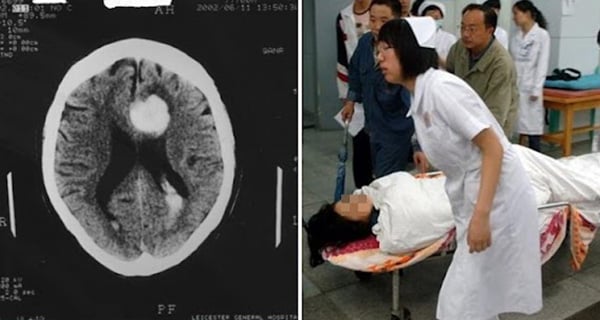
In a tragic incident that shocked many, a woman complained of a severe headache before going to sleep. Her husband assumed it was exhaustion or a migraine. By morning, she had stopped breathing. Doctors later concluded that the headache was a symptom of a catastrophic neurological event. Such cases, while uncommon, highlight a critical truth: not all headaches are harmless.
Medical experts emphasize that recognizing “red flag” headaches can mean the difference between life and death.
When a Headache Is a Medical Emergency
According to neurologists, dangerous headaches are often linked to conditions such as cerebral hemorrhage, stroke, meningitis, or brain tumors. These headaches differ from ordinary tension headaches or migraines in their onset, intensity, and accompanying symptoms.
Below are three types of headaches that require immediate hospital evaluation and should never be ignored.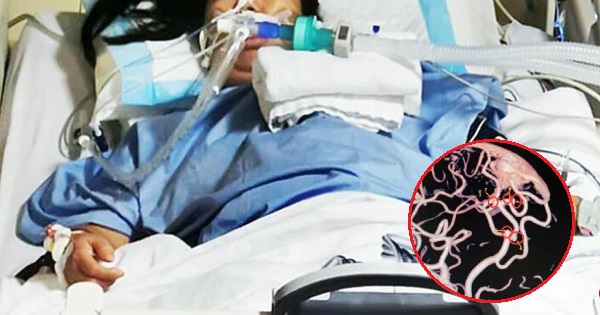
1. Sudden, Explosive Headache (“Thunderclap Headache”)
A thunderclap headache is described as a sudden, extremely severe headache that reaches peak intensity within seconds or minutes. Patients often describe it as “the worst headache of my life.”
This type of headache is a classic warning sign of subarachnoid hemorrhage, a form of bleeding in the brain most commonly caused by a ruptured aneurysm. Studies published in neurological journals indicate that up to 50% of patients with subarachnoid hemorrhage report a thunderclap headache as the first symptom.
Additional warning signs may include:
-
Nausea or vomiting
-
Neck stiffness
-
Sensitivity to light
-
Brief loss of consciousness
Immediate brain imaging and emergency treatment are essential. Delaying care, even for a few hours, significantly increases the risk of death or permanent brain damage.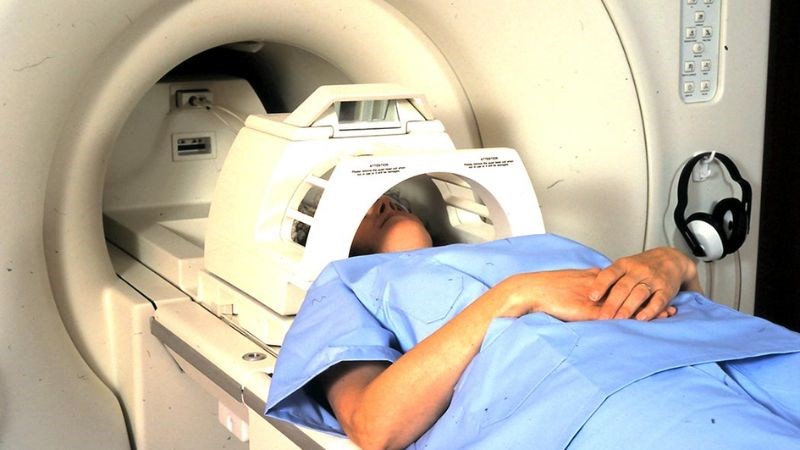
2. Headache Accompanied by Neurological Symptoms
Any headache that occurs alongside neurological abnormalities should be treated as an emergency. These symptoms may include:
-
Slurred speech
-
Weakness or numbness on one side of the body
-
Vision loss or double vision
-
Confusion or difficulty understanding speech
-
Seizures
Such combinations strongly suggest stroke, brain hemorrhage, or acute brain swelling. Research from the World Stroke Organization shows that early intervention within the first “golden hours” dramatically improves survival and recovery outcomes.
Importantly, some patients—especially women and older adults—may not experience classic stroke symptoms. A headache combined with subtle confusion or unusual drowsiness can be the only early clue.
3. Headache That Worsens Rapidly or Occurs During Sleep
A headache that progressively worsens over hours or days, or one that awakens a person from sleep, is another red flag. This pattern may indicate increased intracranial pressure caused by:
-
Brain tumors
-
Brain infections such as meningitis or encephalitis
-
Internal bleeding
Doctors warn that headaches associated with increased intracranial pressure often worsen when lying down and may be accompanied by persistent vomiting, blurred vision, or extreme fatigue.
Infections of the central nervous system can progress rapidly. A delay in diagnosis may allow inflammation to spread, leading to respiratory failure or sudden death during sleep.
Why These Headaches Are Often Missed
One of the most dangerous aspects of severe headache conditions is that patients may appear relatively normal after the pain subsides. Pain relief does not necessarily mean the underlying cause has resolved. In some cases, temporary improvement occurs just before a critical deterioration.
Family members may unintentionally underestimate the seriousness, assuming the person “just needs rest.” Unfortunately, sleep can mask worsening brain injury.
A Simple Rule That Saves Lives
Neurologists recommend seeking emergency care immediately if a headache:
-
Is sudden and unusually severe
-
Is different from previous headaches
-
Is accompanied by neurological symptoms
-
Occurs with fever, stiff neck, or altered consciousness
-
Wakes someone from sleep or worsens rapidly
Headaches are common—but fatal headaches are often silent killers. Trusting intuition and acting quickly can prevent irreversible tragedy.
Shock-Style Headline Options
-
She Said Her Head Hurt, Then Went to Sleep—By Morning, She Was Gone
-
A Headache That Kills: Three Warning Signs Doctors Beg You Not to Ignore
-
Not All Headaches Are Harmless: One Night, One Symptom, One Fatal Outcome
-
Doctors Warn: These 3 Types of Headaches Can Turn Deadly Overnight
-
He Thought It Was Just a Headache—It Was the Last Sign of a Silent Killer
If you want, I can also:
-
Rewrite this in a more viral social-media style
-
Shorten it for Facebook/Instagram captions
-
Add medical references at the end for publication use