Sweet potatoes have long been celebrated as one of the healthiest root vegetables in the world. Their naturally sweet flavor, vibrant colors, and impressive nutritional profile have made them a favorite in many cuisines. Whether baked, roasted, mashed, steamed, or added to soups and salads, sweet potatoes are both versatile and satisfying.
They are often praised as a "superfood," but does that mean you should eat them every day?
Not necessarily.
Like most foods, sweet potatoes offer many health benefits when enjoyed as part of a balanced diet, but there are also a few important considerations that are often overlooked.
Here are 9 essential facts to help you make informed choices before adding sweet potatoes to your regular meal plan.
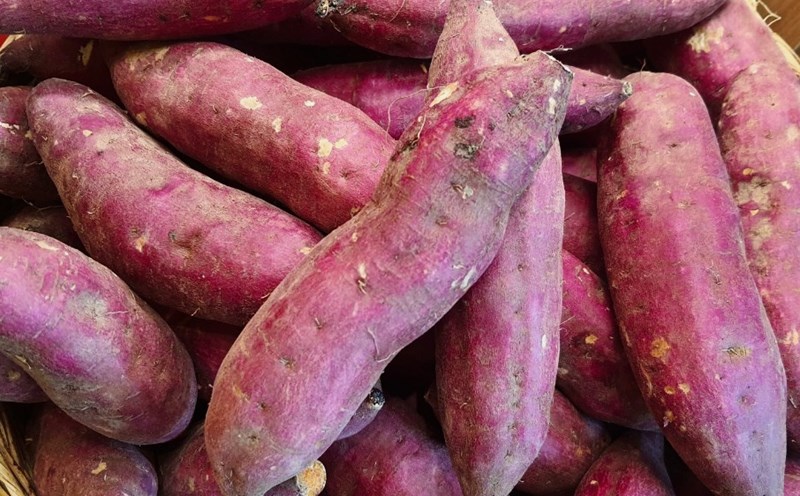
1. Sweet Potatoes Are Packed With Nutrients
One of the biggest reasons nutrition experts recommend sweet potatoes is their impressive nutrient content.
They provide:
-
Dietary fiber
-
Vitamin A (from beta-carotene)
-
Vitamin C
-
Potassium
-
Vitamin B6
-
Manganese
-
Copper
Orange-fleshed sweet potatoes are especially rich in beta-carotene, a plant pigment that the body converts into vitamin A.
Vitamin A supports:
-
Healthy vision
-
Immune function
-
Skin health
-
Normal cell growth
Because vitamin A is fat-soluble, eating sweet potatoes with a small amount of healthy fat—such as olive oil, avocado, or nuts—may improve absorption.
2. They're an Excellent Source of Fiber
Fiber is essential for digestive health.
A medium sweet potato contains several grams of dietary fiber, which can help:
-
Promote regular bowel movements
-
Support a healthy gut microbiome
-
Increase feelings of fullness
-
Support healthy cholesterol levels
Most people do not consume enough fiber each day, making fiber-rich foods like sweet potatoes a valuable addition to many diets.
Whenever possible, eat the skin as well, since it contains additional fiber and nutrients.
3. Sweet Potatoes Can Fit Into a Diabetes-Friendly Diet
Many people mistakenly believe that people with diabetes should completely avoid sweet potatoes because they taste sweet.
In reality, sweet potatoes can fit into an individualized diabetes meal plan.
They contain carbohydrates, so portion size still matters, but they also provide fiber, which may help slow digestion.
How they're prepared also makes a difference.
For example:
-
Boiled sweet potatoes generally have a lower glycemic impact than some other cooking methods.
-
Large portions or sweet potato dishes loaded with sugar, marshmallows, or syrup can significantly increase sugar intake.
People with diabetes should focus on the overall balance of the meal, not just one ingredient.
4. The Cooking Method Changes Their Nutrition
The way you cook sweet potatoes can influence both their texture and nutritional characteristics.
Common methods include:
Steaming
Helps retain many nutrients while keeping the texture soft.
Baking
Enhances natural sweetness and creates a creamy interior.
Roasting
Produces a caramelized flavor with a crisp exterior.
Boiling
May reduce some water-soluble vitamins but can influence how the starch is digested.
Deep-frying, on the other hand, adds extra fat and calories and is generally less nutritious than baking or steaming.

5. Sweet Potatoes Are Rich in Antioxidants
Different-colored sweet potatoes contain different beneficial plant compounds.
Orange Sweet Potatoes
Rich in beta-carotene.
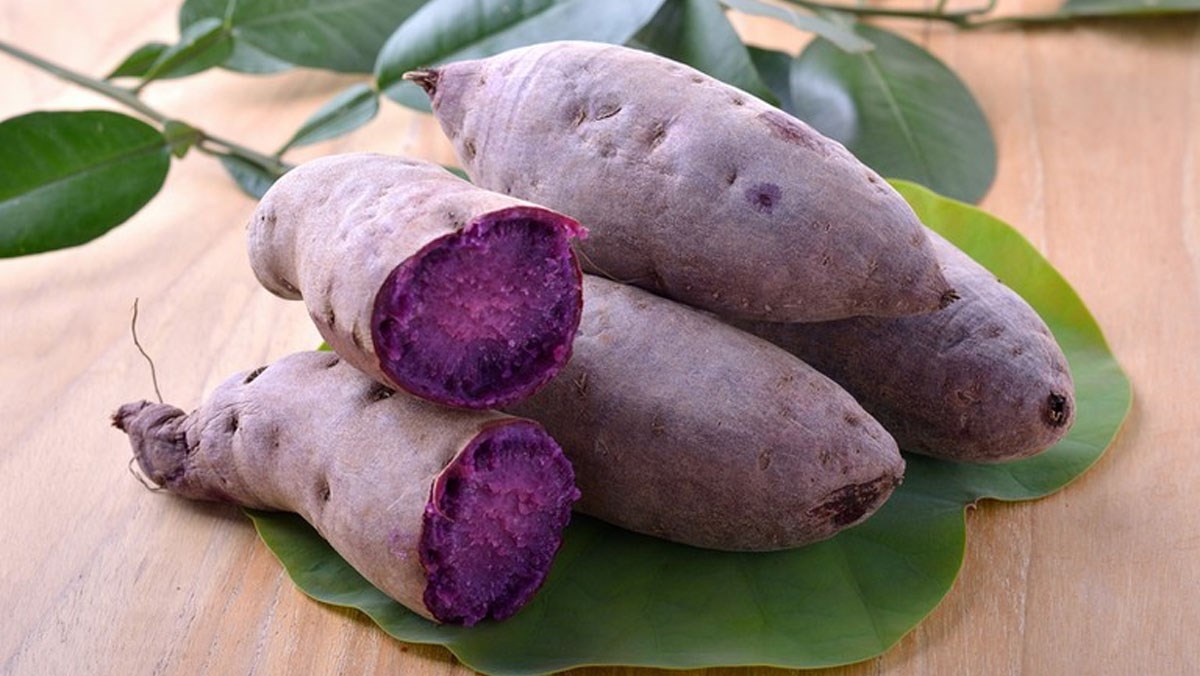
Purple Sweet Potatoes
Contain anthocyanins, the same antioxidant pigments found in blueberries and blackberries.
Researchers continue studying these compounds for their potential role in supporting overall health by helping protect cells from oxidative stress.
While antioxidants are beneficial, no single food can prevent chronic diseases on its own.
6. Portion Size Still Matters
Even nutritious foods should be eaten in appropriate portions.
Sweet potatoes contain complex carbohydrates that provide energy, but eating very large amounts may contribute more calories than your body needs.
A balanced meal might include:
-
A moderate serving of sweet potato
-
Lean protein such as chicken, fish, tofu, or beans
-
Plenty of non-starchy vegetables
-
A source of healthy fat
This combination provides a more complete nutritional profile than eating sweet potatoes alone.
7. Some People Should Be Mindful of Potassium Intake
Sweet potatoes are naturally high in potassium.
For most healthy people, this is a benefit because potassium helps support:
-
Normal muscle function
-
Healthy blood pressure
-
Nerve signaling
-
Fluid balance
However, individuals with advanced kidney disease may need to monitor potassium intake because damaged kidneys may have difficulty removing excess potassium from the body.
If you have chronic kidney disease, follow the dietary guidance provided by your healthcare team rather than making changes on your own.
8. Sweet Potatoes Are Different From Yams
Although the names are often used interchangeably, sweet potatoes and yams are different plants.
Sweet Potatoes
-
Smooth skin
-
Orange, white, or purple flesh
-
Naturally sweet
-
Soft texture when cooked
True Yams
-
Rough, bark-like skin
-
Drier texture
-
Less sweet
-
More commonly grown in parts of Africa, Asia, and the Caribbean
In many supermarkets, products labeled as "yams" are actually varieties of sweet potatoes.
9. They Work Best as Part of an Overall Healthy Diet
No single food determines your health.
The greatest benefits come from your overall eating pattern.
Pair sweet potatoes with foods such as:
-
Leafy greens
-
Colorful vegetables
-
Whole grains
-
Beans
-
Lentils
-
Fish
-
Lean poultry
-
Eggs
-
Nuts and seeds
This variety helps ensure you receive a wide range of vitamins, minerals, protein, healthy fats, and fiber.
How to Choose the Best Sweet Potatoes
When shopping, look for sweet potatoes that are:
-
Firm
-
Smooth
-
Free from deep cuts or bruises
-
Without soft spots
-
Not showing signs of mold
Smaller and medium-sized sweet potatoes often cook more evenly than very large ones.
How to Store Them Properly
Store sweet potatoes in:
-
A cool, dry, well-ventilated place
-
Away from direct sunlight
-
Not in the refrigerator
Refrigeration may alter their texture and flavor.
Properly stored sweet potatoes can often last several weeks.
Healthy Ways to Enjoy Sweet Potatoes
There are countless delicious ways to include them in your meals.
Try:
-
Baked sweet potatoes with Greek yogurt and herbs
-
Roasted sweet potato wedges
-
Mashed sweet potatoes with olive oil
-
Sweet potato and vegetable soup
-
Sweet potato added to salads
-
Cubed sweet potatoes in grain bowls
-
Steamed sweet potatoes as a snack
Using herbs and spices instead of sugary toppings helps keep the meal balanced.
Common Myths About Sweet Potatoes
Myth: Sweet potatoes are unhealthy because they're sweet.
Not true.
Their sweetness comes from naturally occurring carbohydrates, and they provide valuable nutrients and fiber.
Myth: Sweet potatoes are much healthier than regular potatoes.
Both sweet potatoes and white potatoes can be nutritious.
They offer different nutrient profiles and can each fit into a healthy diet.
Myth: Eating sweet potatoes causes rapid weight gain.
Weight gain results from consistently consuming more calories than your body uses—not from one specific food.
Moderate portions of sweet potatoes can absolutely be part of a weight-management plan.
Myth: Sweet potatoes "burn fat."
There is no evidence that sweet potatoes directly burn body fat.
Their fiber content may help increase fullness, which can support healthy eating habits, but they are not a weight-loss miracle food.
Who May Need to Be Cautious?
Although sweet potatoes are healthy for most people, some individuals should speak with a healthcare professional before eating them regularly.
Examples include:
-
People with advanced kidney disease who need to limit potassium.
-
Individuals with certain digestive conditions who may need temporary dietary adjustments.
-
People following specialized medical diets.
For most healthy adults, however, sweet potatoes can be enjoyed safely as part of a varied eating pattern.
The Bottom Line
Sweet potatoes are among the most nutritious vegetables you can include in your diet. They provide fiber, vitamins, minerals, and antioxidant compounds that support overall health.
At the same time, it's important to remember that portion size, cooking method, and the rest of your meal all influence their nutritional impact. Sweet potatoes are not a miracle food, but they are an excellent choice when paired with lean proteins, vegetables, and healthy fats.
Rather than focusing on one "perfect" food, aim for a colorful, balanced diet filled with a variety of whole foods. Sweet potatoes can certainly be one delicious and nutritious part of that bigger picture.