A Month Before a Heart Attack, Your Feet May Show These 6 Warning Signs — Symptoms Men and Women Should Never Ignore
What if your body started showing signs of a heart problem long before you experienced chest pain? What if something as ordinary as swollen feet, unusually cold toes, or a change in the color of your skin was connected to your cardiovascular health?
Most people associate a heart attack with sudden chest pressure, difficulty breathing, sweating, or pain spreading into the arm. These symptoms are important, but cardiovascular problems can sometimes produce less familiar signs elsewhere in the body.
The feet are particularly interesting because they are located far from the heart and depend on an extensive network of blood vessels to receive oxygen-rich blood. When circulation is impaired, changes in the feet and lower legs may become noticeable. Swelling, temperature differences, skin discoloration, and wounds that heal slowly can sometimes indicate an underlying circulatory or cardiovascular condition.
However, there is an important distinction that every reader should understand: there is no scientifically established six-sign checklist that can predict a heart attack exactly one month before it happens. Foot symptoms are not a reliable countdown to a heart attack, and many have causes unrelated to the heart.
What they can do is provide clues that deserve attention, particularly when they are new, persistent, unexplained, or accompanied by other symptoms.
Some changes may point toward peripheral artery disease, a condition involving narrowed arteries that reduce blood flow to the limbs. Others may be associated with heart failure, diabetes, kidney disease, or problems affecting the veins.
Understanding these differences is essential because ignoring a persistent change in the feet could mean overlooking an underlying health problem.
Below are six foot-related warning signs worth recognizing, why they occur, what they may indicate, and when they require medical attention. The most important details are not simply what the feet look like, but what those changes may reveal about the cardiovascular system as a whole.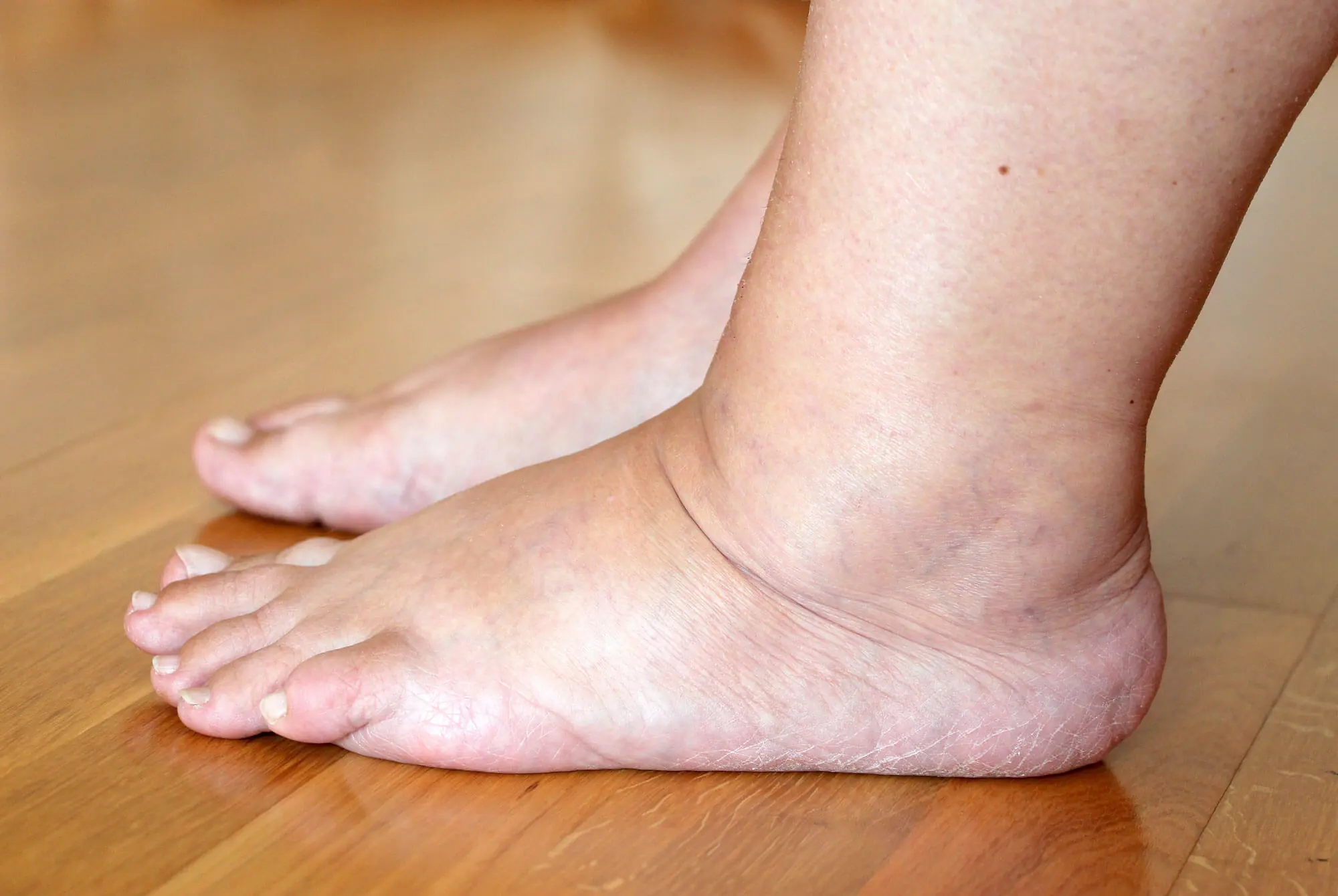
Six Changes in Your Feet That May Reveal an Underlying Cardiovascular Problem
The feet contain a network of small blood vessels, nerves, and tissues that depend on continuous circulation. When blood flow becomes restricted, the body may begin showing changes in the lower extremities.
Some of these changes develop gradually.
Others may appear more noticeably when a circulation problem becomes severe.
The six signs below are particularly worth understanding because several are recognized symptoms of peripheral artery disease (PAD), a condition associated with an increased risk of heart attack and stroke.
1. Your Feet Feel Unusually Cold, Even When the Weather Is Warm
Cold feet are common, particularly during colder months. Some people naturally have colder extremities than others, and temporary temperature changes are not necessarily a sign of disease.
However, persistent coldness, especially when one foot feels noticeably colder than the other, deserves attention.
The reason is that arteries carry oxygen-rich blood from the heart toward the legs and feet. When these arteries become narrowed, the amount of blood reaching the tissues can decrease.
One possible cause is peripheral artery disease.
PAD usually develops when fatty deposits, known as plaque, accumulate inside the walls of arteries. Over time, this buildup narrows the passage through which blood flows.
As the circulation becomes restricted, the lower extremities may receive less oxygen-rich blood.
The feet may consequently feel colder than usual.
Some people notice that their toes remain cold even when they wear warm socks or sit in a comfortable indoor environment.
Others experience a difference between their two feet.
For example, the left foot may feel reasonably warm while the right feels noticeably cooler.
That difference is particularly important when it is new or accompanied by numbness, pain, or a change in skin color.
Cold feet can also result from other conditions, including thyroid disorders, anemia, Raynaud's phenomenon, certain medications, and nerve problems.
Therefore, temperature alone cannot establish a diagnosis.
What matters is the overall pattern.
If persistent coldness occurs together with walking pain, slow-healing wounds, or changes in the appearance of the toes, a medical examination is advisable.
The National Heart, Lung, and Blood Institute identifies a foot that feels colder than the other as one possible symptom of PAD.
When it becomes an emergency: If one foot suddenly becomes extremely cold, pale, numb, or painful, seek emergency medical assistance immediately. This can indicate acute limb ischemia, a sudden reduction in blood supply that threatens the affected limb.
2. Your Toes or Feet Change Color
A change in the color of the feet is another sign that deserves attention.
Healthy skin color varies naturally between individuals and can change temporarily with temperature, pressure, or position.
However, persistent or unusual discoloration may indicate a problem involving circulation.
When blood flow to the lower extremities is reduced, the skin may appear unusually pale or bluish.
In some cases, the toes may develop a darker appearance.
People with lighter skin may notice obvious paleness, while individuals with darker skin may find that changes are more visible around the soles, nail beds, or other areas where the skin naturally has different pigmentation.
There is another possible pattern.
Some people with advanced arterial disease experience a reddish or purplish appearance when the foot is lowered.
The change can become more noticeable after the leg has been elevated.
This happens because the amount of blood reaching the skin is affected by the position of the limb and the severity of the circulation problem.
Color changes should always be considered alongside other symptoms.
A foot that becomes pale and cold while also developing pain or numbness is more concerning than a temporary color difference after exposure to cold weather.
Discoloration can also result from bruising, infection, skin disorders, venous problems, or other medical conditions.
A healthcare professional can assess the pattern and determine whether blood flow is impaired.
In people with PAD, changes in skin color may occur alongside weak pulses, reduced hair growth, and slow-healing sores.
What should you watch for?
-
Toes that repeatedly appear pale or bluish.
-
A foot that becomes noticeably darker than the other.
-
Red or purple discoloration that persists.
-
Color changes accompanied by unusual coldness.
-
Skin discoloration combined with pain or numbness.
A sudden change accompanied by severe pain, loss of sensation, or weakness requires immediate medical attention.
3. Your Feet or Legs Hurt When You Walk, but the Pain Improves When You Rest
This is one of the most recognizable symptoms of peripheral artery disease.
Some people initially notice discomfort only after walking a certain distance.
They may experience cramping in the calves, aching around the ankles, heaviness in the legs, or discomfort extending toward the feet.