The appropriate tests depend on the person's symptoms and medical history.
What Men and Women Can Do to Protect Their Heart and Circulation
Recognizing possible warning signs is only one part of protecting cardiovascular health.
The next step is reducing the risk factors that contribute to artery disease.
Although some risk factors cannot be changed, many lifestyle habits can make a meaningful difference.
Walk Regularly and Stay Physically Active
Regular physical activity supports cardiovascular health.
Walking is particularly useful because it is accessible to many people and does not require specialized equipment.
For individuals with PAD, a supervised exercise program may help improve walking ability and symptoms.
However, people experiencing unexplained leg pain, foot ulcers, or severe circulation problems should seek medical advice before starting a demanding exercise routine.
The goal is to improve fitness safely rather than push through potentially serious symptoms.
Choose Foods That Support Cardiovascular Health
A balanced eating pattern can help manage several important cardiovascular risk factors.
Meals can include vegetables, fruits, whole grains, beans, nuts, and appropriate sources of protein.
Fish and other foods containing unsaturated fats can also be part of a heart-conscious eating pattern.
Reducing excessive salt intake may help people who have high blood pressure or fluid retention.
It is also beneficial to limit highly processed foods and excessive amounts of added sugar.
No single food can prevent a heart attack.
Long-term eating habits matter much more than occasional meals.
Monitor Blood Pressure and Cholesterol
High blood pressure and elevated cholesterol can remain unnoticed for years.
Regular health checks help identify these problems before complications develop.
People with diabetes, a family history of cardiovascular disease, or other risk factors may need more frequent monitoring.
If medication is prescribed, it should be taken according to the healthcare professional's instructions.
Patients should not stop cardiovascular medication simply because they feel better.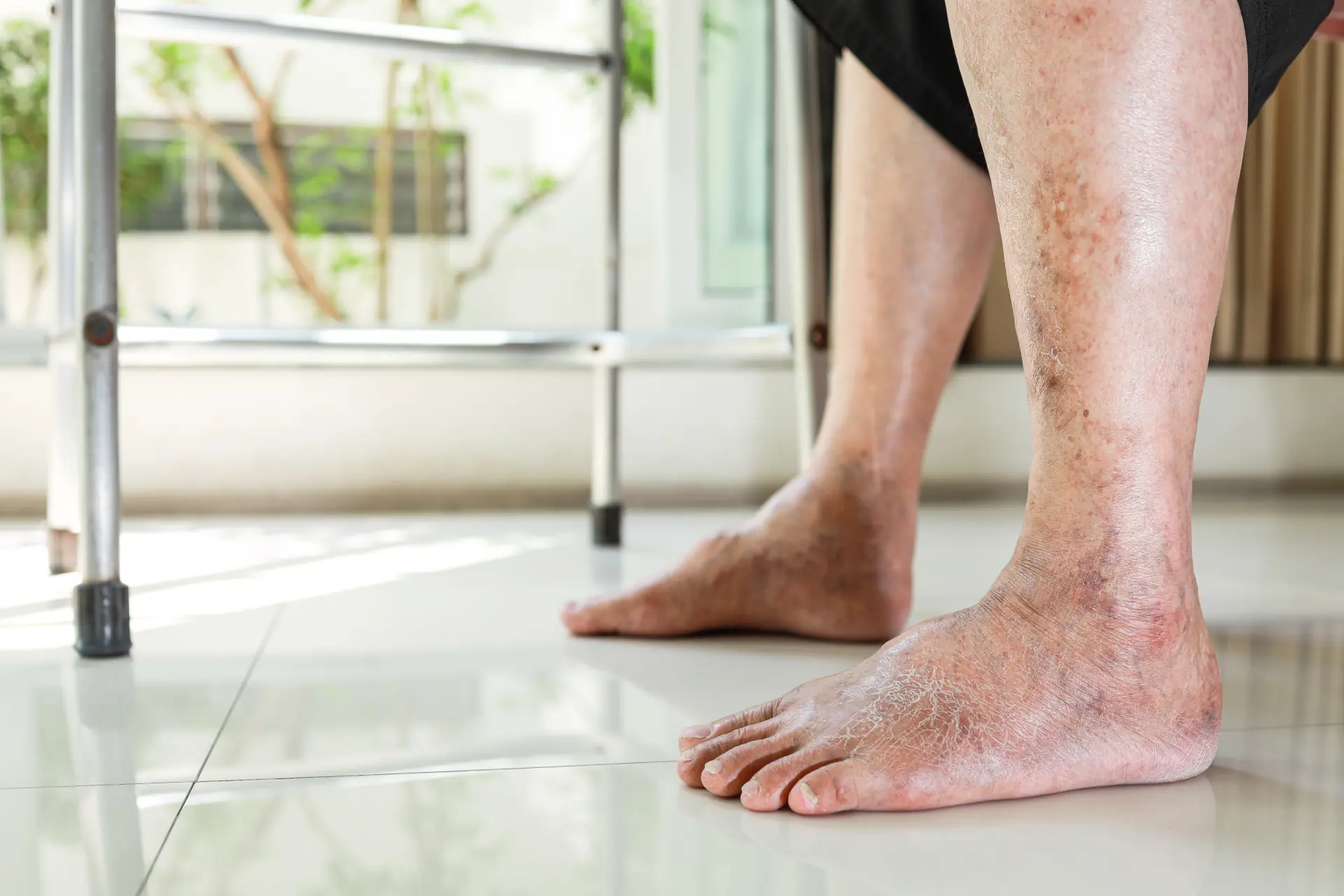
Stop Smoking
Smoking damages blood vessels and increases cardiovascular risk.
Quitting can improve health even after many years of tobacco use.
People who find it difficult to stop may benefit from professional support, counseling, or approved smoking-cessation treatments.
Avoiding secondhand smoke is also worthwhile.
Take Care of Your Feet Every Day
Foot care is particularly important for people with diabetes or known circulation problems.
A simple routine can include:
-
Checking the soles and between the toes.
-
Looking for cuts, blisters, or unusual discoloration.
-
Washing the feet gently.
-
Drying carefully between the toes.
-
Wearing properly fitting shoes.
-
Avoiding walking barefoot when there is a risk of injury.
-
Reporting persistent wounds to a healthcare professional.
People with reduced sensation should be especially careful because an injury may occur without causing immediate pain.
A small wound should not be ignored simply because it does not hurt.
When Foot Symptoms Mean You Need Emergency Medical Help
Not every unusual change in the feet is an emergency.
However, certain symptoms require immediate attention.
It is important to distinguish between signs that need a routine medical appointment and symptoms that could indicate a life-threatening condition.
Recognizing the Warning Signs of a Heart Attack
A heart attack does not always begin with dramatic chest pain.
Some people experience mild discomfort that develops gradually.
Others develop several symptoms at once.
The American Heart Association identifies the following common warning signs:
-
Pressure, squeezing, fullness, or pain in the chest.
-
Discomfort in one or both arms.
-
Pain or discomfort in the back, neck, jaw, or stomach.
-
Shortness of breath.
-
Cold sweating.
-
Nausea or vomiting.
-
Lightheadedness or unusual weakness.
Women may also experience symptoms such as unusual fatigue, nausea, and discomfort in the back or jaw.
Chest discomfort remains the most common heart attack symptom in both men and women, although the overall symptom pattern can vary.
If you or someone nearby develops symptoms suggesting a heart attack, call emergency services immediately.
Do not wait for foot symptoms to appear.
Do not wait to see whether the chest discomfort disappears.
And do not attempt to drive yourself to the hospital.
Emergency medical teams can begin assessment and treatment while arranging transport.
A Sudden Cold, Pale and Painful Foot
A different type of emergency involves a sudden loss of blood flow to a leg or foot.
This condition is called acute limb ischemia.
Possible warning signs include:
-
Sudden severe pain.
-
A foot that becomes unusually cold.
-
Pale or bluish skin.
-
Sudden numbness.
-
Weakness or difficulty moving the foot.
-
Loss of sensation.
This condition requires immediate medical treatment because prolonged loss of blood flow can permanently damage tissues.
The NHLBI specifically advises emergency attention when a foot suddenly becomes cold, pale, or numb.
Severe Breathlessness and Sudden Swelling
People with heart failure may develop increasing fluid retention.
If swelling occurs alongside worsening breathlessness, difficulty lying flat, or rapid unexplained weight gain, medical assessment is important.
Severe breathing difficulty, fainting, or blue or grey lips and skin requires emergency assistance.
The Six Signs Are Clues, Not a Prediction of the Exact Day a Heart Attack Will Happen
The message behind the supplied image is worth discussing, but it should be understood correctly.
Your feet can sometimes reveal changes associated with cardiovascular and circulatory health.
Unusually cold feet, color changes, pain during walking, slow-healing wounds, shiny skin, and unexplained swelling can all deserve attention.
However, these symptoms do not all have the same cause.
Some are associated with peripheral artery disease.
Others may be related to heart failure, venous problems, diabetes, or different medical conditions.
Most importantly, none of these six signs can reliably tell you that a heart attack will happen in exactly one month.
What makes them important is their potential to reveal an underlying problem before more serious complications develop.
A person who notices recurring symptoms should not simply assume they are part of aging.
Nor should they automatically conclude that a heart attack is imminent.
The best response is to arrange an appropriate medical assessment, particularly when several symptoms occur together or when the person has additional cardiovascular risk factors.
The heart and the feet may seem far apart, but they are connected through the same circulatory system.
Paying attention to changes in the lower extremities can therefore become an important part of looking after overall health.
Sometimes, the most useful warning sign is not a dramatic symptom.
It is a small change that keeps returning, a wound that refuses to heal, or a difference between the two feet that was not there before.
Your feet cannot predict the exact date of a heart attack, but they may reveal circulation problems that deserve attention. Listen to your body, recognize persistent changes, and never delay emergency care when genuine heart attack symptoms appear.