Communal changing rooms and showers are examples where sandals or protective footwear may be sensible.
Build Rest Into Long Activities
Long walks, sports days, and extended play sessions can place repeated pressure on the same areas of the foot.
Encourage children to take breaks, drink water, and tell an adult if their shoes begin to hurt.
A child should not be expected to continue running or playing through significant foot pain.
Teach Children to Speak Up Early
Some children hide discomfort because they do not want to stop playing.
Teach them that it is okay to tell a parent or teacher when a shoe rubs, a foot hurts, or something feels stuck in the skin.
An early complaint about a hot spot or sore patch may allow you to address the problem before a blister develops.
What Parents Should Avoid Doing
When a child has a dark, painful spot, the temptation to remove it can be strong. However, some common home treatments can make the problem worse.
Do not pop a closed blister. Opening it removes the protective skin and creates an opportunity for bacteria to enter.
Do not cut away the dark surface. The color may come from blood trapped beneath the skin. Cutting into it can cause bleeding and injury.
Do not dig for a suspected splinter. If an object is not clearly visible and superficial, using needles or blades can push it deeper or damage surrounding tissue.
Do not apply strong acids or wart-removal chemicals to an uncertain lesion. These products can burn healthy skin and are not appropriate for every type of growth.
Do not use household bleach, concentrated vinegar, or other harsh substances. These are not safe substitutes for medical treatment.
Do not squeeze an insect bite or suspected infection. Squeezing can damage the skin and may worsen inflammation.
Do not ignore a child who cannot walk. Significant pain or inability to bear weight deserves assessment.
Do not give leftover antibiotics. The wrong medication may be ineffective and can cause harm. A clinician should determine whether an antibiotic is needed.
Frequently Asked Questions About a Painful Spot on a Child's Foot
Is a dark spot on a child's foot always a blood blister?
No. A dark, raised spot may be a blood blister, but it can also be a bruise, wart, foreign object, insect-related lesion, or another skin condition.
The smooth, rounded appearance of a blood blister may provide a clue, but a photograph cannot confirm the cause. If the spot is painful, unexplained, changing, or affecting walking, have it assessed.
Can a blood blister appear overnight?
Yes. A blister can become noticeable quite suddenly after repeated rubbing, pressure, or a minor injury.
The child may not have noticed the early irritation. By the time the skin becomes raised and dark, the process may already have been developing for some time.
Why is the blister purple or black?
Blood trapped beneath the outer layer of skin can look red, purple, brown, or nearly black. The appearance depends on the amount of blood, its depth, and how long it has been present.
Dark color alone does not mean that the lesion is dangerous. However, a dark spot with no clear explanation should not automatically be assumed to be a blood blister.
Should I pop a blood blister to release the pressure?
Generally, no. A closed blister has a natural protective covering. Popping it can increase the risk of infection.
If it is large or extremely painful, a healthcare professional can decide whether drainage is appropriate. Do not attempt to perform the procedure at home.
How long does a blood blister take to heal?
A small, uncomplicated blood blister may improve over approximately one to two weeks. Larger lesions or blisters that continue to experience pressure may take longer.
The area should gradually become less tender and flatter. If it becomes more painful, develops pus, or shows spreading redness, seek medical advice.
Can my child still walk with a blood blister?
It depends on its size and location. A small blister may cause little discomfort, while one on the ball of the foot can hurt with every step.
Do not force a child to walk through significant pain. Reduce pressure, protect the area, and seek medical assessment if walking remains difficult.
Can a blood blister become infected?
Yes. Infection is more likely if the blister breaks, is repeatedly picked, or is exposed to dirt and bacteria.
Watch for increasing warmth, swelling, spreading redness, pus, worsening pain, or fever. These signs need medical attention.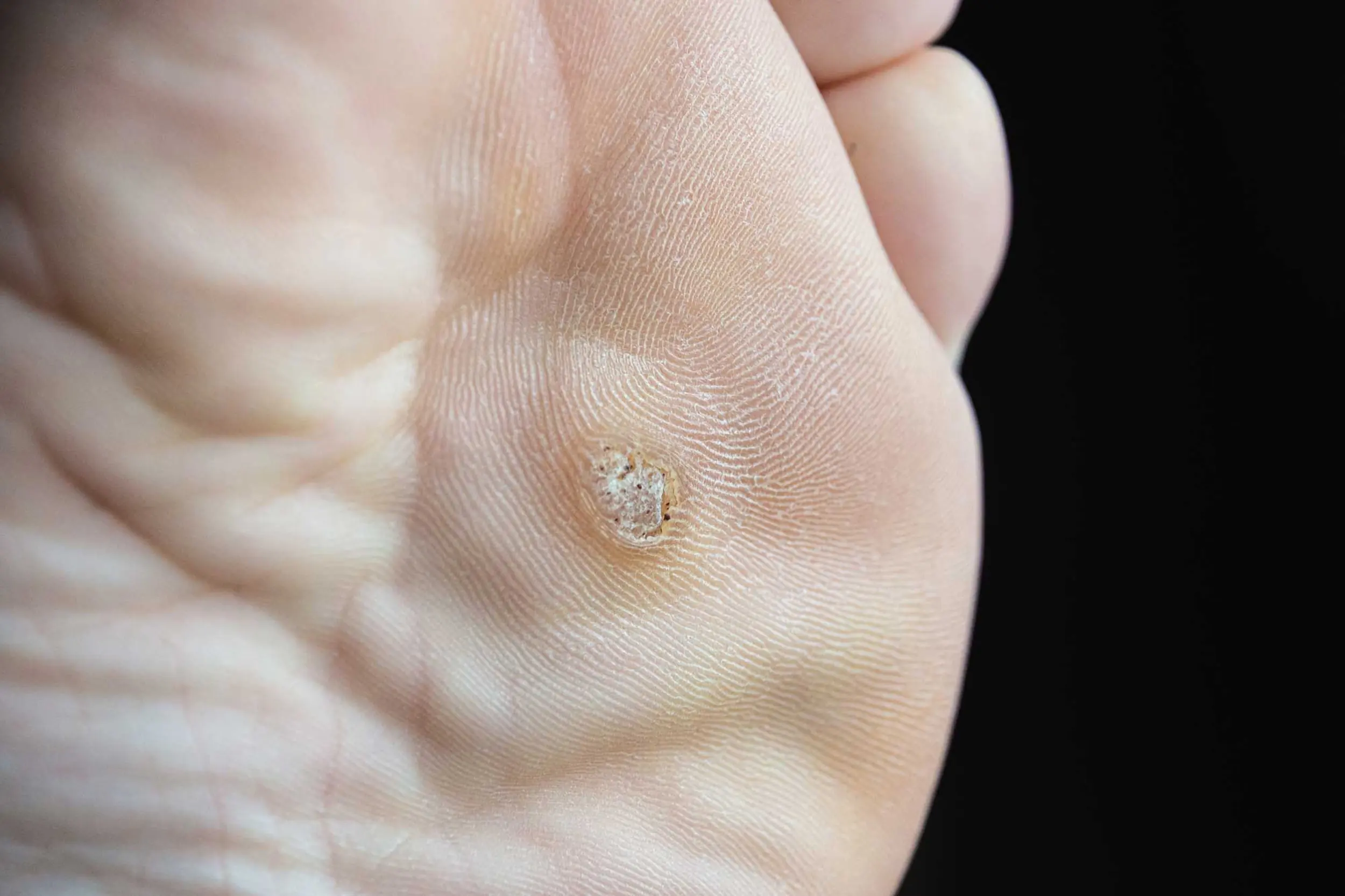
Could it be a plantar wart instead?
It is possible. Plantar warts can develop on the sole and cause discomfort when walking. They usually have a rough or thickened surface and may contain tiny dark dots.
A blood blister tends to look more like a smooth bubble filled with dark fluid. However, the two can be difficult to distinguish from a photograph, particularly when the skin is thick or irritated.
Can an insect bite cause a blister?
Yes. Some insect bites cause localized swelling and, in certain cases, small fluid-filled blisters.
Itching is often a prominent symptom, but the reaction varies from child to child. If the area becomes increasingly painful, hot, swollen, or infected-looking, contact a healthcare professional.
Should I take my child to the emergency department?
Seek emergency help if your child appears seriously ill, has difficulty breathing after a suspected bite or sting, is difficult to wake, or has other signs of a medical emergency.
A child with severe foot pain, inability to bear weight, spreading redness, fever with a worsening lesion, or a deeply embedded foreign object should receive prompt medical assessment.
Can a blister be covered with a normal bandage?
A clean, non-stick dressing can help protect an intact or recently opened blister. It should not be too tight or rub against the lesion.
For a blister on a pressure-bearing area, suitable padding may help reduce friction. Ask a pharmacist or clinician if you are unsure which dressing is appropriate.
Should my child stop playing sports?
If the blister is painful, sports and activities that place pressure on the area should be paused until the child can move comfortably.
Continuing to run or jump may enlarge the blister or cause it to break. Once the area has healed, check footwear and socks before returning to the activity.
Is a blood blister contagious?
A blood blister caused by friction or a minor injury is not contagious. It is a localized injury, not an infection that spreads from one person to another.
However, a spot that looks like a blood blister may have another cause. For example, some viral skin conditions can spread through contact. This is another reason an uncertain lesion should be properly identified.
A Final Word for Worried Parents
Finding a sudden, dark, painful spot on your child's foot can be unsettling, especially when it appears without an obvious injury. The photograph in the original article shows a raised, dark lesion near the toes that may resemble a blood blister. That is one reasonable possibility, particularly because the ball of the foot experiences repeated pressure during walking and play.
But the photograph does not prove what caused the spot.
A blood blister may develop when friction or pressure damages tiny blood vessels beneath the skin. In many uncomplicated cases, the blister gradually heals with protection, reduced rubbing, and time. Keeping it intact, cleaning the surrounding area gently, and choosing comfortable footwear are sensible first steps when the child is otherwise well and there are no warning signs.
Other conditions can look similar. Insect bites may cause swelling and sometimes blisters. Splinters can cause sharp pain when the child stands. Plantar warts may produce rough, thickened growths with tiny dark dots. Bruises, skin reactions, and infections can also affect the sole.
The most important thing is to pay attention to how your child feels. A small spot on a child who is otherwise well is different from a painful lesion accompanied by fever, spreading redness, pus, or an inability to walk.
If the child has severe pain, cannot put weight on the foot, develops signs of infection, or appears seriously unwell, do not wait for the spot to heal on its own. Seek medical care promptly. If the lesion is unexplained, changes over time, or simply does not look right to you, arranging an examination is a sensible decision.
Parents do not need to identify every skin condition themselves. Your role is to notice changes, protect the affected area, avoid unsafe home treatments, and seek help when something is concerning.
Sometimes the answer is a simple blood blister that needs time to heal. Sometimes the spot needs a closer look. Either way, a calm assessment and the right care can help your child get back to walking, playing, and enjoying everyday activities comfortably.