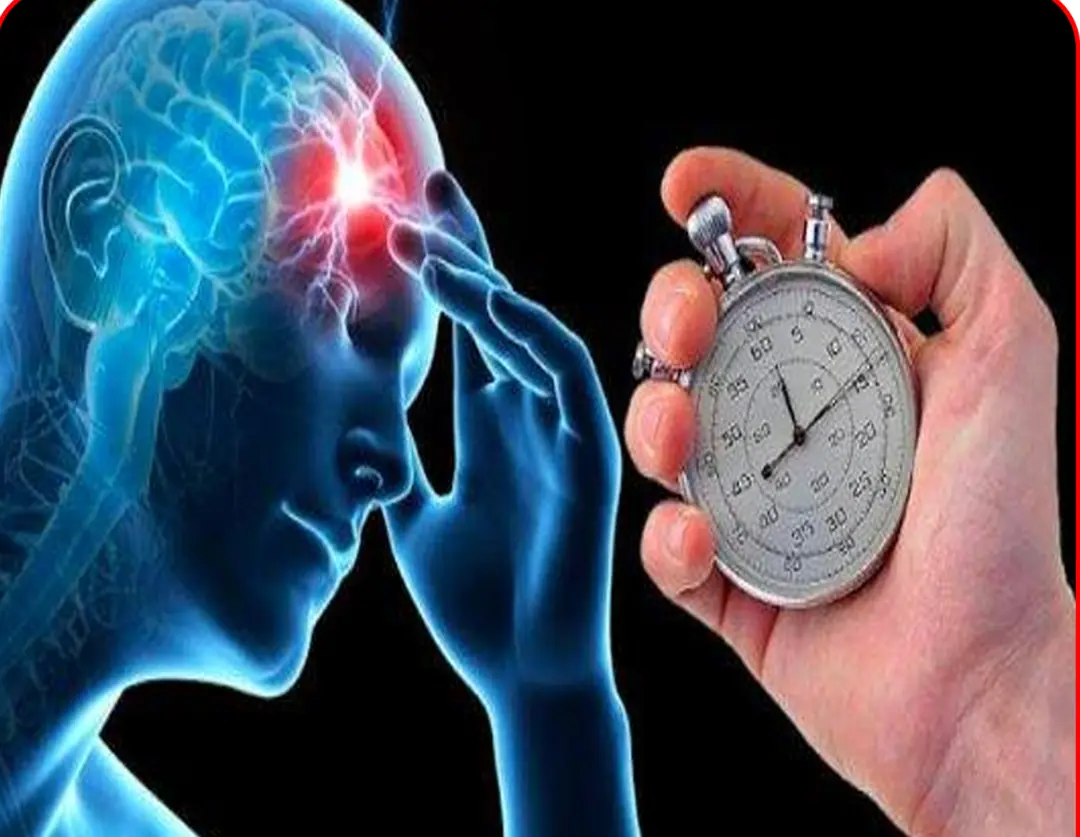
4 Clear Signals Your Body Sends Before a Stroke: Act Fast to Save Your Life
Strokes can strike without warning, but the body often sends out clear signals well before the actual event occurs. Recognizing these warning signs is crucial because acting within the first few minutes can save your life and minimize the long-term effects of a stroke. Studies show that the brain sends out four distinct signals up to 15 minutes before a stroke, allowing you a brief window to seek help. In this article, we will explore these warning signs and explain what to do if you or someone around you begins to experience them.
What is a Stroke?
A stroke occurs when the blood flow to a part of the brain is interrupted, either due to a blockage (ischemic stroke) or a rupture (hemorrhagic stroke) of a blood vessel. Without oxygen and nutrients from the blood, brain cells begin to die, leading to the loss of brain function and potentially irreversible damage. The quicker the treatment, the better the chances for recovery, which is why early detection is so vital.
The 4 Key Warning Signs of a Stroke
The body often sends early signals before a stroke, sometimes as much as 15 minutes beforehand. Recognizing these signals can be life-saving. Here are the 4 clear signals you should watch for:
1. Sudden, Severe Headache
A sudden, intense headache that seems to come out of nowhere is one of the first signs that the body is signaling an impending stroke. If the headache is severe and feels different from a usual headache or migraine, it could indicate a hemorrhagic stroke (bleeding in the brain). The headache may be accompanied by nausea, vomiting, and dizziness, so it’s important not to ignore it.
-
What to do: If you or someone else experiences a sudden, intense headache, call emergency services immediately. It could be the first sign of a life-threatening stroke.
2. Numbness or Weakness in the Face, Arm, or Leg
Another classic sign of an impending stroke is sudden numbness or weakness on one side of the body. This can affect the face, arm, or leg, especially when it occurs on just one side. It may manifest as drooping of the face, difficulty raising one arm, or a weak leg that causes unsteady walking.
-
What to do: Perform the FAST test:
-
Face: Ask the person to smile. Does one side of their face droop?
-
Arm: Ask the person to raise both arms. Does one arm drift downward?
-
Speech: Ask the person to repeat a simple sentence. Is their speech slurred or strange?
-
Time: If you notice any of these signs, act fast and call emergency services immediately.
-
3. Confusion or Trouble Speaking
Another sign to look out for is sudden confusion or difficulty in speaking clearly. The individual may struggle to understand simple questions, repeat words, or fail to make coherent sentences. This happens when the part of the brain that controls language is affected by the stroke.
-
What to do: If the person is unable to speak clearly or understand what you're saying, seek medical help immediately. Quick intervention is crucial to minimizing brain damage and improving the chances of recovery.
4. Dizziness, Loss of Balance, or Coordination
Feeling dizzy, losing balance, or having difficulty walking are also common stroke symptoms. This may happen suddenly and can make it hard to stand or move properly. The loss of coordination can affect how a person walks or moves, making them more prone to falls.
-
What to do: If the individual has sudden dizziness or coordination issues, don’t wait—call emergency services and get to a hospital immediately.
Why Time Matters During a Stroke
The old saying “time is brain” is absolutely true. The faster you act during the onset of a stroke, the less damage will be done to the brain. Brain cells can begin to die in as little as 3 minutes without proper blood flow. However, the effects of a stroke can be minimized with immediate medical attention, especially if treatment is administered within the first 3 to 4.5 hours of the onset of symptoms.
This is why recognizing the warning signs and acting fast is so important. The faster medical treatment begins, the better the chances for full recovery and avoiding long-term disability.
What to Do if You Suspect a Stroke
If you or someone else begins showing any of the above signs of an impending stroke, here’s what to do:
-
Call Emergency Services (911 or your local emergency number): The sooner help arrives, the better. Emergency medical professionals are trained to treat strokes and can provide life-saving interventions such as clot-busting medications (for ischemic strokes) or surgical interventions (for hemorrhagic strokes).
-
Do Not Wait: Time is of the essence. Even if the symptoms seem to improve or disappear, a stroke may still be occurring, and the person should be evaluated by a healthcare professional immediately.
-
Keep the Person Calm: If possible, have the person lie down in a comfortable position and stay calm. Avoid offering food or drink, as this may complicate treatment.
-
Note the Time: It’s important to note the time when the symptoms began. This information helps doctors determine the best course of treatment and whether clot-busting drugs can be administered effectively.
Preventing a Stroke: What You Can Do
While not all strokes can be prevented, you can reduce your risk by adopting a healthy lifestyle. Here are a few ways to lower your risk:
-
Control high blood pressure: High blood pressure is one of the leading causes of stroke. Regular check-ups and maintaining a healthy diet can help keep your blood pressure in check.
-
Exercise regularly: Physical activity helps improve circulation and heart health, reducing the chances of stroke.
-
Quit smoking: Smoking damages blood vessels and increases the risk of blood clots, which can lead to a stroke.
-
Eat a balanced diet: A diet rich in fruits, vegetables, and healthy fats can help reduce the risk of stroke.
-
Manage diabetes: Uncontrolled diabetes can damage blood vessels, leading to an increased risk of stroke.
Conclusion: Be Prepared, Act Fast
Recognizing the early warning signs of a stroke can save your life. If you or someone you know experiences sudden headaches, numbness or weakness, confusion, or dizziness, it’s crucial to act immediately. By following the FAST test and seeking emergency medical help without delay, you can greatly improve the chances of a successful recovery.
Remember, early intervention is the key to reducing brain damage and enhancing recovery after a stroke. Don’t wait—act fast to save a life.