Eating Peanuts Regularly? Here's What Doctors Say Could Happen to Your Body
From protecting your heart to supporting blood sugar control, discover what happens when you eat peanuts regularly, the surprising risks you should know, and how much is actually healthy.
Peanuts are among the most widely consumed foods in the world, yet many people underestimate their nutritional value. Eating them regularly may support heart health, help manage appetite, provide essential vitamins and minerals, and contribute to healthier blood sugar levels. However, excessive consumption, allergies, and improper storage can create serious problems. This article explores the science behind eating peanuts every day, what doctors and nutrition researchers say, and how to enjoy them safely.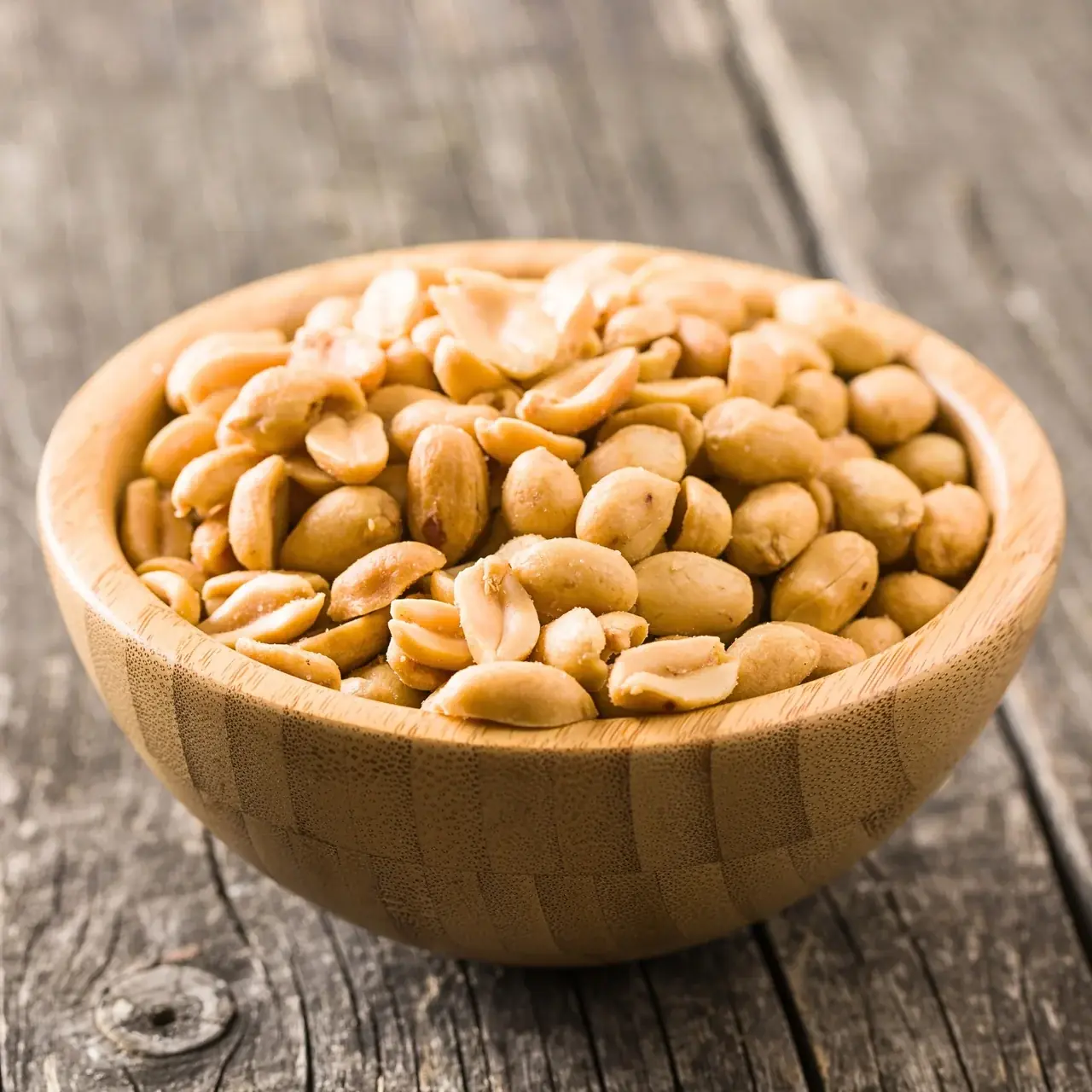
The Small Snack That May Have a Bigger Effect on Your Health Than You Realize
What if one of the simplest foods in your kitchen could help support your heart, keep hunger under control, and provide nutrients your body needs as you grow older? It might not be an expensive supplement, a complicated diet plan, or a fashionable superfood. It could be something as ordinary as a small handful of peanuts.
Peanuts are often treated as little more than a convenient snack. People sprinkle them over salads, add them to sauces, spread peanut butter on toast, or eat them straight from a container while watching television. Because they are inexpensive and easy to find, many people rarely stop to consider what happens inside the body when they eat them regularly.
Yet peanuts have an interesting nutritional profile. Although they are technically legumes rather than tree nuts, they contain several nutrients commonly associated with other nuts, including plant-based protein, unsaturated fats, fiber, magnesium, niacin, folate, and vitamin E.
These nutrients play different roles in the body. Some contribute to normal cardiovascular function. Others help maintain muscles, support energy metabolism, and participate in processes that protect cells. The combination of protein, fat, and fiber may also make peanuts more satisfying than many highly processed snack foods.
But there is another side to this familiar food.
Peanuts are calorie-dense, meaning that eating large portions without considering total calorie intake can make weight management more difficult. Some people experience digestive discomfort after eating them. For individuals with peanut allergies, even a small exposure can trigger a dangerous reaction. Improper storage can also allow certain molds to produce aflatoxins, naturally occurring substances associated with serious health risks.
So, are peanuts something you should eat every day?
The answer is more interesting than a simple yes or no.
The important question is not merely whether peanuts are healthy. It is how much you eat, how they are prepared, what foods they replace in your diet, and whether your body can tolerate them.
In the following sections, we will look closely at what regular peanut consumption may mean for your heart, cholesterol, weight, blood sugar, brain function, and long-term health. We will also examine the risks that are often overlooked and explain how to choose a safer, more nutritious portion.
Because sometimes, the difference between a beneficial daily habit and an unhealthy one comes down to a surprisingly small detail.
Part 1: What Happens to Your Body When You Eat Peanuts Regularly?
1. Your Heart May Benefit From the Healthy Fats in Peanuts
One of the most important reasons nutrition researchers have studied peanuts is their fat composition.
At first glance, peanuts may seem like an unusual choice for someone trying to protect their heart. They contain a relatively high amount of fat, and many people have spent years being told that high-fat foods should be avoided.
However, not all fats affect the body in the same way.
Peanuts contain substantial amounts of monounsaturated and polyunsaturated fatty acids. These are commonly described as unsaturated fats and are generally considered more favorable for cardiovascular health than diets high in saturated fats.
Monounsaturated fats are also found in foods such as olive oil and avocados. Polyunsaturated fats are present in various seeds, nuts, and vegetable oils.
The important factor is what these fats replace in the diet.
For example, replacing some foods rich in saturated fat with peanuts or other unsaturated-fat-rich foods may improve the overall quality of dietary fat intake. This is different from simply adding large amounts of peanuts to an already calorie-heavy diet.
The distinction matters because cardiovascular health is influenced by many factors, including cholesterol levels, blood pressure, physical activity, smoking, genetics, and overall eating habits.
Peanuts also contain plant compounds that researchers have investigated for their antioxidant properties. These include polyphenols, which are naturally occurring substances found in many plant foods.
Some studies suggest that peanut consumption may be associated with favorable cardiovascular outcomes. However, the strength of the evidence varies depending on the type of peanut product, the amount consumed, and the population being studied.
A systematic review of randomized controlled trials found that peanut consumption did not consistently improve most measured cardiovascular risk factors, although it reported a modest improvement in HDL cholesterol in the studies analyzed.
This is an important reminder that peanuts should not be presented as a treatment for heart disease.
Their potential benefit is better understood as part of an overall eating pattern that emphasizes vegetables, fruits, legumes, whole grains, and healthier sources of fat.
For someone who regularly eats packaged chips, heavily processed snacks, or foods containing large amounts of saturated fat, replacing some of those snacks with a modest serving of unsalted peanuts may be a sensible nutritional choice.
The goal is not to eat more fat simply because some fats are healthy. It is to make better food substitutions.
2. Your Cholesterol Levels May Respond to Better Food Choices
Cholesterol is often discussed as though it were entirely harmful. In reality, the body needs cholesterol to perform several important functions.
It helps build cell membranes and participates in the production of certain hormones and vitamin D.
The problem arises when blood cholesterol levels, particularly low-density lipoprotein cholesterol, become too high.
LDL cholesterol is commonly called bad cholesterol because elevated levels contribute to plaque buildup inside arteries. Over time, this process can increase the risk of heart attacks and strokes.
Peanuts contain no dietary cholesterol because they are plant-based foods. More importantly, their unsaturated fats may help improve the nutritional balance of a person's diet when they replace foods rich in saturated fats.
A person who replaces butter-heavy snacks or certain processed foods with unsalted peanuts may therefore improve the quality of their overall fat intake.
However, there is an important distinction between supporting healthy cholesterol levels and directly lowering cholesterol.
Eating peanuts does not guarantee a measurable reduction in LDL cholesterol for every individual.
Research findings have been mixed. Some studies report favorable changes in certain cholesterol measurements, while others find no statistically significant improvement.
This variation may depend on several factors:
-
Whether the peanuts are raw, roasted, or processed into peanut butter.
-
Whether the participants already have elevated cholesterol.
-
How much peanuts they consume.
-
Which foods peanuts replace.
-
How long the dietary intervention lasts.
-
Whether other lifestyle changes occur at the same time.
For people concerned about cholesterol, peanuts can be one component of a balanced diet, but they should not replace prescribed medication or medical advice.
The most useful approach is to choose plain or lightly roasted peanuts, monitor portion sizes, and maintain an overall dietary pattern that supports cardiovascular health.
3. You May Feel Fuller Between Meals
Another interesting effect of eating peanuts regularly involves appetite.
Many people struggle with hunger between meals. They may eat breakfast, feel satisfied for a short time, and then begin searching for biscuits, sweets, or other snacks before lunchtime.
This can happen because some common snack foods contain substantial amounts of refined carbohydrates but relatively little protein or fiber.
Peanuts offer a different combination.
They provide protein, dietary fiber, and fat in the same food. Together, these nutrients can contribute to a greater feeling of fullness.
Protein plays an important role in regulating appetite. It takes part in several hormonal and digestive processes associated with satiety.
Dietary fiber adds bulk to the diet and can slow digestion. Meanwhile, fat generally takes longer to digest than many carbohydrate-rich foods.
When these components are eaten together, a modest serving of peanuts may help some people feel satisfied for longer than they would after eating a small sugary snack.
Imagine two different afternoon snack choices.
The first is a handful of sweet biscuits. They may provide quick energy, but depending on their ingredients and portion size, they may contain relatively little protein or fiber.
The second is a small serving of unsalted peanuts accompanied by a piece of fruit.
The second option provides protein, unsaturated fats, fiber, and additional nutrients from the fruit.
It may therefore be a more satisfying choice.
This does not mean peanuts eliminate hunger or automatically prevent overeating. Appetite is influenced by sleep, stress, hormones, activity levels, meal composition, and individual metabolism.
Nevertheless, peanuts can be useful when someone wants a convenient snack that provides more nutritional value than many highly processed alternatives.
4. Peanuts May Help You Manage Your Weight, but Portion Size Matters
This is where many people become confused.