People managing high blood pressure
Those who need to restrict sodium should choose unsalted or lightly salted varieties.
Heavily seasoned peanuts may contribute unnecessary sodium.
People managing their weight
Peanuts can fit into a weight-management plan, but portions should be controlled because of their calorie density.
People with certain digestive conditions
Anyone who consistently experiences bloating, abdominal discomfort, or other symptoms after eating peanuts should discuss the issue with a healthcare professional.
People with swallowing or dental difficulties
Whole peanuts may be difficult to chew or swallow for some older adults.
A smoother alternative, such as an appropriate peanut butter, may be easier to consume, provided there is no allergy and swallowing is safe.
People with kidney disease
Kidney disease can affect how the body handles minerals such as potassium and phosphorus.
Peanuts contain both, so the appropriate amount depends on the individual's kidney function, laboratory results, and dietary plan.
A registered dietitian or healthcare professional can help determine whether peanuts fit into an individual's nutritional restrictions.
23. What Should You Look for When Buying Peanuts?
Choosing good-quality peanuts is not difficult, but a few details can make a difference.
First, inspect the packaging.
It should be intact, dry, and properly sealed.
Avoid packages that show evidence of moisture, damage, or contamination.
Second, examine the peanuts themselves.
They should have a relatively normal appearance for their variety.
Avoid peanuts that are visibly moldy, unusually discolored, shriveled, or damaged.
Third, check the ingredient list.
For regular consumption, products with minimal ingredients are generally easier to incorporate into a healthy diet.
Fourth, pay attention to expiration and storage information.
Peanuts contain a substantial amount of fat, and their quality can deteriorate over time if exposed to heat, air, or moisture.
Finally, purchase from reliable suppliers.
Good sourcing and appropriate storage help reduce the risk of consuming contaminated or spoiled products.
Part 5: What Doctors Want You to Understand About Eating Peanuts Regularly
24. Peanuts Are Nutritious, but They Are Not a Miracle Food
One of the biggest mistakes people make when reading about nutrition is assuming that a healthy food can solve several health problems by itself.
Peanuts are a good example of why this thinking can be misleading.
They contain beneficial nutrients, including unsaturated fats, protein, fiber, magnesium, niacin, folate, and vitamin E.
These nutrients contribute to normal bodily functions.
However, eating peanuts does not automatically lower cholesterol, prevent heart attacks, control diabetes, stop aging, or protect someone from every chronic disease.
A food can contribute to a healthy dietary pattern without acting as medicine.
This distinction is especially important for people who already have medical conditions.
Someone with high cholesterol should not stop taking prescribed medication because they have started eating peanuts.
Likewise, someone with diabetes should not replace their treatment plan with a daily handful of nuts.
Healthy food choices can complement medical care, but they cannot replace it.
25. The Benefits Depend on What Peanuts Replace
Perhaps the most important lesson about peanuts is that their effects depend partly on the foods they replace.
Consider two people.
The first person regularly eats a small portion of unsalted peanuts instead of highly processed, salty snacks.
The second person eats the same portion of peanuts after already consuming their usual meals and snacks.
Although both people eat peanuts, their overall dietary patterns are different.
For the first person, peanuts may improve the nutritional quality of the snack they have chosen.
For the second, peanuts may simply increase total calorie intake.
This illustrates why nutrition research often examines food substitutions rather than individual ingredients in isolation.
The American Heart Association recommends replacing foods containing saturated and trans fats with foods rich in unsaturated fats as part of a heart-healthy eating pattern.
The same principle applies when choosing peanuts.
Their value is not simply that they contain healthy fats. It is that they can help replace less nutritious alternatives.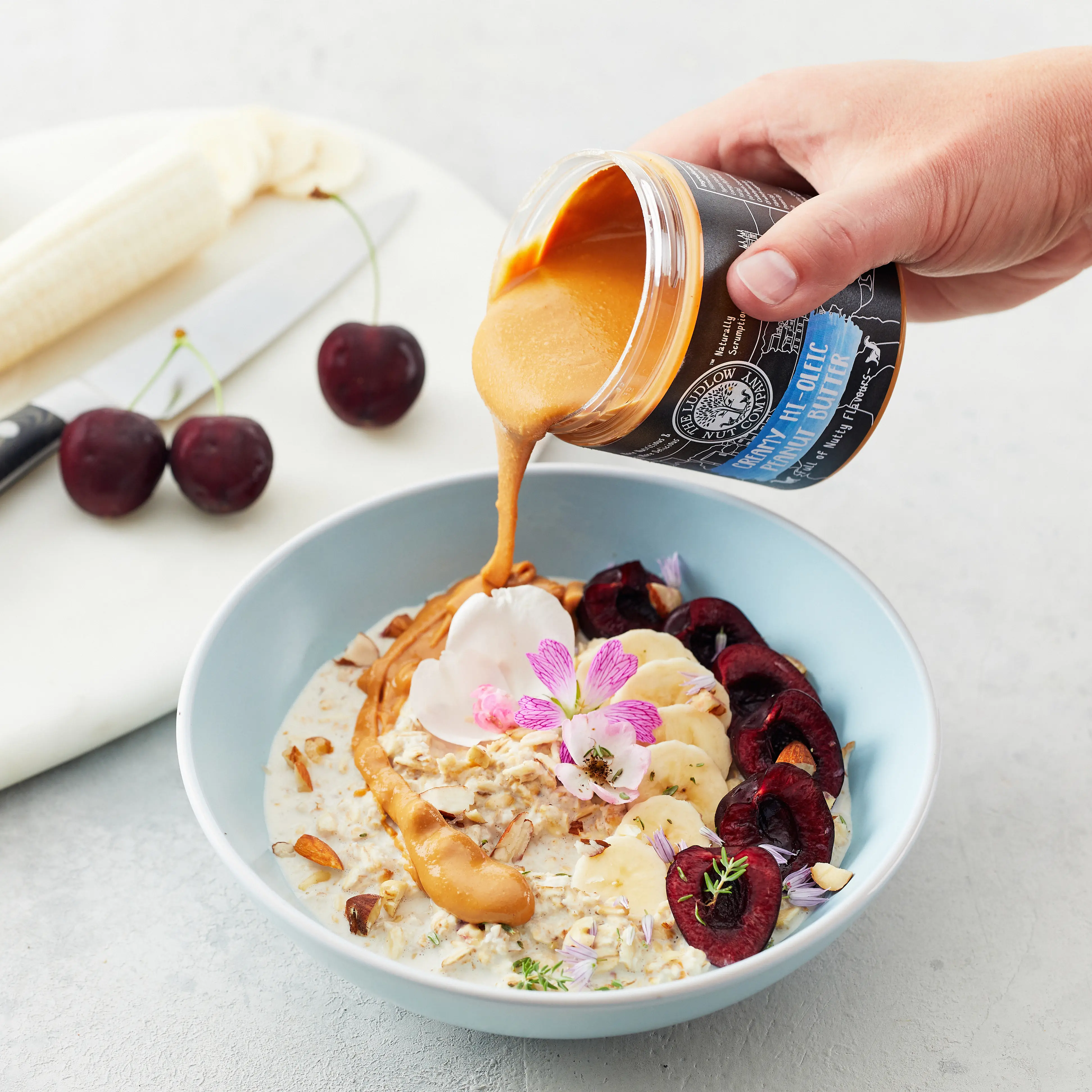
26. Why Older Adults May Find Peanuts Particularly Useful
As people grow older, maintaining a balanced diet can become more challenging.
Appetite may change, food preparation may become more difficult, and some individuals may consume less protein or fewer nutrient-rich foods than they need.
Peanuts can offer a practical solution in certain situations.
A small serving provides energy, plant-based protein, and several important nutrients.
They are also versatile.
They can be added to oatmeal, vegetable dishes, yogurt, and other familiar meals.
For older adults who want convenient snacks, plain peanuts may be more satisfying than many highly processed alternatives.
However, individual circumstances matter.
Someone with a peanut allergy must avoid them.
Someone with swallowing difficulties may need a different texture.
Someone following a medically restricted diet may need to account for potassium, phosphorus, sodium, or total calories.
The best nutritional advice is never simply to recommend the same food to everyone.
Instead, it should consider the person's health, preferences, and ability to eat safely.
27. What Does the Research Actually Tell Us?
The scientific evidence surrounding peanuts is encouraging in several areas, but it is not equally strong for every claimed benefit.
Research on nuts and cardiovascular health has associated regular nut consumption with favorable outcomes, although observational studies cannot always establish direct cause and effect.
Clinical trials examining peanuts specifically have produced mixed findings.
A 2019 systematic review and meta-analysis of 13 randomized controlled trials found no statistically significant effects on several cardiovascular risk factors, including LDL cholesterol, blood pressure, triglycerides, and body weight. It did, however, report an improvement in HDL cholesterol.
A later randomized clinical trial and meta-analysis published in Frontiers in Nutrition in 2022 examined regular peanut and peanut butter consumption over six months, adding further evidence to this area.
These findings suggest that peanuts can be a useful component of a balanced diet, but their effects should not be exaggerated.
Evidence concerning appetite is also interesting.
The combination of protein, fat, and fiber can contribute to fullness, while the structure of whole peanuts may affect how much energy is absorbed during digestion.
However, this does not mean that eating peanuts guarantees weight loss.
For blood sugar, their relatively low carbohydrate content makes them a practical alternative to many sugary snacks.
Nevertheless, research does not support describing peanuts as a treatment for diabetes.
Regarding brain health, peanuts supply nutrients involved in normal neurological function, but there is insufficient evidence to claim that eating them independently prevents dementia or Alzheimer's disease.
Finally, the risks associated with allergies and aflatoxins are well established and should be taken seriously.
A sensible interpretation of the research is therefore straightforward:
Peanuts are a nutrient-rich food with several potential advantages, but the benefits depend on portion size, preparation, individual health, and the overall quality of the diet.
28. The Best Way to Eat Peanuts Is Surprisingly Simple
If you want to make peanuts part of your everyday routine, you do not need an expensive product or complicated preparation.
Start with plain peanuts.
Choose unsalted or lightly salted varieties, measure a moderate portion, and combine them with other nutritious foods.
You can eat them with fruit, add them to breakfast, or use them to improve the texture of a homemade meal.
Avoid relying too heavily on sweetened peanut butter, heavily salted varieties, or snacks covered in sugary coatings.
Store peanuts in a cool, dry place and discard any that show signs of mold or deterioration.
Most importantly, pay attention to how your body responds.
If you experience repeated digestive discomfort, seek appropriate medical advice. If you have a peanut allergy, avoid exposure rather than experimenting with different quantities.
There is no nutritional advantage worth risking a severe allergic reaction.
Final Verdict: Should You Eat Peanuts Every Day?
So, what happens when you eat peanuts regularly?
For many people, moderate peanut consumption can be a valuable addition to a balanced diet.
You may benefit from:
-
Heart health: Unsaturated fats can help improve the quality of dietary fat intake when they replace saturated fats.
-
Appetite control: Protein, fiber, and fat can contribute to feelings of fullness.
-
Muscle maintenance: Plant-based protein supplies amino acids needed for normal tissue maintenance.
-
Digestive health: Dietary fiber contributes to normal bowel function.
-
Blood sugar management: Peanuts contain relatively little carbohydrate and can be a useful alternative to sugary snacks.
-
Nutrient intake: Magnesium, niacin, folate, and vitamin E support several important bodily functions.
But there are also important precautions.
Eating excessive amounts can increase calorie intake. Heavily salted varieties may contribute unnecessary sodium. People with peanut allergies must avoid them, and improperly stored peanuts may carry the risk of aflatoxin contamination.
The smartest approach is not to eat as many peanuts as possible.
It is to choose good-quality products, enjoy moderate portions, and make them part of a varied eating pattern.
A small handful may seem insignificant, but thoughtful food choices repeated over time can make a meaningful contribution to overall nutrition.
Ultimately, peanuts are neither a miracle cure nor a food everyone needs to avoid.
They are an affordable, nutrient-rich food that can support a healthy lifestyle when eaten appropriately.
Sometimes, improving your diet does not require dramatic changes. It starts with understanding ordinary foods, choosing them wisely, and knowing when moderation matters.