Clothes that remain damp for too long can develop unpleasant odors.
Don't overload the machine
An overloaded drum may prevent water and detergent from circulating properly.
The result can be less effective cleaning and more residue.
Use the correct detergent amount
More detergent isn't necessarily better.
Excess detergent can leave residue behind, particularly when it isn't fully rinsed away.
Leave the Washing Machine Door Open
If you have a front-loading washer, consider leaving the door slightly open after the cycle when it is safe to do so.
This allows moisture to evaporate and helps the interior dry.
The same principle applies to the detergent drawer.
Leaving it slightly open can help prevent moisture from becoming trapped inside.
Of course, follow manufacturer instructions and make sure the open door doesn't create a safety hazard for children or pets.
Don't Forget the Drain Pump Filter
Some washing machines have a drain pump filter designed to catch lint, coins, hair, and other debris.
If the filter becomes dirty or clogged, you may notice:
-
Poor drainage
-
Standing water
-
Slow draining
-
Unpleasant odors
-
Clothes remaining wetter after the cycle
The location and cleaning procedure vary by model.
Before opening or cleaning a filter, consult your washing machine's manual and follow its safety instructions.
Some machines may contain residual water behind the filter, so be prepared for water to drain when the filter is opened.
How Often Should You Clean Your Washing Machine?
There isn't one universal schedule.
The ideal frequency depends on:
-
How often you use the machine
-
Whether you wash heavily soiled clothing
-
Whether you use liquid detergent
-
Whether you regularly use fabric softener
-
Whether the machine is front-loading or top-loading
-
How well the machine dries between cycles
-
The manufacturer's recommendations
As a general maintenance habit, inspect the gasket and detergent drawer regularly and run the machine's dedicated cleaning cycle according to the manufacturer's instructions.
If the washer develops a persistent odor, don't wait for a calendar date.
Clean it when the problem appears.
What If the Smell Doesn't Go Away?
If you've cleaned the drum, gasket, dispenser, and filter but the odor keeps returning, there may be another cause.
Possible issues include:
-
Hidden residue
-
Drain problems
-
Standing water
-
A dirty drain hose
-
Biofilm buildup
-
Mold or mildew
-
Poor ventilation
-
A mechanical problem
In some cases, the problem may not be the washing machine at all.
The laundry itself can retain odors, particularly towels, sportswear, and synthetic fabrics.
If clothing still smells after washing, make sure it is thoroughly cleaned and dried.
Why Towels Often Develop a Musty Smell
Towels are particularly prone to developing unpleasant odors.
They absorb large amounts of water and can remain damp for long periods.
If towels are thrown into a laundry basket while still damp, microorganisms can multiply and produce odors before the washing cycle even begins.
Try to hang wet towels so they can dry before putting them in the laundry basket.
Also avoid using excessive amounts of fabric softener on towels, as residue can reduce their ability to absorb water.
What About Sports Clothes?
Synthetic athletic fabrics can hold onto body oils and odors differently from natural fibers.
Washing them with excessive detergent or fabric softener isn't necessarily the answer.
Instead:
-
Don't leave sweaty clothes sitting wet for long periods.
-
Follow the garment's care instructions.
-
Avoid excessive fabric softener.
-
Don't overload the washer.
-
Dry garments promptly after washing.
If odors persist, a detergent designed for sportswear may be more appropriate than repeatedly adding household ingredients.
A Simple Washing Machine Maintenance Routine
You don't need an elaborate cleaning ritual.
A basic routine can make a significant difference.
After every load
-
Remove laundry promptly.
-
Leave the door open or ajar when appropriate.
-
Leave the detergent drawer open to dry.
Every few washes
-
Wipe the rubber gasket.
-
Check for trapped hair, lint, or debris.
-
Inspect the detergent drawer.
Periodically
-
Run the manufacturer's recommended tub-cleaning cycle.
-
Clean the drain filter if your machine has one.
-
Check hoses and drainage.
-
Clean visible buildup.
When odors appear
-
Run an appropriate empty cleaning cycle.
-
Consider using baking soda as a simple odor-control measure if compatible with your machine.
-
Investigate the gasket, drawer, filter, and drainage system.
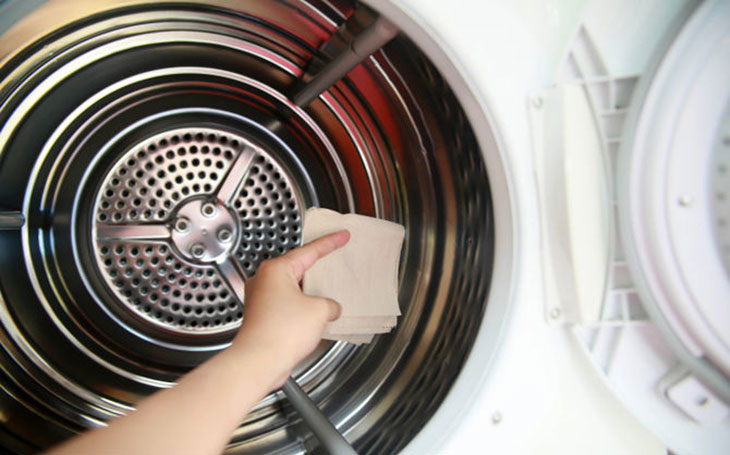
Common Mistakes That Can Make Your Washer Smell Worse
Using too much detergent
More detergent doesn't necessarily mean cleaner clothes.
Excess product can leave residue behind.
Closing the door immediately
A warm, wet interior can remain damp for hours.
Allowing it to dry can help.
Leaving wet laundry inside
This can quickly lead to musty odors.
Overloading the machine
Clothes need enough space for water and detergent to circulate.
Ignoring the gasket
A dirty gasket can become a major source of odor.
Using fragrance to cover the smell
Strongly scented products may mask an odor without removing its source.
Can Baking Soda Remove Mold?
This is where expectations should remain realistic.
Baking soda may help with odors and light residue, but it should not be considered a guaranteed treatment for established mold or extensive microbial growth.
If you see significant mold-like buildup, particularly inside areas that are difficult to access, follow the manufacturer's cleaning instructions or seek appropriate professional advice.
Don't aggressively scrub contaminated areas without considering exposure to spores and the possibility that the underlying moisture problem remains.
The goal isn't simply to make the machine smell better.
The goal is to remove the conditions causing the odor.
The Bottom Line
A washing machine doesn't clean itself simply because it washes clothes every day.
Detergent residue, fabric softener, body oils, dirt, moisture, and trapped debris can gradually accumulate inside the machine and contribute to musty odors.
A measured amount of baking soda—such as about ½ cup in an empty cleaning cycle, when compatible with your machine—may help neutralize odors and loosen some residue.
But the most effective approach is bigger than one ingredient.
Clean the gasket.
Wash the detergent drawer.
Check the filter.
Don't overload the machine.
Use the recommended amount of detergent.
Remove wet laundry promptly.
And allow the washer to dry between cycles.
Most importantly, follow your washing machine manufacturer's instructions because different machines use different materials, cleaning programs, and maintenance procedures.
A simple bowl of baking soda may help freshen your washer, but a consistently clean and dry machine is what makes the biggest difference over time.