When areas of skin with many folds, such as the neck or elbows, become darker, most people assume it is caused by poor hygiene. However, it can also be a significant warning sign of diabetes.
At the age of 18, Xiao Ding (Taiwan, China) could hardly believe that he had diabetes. In his mind, diabetes and other metabolic disorders such as high cholesterol and high blood pressure were diseases that only affected older people.
Xiao Ding initially went to the hospital to see a dermatologist because the skin on his neck and elbows had recently turned unusually dark. The patches were neither painful nor itchy.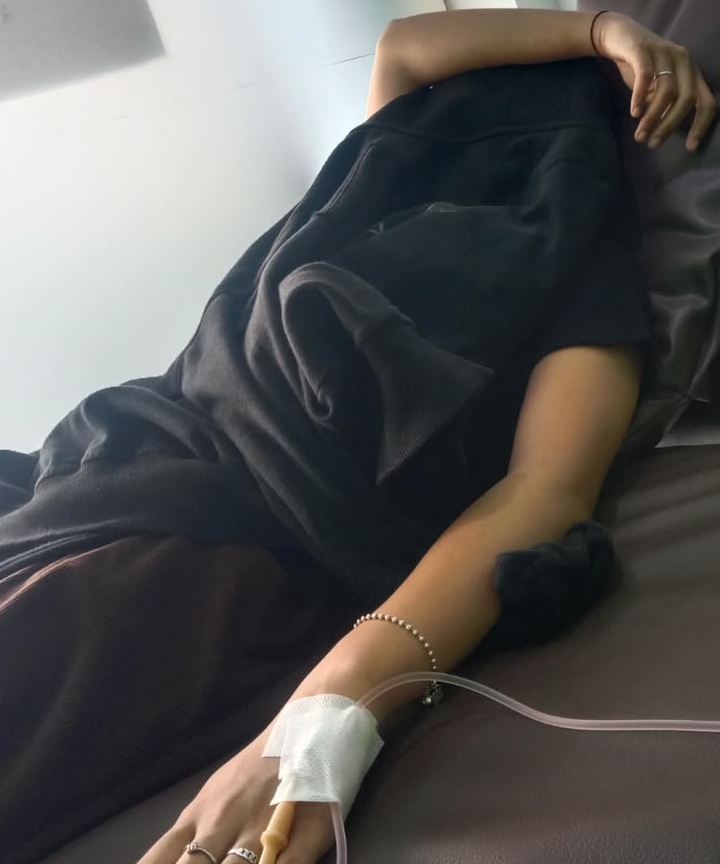
At first, he thought he had not cleaned himself properly. He scrubbed the areas repeatedly and even switched to different body washes and exfoliating products. When nothing worked, he assumed he had a skin condition and decided to seek medical advice.
After examining Xiao Ding's neck and elbows, the dermatologist immediately advised him to have his blood sugar tested or visit an endocrinologist. Even after receiving a diagnosis of type 2 diabetes, Xiao Ding remained shocked and asked the doctor to repeat the tests because he could not accept the results.
Additional examinations also revealed impaired liver function, high blood lipid levels, and uric acid levels far above the normal range.
Doctors Warn That Skin Changes Can Be a Sign of Diabetes
According to Xiao Ding's treating physician, Dr. Chu Jian-An (Taiwan, China), the skin is significantly affected when blood sugar levels become elevated. This can lead to several changes, the most common of which are:
- Darkened skin
- Dry skin
- Itchy skin
- Recurrent skin infections and slower-than-normal wound healing
In Xiao Ding's case, his type 2 diabetes was discovered because of unusual skin darkening, a condition medically known as acanthosis nigricans.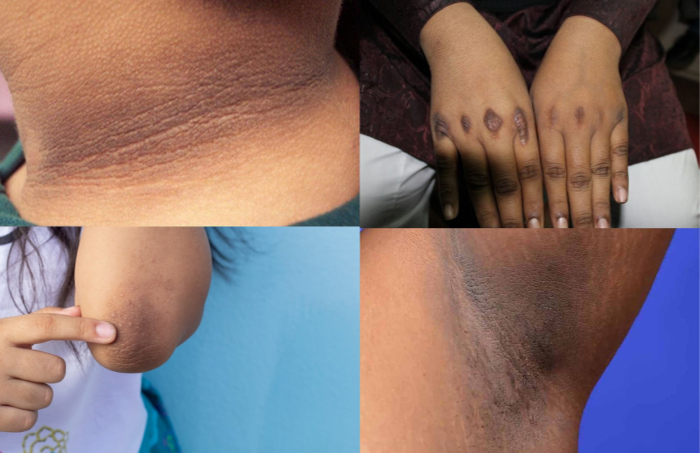
Dr. Chu further explained:
"Skin darkening associated with diabetes has some distinctive characteristics. It does not occur over the entire body but usually appears in areas with skin folds and frequent friction."
The most common sites include:
- The neck
- The armpits
- The elbows
- The inner thighs and groin
- The knuckles
- The knees
These dark patches cannot be removed by normal cleaning methods, even with vigorous scrubbing.
He also emphasized that type 2 diabetes is the form of diabetes most commonly associated with abnormal skin darkening.
"The main reason is excessively high insulin levels or hormonal abnormalities, which trigger abnormal growth of skin cells and fibroblasts and increase melanin accumulation. As a result, the affected skin becomes thicker, rougher, and darker," Dr. Chu explained.
According to him, diabetes can also cause dry and itchy skin because high blood sugar dehydrates the skin, leading to dryness, flaking, and irritation. People with diabetes are also more susceptible to skin infections, especially fungal and bacterial infections. Cuts and scratches tend to heal more slowly because of poor blood circulation.
Other Common Signs of Diabetes
In addition to skin abnormalities, Dr. Chu advised people to watch for other symptoms of diabetes, including:
- Persistent thirst and a constant need to drink water
- Frequent urination, especially at night
- Sudden blurred vision and rapid decline in eyesight
- Unexplained weight loss without dieting
- Persistent fatigue and a constant lack of energy

Dr. Chu also expressed concern about the increasingly younger age at which people are developing diabetes, as illustrated by Xiao Ding's case.
He believes this trend is largely driven by unhealthy lifestyles, including:
- Unhealthy eating habits, such as consuming excessive amounts of sugary foods, refined carbohydrates, and fatty foods
- Poor weight management
- Frequently staying up late
- Lack of physical activity
Diabetes is a chronic disease that cannot be completely cured. If it becomes severe, it can lead to numerous complications that affect daily life and may even become life-threatening.
Therefore, maintaining a healthy lifestyle is essential. As with diabetes and many other diseases, prevention is always better than treatment.