Doctors warn again! If you wake up with a bitter taste and unpleasant breath, it could be a sign of five health conditions, including diabetes and hepatitis. Fortunately, there are also some simple ways to address the problem.
Do you often experience unpleasant breath when you wake up? Dr. Huang Xuan, a specialist in pulmonary and critical care medicine, warns that waking up with a bitter taste and bad breath may be a health warning sign. In addition to acid reflux and poor oral hygiene, it could also be linked to hepatitis, gallbladder inflammation, Sjögren’s syndrome, or even diabetes.
On his Facebook page, Dr. Huang noted that although waking up with a bitter taste and bad breath is relatively common, it should not be ignored because it may be associated with the following five health issues:
1. Acid Reflux and Indigestion
If you frequently wake up with a bitter taste in your mouth and an unusually sour breath, you may have gastroesophageal reflux disease (GERD). Acid reflux can cause stomach acid or bile to flow back into the esophagus and even reach the mouth, resulting in a bitter, unpleasant taste.
This condition is often linked to eating too much or eating too late at night. Dr. Huang recommends avoiding heavy or greasy meals before bedtime and waiting 2–3 hours after dinner before going to sleep.
2. Liver and Biliary Dysfunction
Poor bile production or impaired bile excretion can also cause a bitter taste in the mouth upon waking. If it is accompanied by symptoms such as fatigue, loss of appetite, or pain in the upper right abdomen, you should seek medical attention promptly to assess your liver and gallbladder function and reduce the risk of liver or gallbladder disease.
3. Poor Oral Hygiene and Dental Problems
Bacteria tend to multiply in the mouth overnight, especially if you have conditions such as gum disease, tooth decay, or mouth ulcers. This can make bad breath more severe.
If you notice a bitter taste and unpleasant breath, it is recommended to brush your teeth and floss every morning and evening, and undergo regular dental checkups.
4. Diabetes and Metabolic Disorders
People with diabetes may experience dry mouth, a bitter taste, and bad breath due to unstable blood sugar levels. Increased ketones in the body can create an unusual sweet or bitter taste.
Other symptoms may include excessive thirst and frequent urination. Blood glucose testing is recommended to evaluate blood sugar control.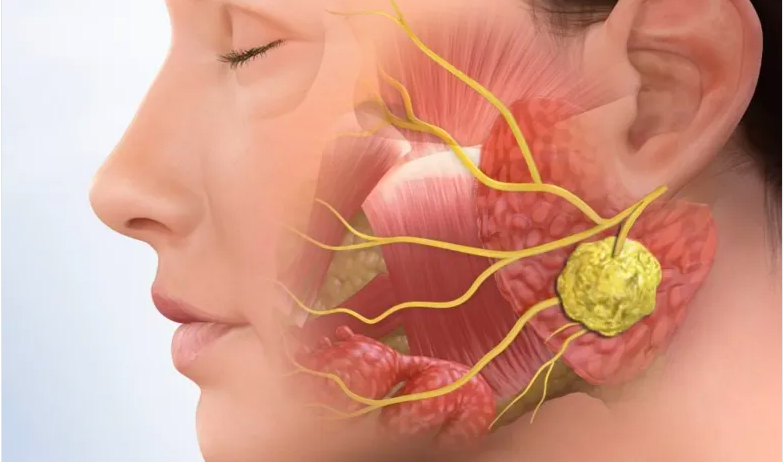
5. Sjögren’s Syndrome
Sjögren’s syndrome is an autoimmune disease that damages the salivary glands, potentially causing dry mouth, a bitter taste, and bad breath.
People with this condition often wake up with an unusually dry mouth and may have difficulty swallowing, along with dry eyes or dry skin. An evaluation for autoimmune disorders may be necessary.
How to Reduce Morning Bitter Taste and Bad Breath
Dr. Huang recommends:
- Avoid heavy or greasy meals at night.
- Try not to eat right before bedtime.
- Do not overeat at dinner.
- Eat a moderate amount of fiber-rich foods to support digestion.
- Brush your teeth every morning and evening.
- Use dental floss when necessary.
- Consider using mouthwash to reduce bacterial growth.
These habits can help remove food debris, stimulate saliva production, and reduce dry mouth.
However, if persistent bad breath and a bitter taste continue despite these measures, you should seek medical attention promptly to identify the underlying cause and receive appropriate treatment.