Vegetables are widely recognized as an important part of a healthy diet. They provide fiber, vitamins, minerals, and a variety of plant compounds that support normal body functions. Eating a diverse range of vegetables is generally associated with better health, and diets rich in plant foods can help reduce the risk of several chronic diseases.
Yet alarming headlines frequently suggest that certain everyday vegetables may cause cancer. Potatoes with green skin, heavily salted pickled vegetables, vegetables exposed to pesticides, and foods cooked at very high temperatures are sometimes presented as dangerous foods that people should avoid.
These warnings can be confusing, especially when the vegetables in question are commonly served at family meals.
The truth is more complicated than many headlines suggest.
Some vegetables can pose health risks when they contain naturally occurring toxins, become contaminated, or are prepared and stored improperly. Certain preservation methods and cooking processes can also produce compounds that researchers have investigated for their potential relationship with cancer. However, this does not mean that ordinary vegetables are inherently cancer-causing.
The important distinction is between a vegetable itself and the conditions under which it is grown, stored, preserved, or prepared.
For example, a green, sprouted potato may contain elevated levels of naturally occurring toxic compounds. That is a genuine food-safety concern, but it is not the same as proving that potatoes generally cause cancer. Similarly, some studies have associated diets high in certain traditional salt-preserved vegetables with an increased risk of stomach cancer, but that does not mean every pickled vegetable is dangerous.
Understanding these differences helps people make informed food choices without unnecessarily eliminating nutritious foods from their diets.
In this article, we examine several vegetables and vegetable-related products that frequently appear in cancer-risk discussions, explain what is actually known, and explore practical ways to prepare and store vegetables safely.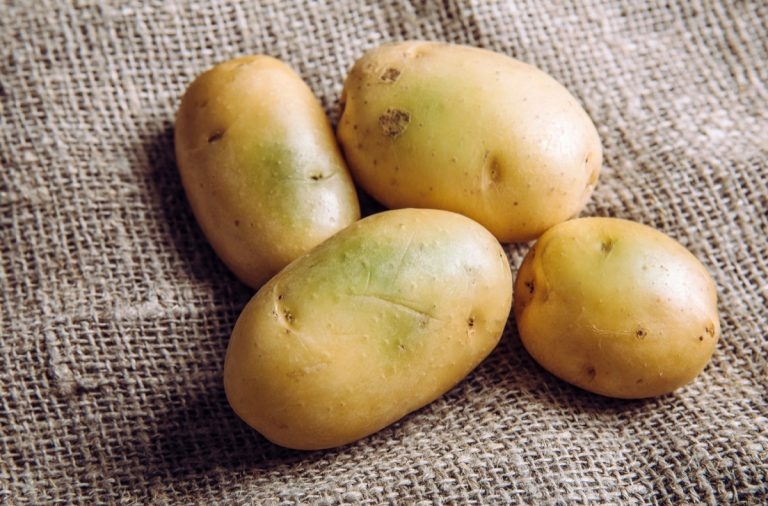
1. Green or Heavily Sprouted Potatoes: A Genuine Food-Safety Concern
Potatoes are among the most widely consumed vegetables in the world. They provide carbohydrates, potassium, vitamin C, and other nutrients, depending on the variety and preparation method.
However, potatoes require appropriate storage because they naturally produce compounds called glycoalkaloids.
Two important glycoalkaloids in potatoes are solanine and chaconine. These compounds are part of the plant's natural defense system and can become more concentrated in certain circumstances, particularly when potatoes are exposed to light, damaged, or heavily sprouted.
This is why potatoes with extensive green coloration, numerous sprouts, or significant deterioration deserve attention.
Why do potatoes turn green?
The green appearance results from chlorophyll formation, often triggered by exposure to light.
Chlorophyll itself is not the principal toxic concern. Instead, green coloration can indicate conditions under which glycoalkaloid levels may also be elevated.
The amount of glycoalkaloids cannot be determined reliably by color alone. Nevertheless, extensive greening is an important warning sign, especially when accompanied by bitterness, heavy sprouting, or damage.
Consuming potatoes with sufficiently high glycoalkaloid concentrations can cause illness. Possible symptoms include nausea, vomiting, abdominal pain, and diarrhea. Severe poisoning is uncommon but can occur after substantial exposure.
Do green potatoes cause cancer?
This is where it is important to distinguish established hazards from unproven claims.
Potato glycoalkaloids have been investigated in laboratory studies for various biological effects, but the available evidence does not establish that ordinary consumption of properly stored potatoes causes cancer in humans.
The main practical reason to avoid heavily green or sprouted potatoes is the risk of glycoalkaloid poisoning, not a proven direct cancer-causing effect.
Cooking does not reliably eliminate these compounds. Boiling, baking, or frying a heavily affected potato should not be considered a dependable way to make it safe.
How should you handle potatoes?
Store potatoes in a cool, dark, dry place with appropriate ventilation. Avoid prolonged exposure to sunlight or strong artificial light.
Inspect potatoes before cooking. Remove small sprouts and damaged areas only when the potato otherwise remains firm and appears healthy. If a potato is extensively green, heavily sprouted, soft, shriveled, or bitter, the safer choice is to discard it.
Do not taste a potato to determine whether a suspicious one is safe. An unusual bitter taste is a warning, not a reason to continue eating it.
For households that regularly buy potatoes in bulk, good storage habits can reduce waste while lowering the likelihood of consuming potatoes with elevated glycoalkaloid levels.
2. Pickled and Salt-Preserved Vegetables: What the Research Really Says
Pickled vegetables are common in many cuisines. Cucumbers, cabbage, mustard greens, radishes, and other vegetables can be preserved using salt, vinegar, fermentation, or combinations of these methods.
These foods can add flavor and variety to meals, and some fermented vegetables contain microorganisms produced during fermentation.
However, certain types of salt-preserved vegetables have been associated with a higher risk of stomach cancer in observational research.
This association has led to claims that pickled vegetables are universally dangerous. That conclusion goes too far.
Why are some preserved vegetables investigated?
One possible explanation involves high salt intake. Diets containing substantial amounts of salt-preserved foods have been associated with damage to the stomach lining and increased stomach cancer risk in some populations.
High salt intake may also interact with other risk factors, including infection with Helicobacter pylori, a bacterium that can cause chronic stomach inflammation and is an established risk factor for stomach cancer.
Another concern relates to preservation conditions. Some traditional preservation practices, especially when food is stored improperly or becomes contaminated, may create conditions in which harmful compounds or microorganisms develop.
Certain nitrosamine compounds are known or suspected carcinogens, depending on the specific compound and the strength of the evidence. Their formation can depend on factors such as the food's composition, processing methods, and storage conditions.
However, it is incorrect to assume that every pickled vegetable contains dangerous amounts of carcinogens.
Are all pickled vegetables unsafe?
No.
Pickling is not a single process. Vegetables preserved in vinegar, vegetables fermented under controlled conditions, and vegetables kept in heavily salted brines are not necessarily equivalent in their composition or health effects.
The risk depends on factors such as the ingredients, amount consumed, preservation method, overall dietary pattern, and food-handling practices.
A small serving of properly prepared pickled vegetables as part of a varied diet is different from relying heavily on very salty preserved foods every day.
How can you reduce potential risks?
Choose products from reputable manufacturers or use reliable food-preservation recipes. Follow instructions for fermentation, refrigeration, and storage rather than improvising preservation methods.
Check the sodium content on packaged products, especially if you have high blood pressure or have been advised to limit salt.
Eat preserved vegetables in moderation and balance them with fresh, frozen, or lightly cooked vegetables.