Organic farming standards restrict or prohibit many synthetic pesticides and fertilizers, although permitted substances and requirements vary by certification program.
However, organic produce is not automatically pesticide-free. Some pesticides are permitted under organic standards, and organic crops can also be affected by environmental contaminants and microbial contamination.
Likewise, conventionally grown vegetables are not automatically unsafe.
The potential health implications depend on the actual substances and exposure levels involved, not simply on whether a product carries an organic label.
Research comparing organic and conventional diets has investigated differences in pesticide exposure and other outcomes. However, evidence that choosing organic vegetables by itself substantially reduces an individual's cancer risk remains limited and difficult to separate from other lifestyle and dietary factors.
For consumers, budget and accessibility matter too.
If organic vegetables are expensive or unavailable, eating more conventional vegetables from reliable sources is generally a better choice than eating very few vegetables because of pesticide fears.
Wash produce properly, eat a diverse range of vegetables, and follow food-safety recommendations regardless of farming method.
An organic label can help consumers make purchasing decisions based on their preferences, but it should not be treated as a guarantee of superior cancer prevention.
14. How to Build a Vegetable-Rich Diet Without Unnecessary Fear
The purpose of understanding food risks is not to become afraid of everything you eat. It is to learn which hazards are real, how they arise, and how to manage them sensibly.
A vegetable-rich diet offers several benefits. Vegetables provide fiber that supports normal bowel function, and many supply nutrients needed for immune function, tissue maintenance, and other physiological processes.
A diverse diet can also make it easier to obtain a broad range of vitamins, minerals, and plant compounds.
Instead of eliminating vegetables because of alarming headlines, consider these practical habits.
Eat a variety of vegetables
Include different colors, textures, and types of vegetables throughout the week. Leafy greens, cruciferous vegetables such as broccoli and cabbage, tomatoes, peppers, carrots, squash, and properly stored potatoes can all contribute to a varied diet.
No single vegetable needs to provide every nutrient.
Use a range of cooking methods
Steaming, boiling, sautéing, roasting, and grilling can all be part of a balanced diet.
Avoid routinely burning food or relying on heavily charred portions. When frying starchy foods such as potatoes, aim for a golden color rather than deep browning.
Store vegetables correctly
Follow refrigeration guidance for fresh produce, keep storage areas clean, and separate raw foods when necessary to prevent cross-contamination.
Check potatoes for extensive greening or sprouting, and discard produce that shows significant deterioration.
Wash produce safely
Rinse vegetables under clean running water. Use a produce brush for firm vegetables when helpful, and remove visibly damaged areas.
Do not use soap, bleach, or household cleaning products on food.
Moderate highly salted preserved vegetables
Pickled and fermented vegetables can add flavor and variety, but products with high sodium content should be consumed in moderation, particularly by people who need to reduce salt intake.
Choose reliable products or use tested preservation methods at home.
Cook high-risk foods appropriately
Cook vegetables and other foods according to reliable food-safety guidance, paying particular attention to foods that are commonly associated with contamination, such as raw sprouts.
People at higher risk of severe foodborne illness should follow additional medical and public-health guidance.
Do not rely on one food to prevent cancer
No vegetable, supplement, juice, or special cooking method can guarantee protection against cancer.
A healthy dietary pattern works alongside other factors, including avoiding tobacco, limiting alcohol, maintaining physical activity, following recommended screening guidance, and managing relevant medical conditions.
The goal is a sustainable routine, not a diet based on fear.
15. When Should You Be Concerned About a Vegetable?
It is useful to separate a food that is potentially contaminated or spoiled from one that has simply been associated with cancer in a headline.
Some warning signs deserve immediate caution.
A potato that is extensively green or heavily sprouted should not be eaten. Vegetables that are moldy, rotten, slimy, or have a strong unpleasant odor should generally be discarded. Produce with visible chemical contamination or an uncertain source in an area subject to a public-health warning should not be consumed until its safety is established.
At the same time, a naturally red tomato, a leafy green vegetable containing nitrates, or a properly prepared pickled cucumber is not automatically dangerous.
Consumers should consider the substance involved, the amount consumed, the frequency of exposure, and the strength of the evidence behind the warning.
Cancer is a complex group of diseases influenced by many factors, including age, genetics, smoking, alcohol use, certain infections, environmental exposures, and dietary patterns. A single food is rarely the sole explanation for an individual's cancer risk.
If you have specific health conditions or dietary concerns, a qualified healthcare professional or registered dietitian can help you make appropriate decisions based on your circumstances.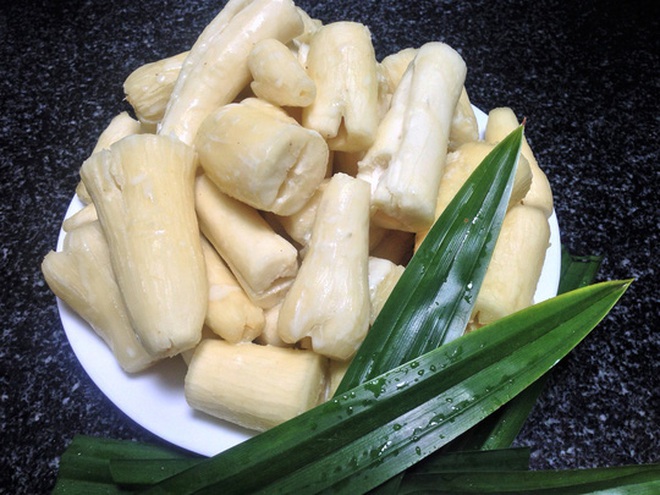
Final Thoughts: Do Not Confuse Food-Safety Warnings With Proof That Vegetables Cause Cancer
Are the vegetables discussed in cancer-risk warnings safe?
The answer depends on the vegetable, the condition of the food, how it is prepared, and the nature of the claim.
Green or heavily sprouted potatoes can contain elevated levels of glycoalkaloids that may cause poisoning. Certain salt-preserved vegetable diets have been associated with stomach cancer risk. Contaminated produce, unsafe food handling, and heavily charred foods can raise legitimate safety concerns in particular circumstances.
However, these findings do not establish that ordinary potatoes, tomatoes, leafy greens, peppers, eggplants, or vegetables in general cause cancer.
The science also distinguishes between recognized food-safety hazards and associations that remain uncertain. Pesticide exposure depends on the specific substance and level of exposure. Natural nitrates in vegetables are not equivalent to carcinogenic nitrosamines. Raw sprouts are mainly a concern because of foodborne pathogens, while improperly processed cassava can present a risk from naturally occurring cyanogenic compounds.
These distinctions matter because exaggerated warnings can cause people to avoid nutritious foods unnecessarily.
Instead of focusing on a list of supposedly dangerous vegetables, pay attention to the conditions that genuinely influence safety: proper storage, clean preparation, suitable cooking, reliable sourcing, and moderation where relevant.
When a vegetable is visibly spoiled or has a known food-safety problem, do not eat it. When a claim says that an entire category of ordinary vegetables causes cancer, look for reliable evidence before changing your diet.
The most useful rule is this: eat a variety of vegetables, handle them properly, and evaluate cancer warnings carefully rather than allowing fear to replace evidence.
Vegetables remain an important part of a balanced eating pattern. By understanding the real risks and following sensible precautions, you can enjoy them while making informed choices about your long-term health.