For soft, moist vegetables, the situation is different. Mold and associated contamination can extend beyond the portion that is visibly affected.
Soft tomatoes, cucumbers, and other produce with extensive mold or deterioration should generally be discarded rather than salvaged by removing only the surface spot.
If a vegetable is extensively moldy, unusually soft, slimy, leaking, or has a strong unpleasant odor, do not eat it.
Do not sniff moldy food closely, as this may expose you to mold particles.
How can you prevent mold growth?
Store vegetables under appropriate conditions. Refrigerate produce that requires refrigeration, keep storage areas clean, and avoid sealing damp vegetables in conditions that encourage deterioration.
Inspect stored produce periodically and remove spoiled items before the problem spreads.
Do not assume that cooking will make heavily moldy food safe. Some toxins may withstand normal cooking temperatures.
The important point is that mold contamination is a genuine food-safety concern, but it should not be confused with the claim that fresh vegetables themselves are cancer-causing.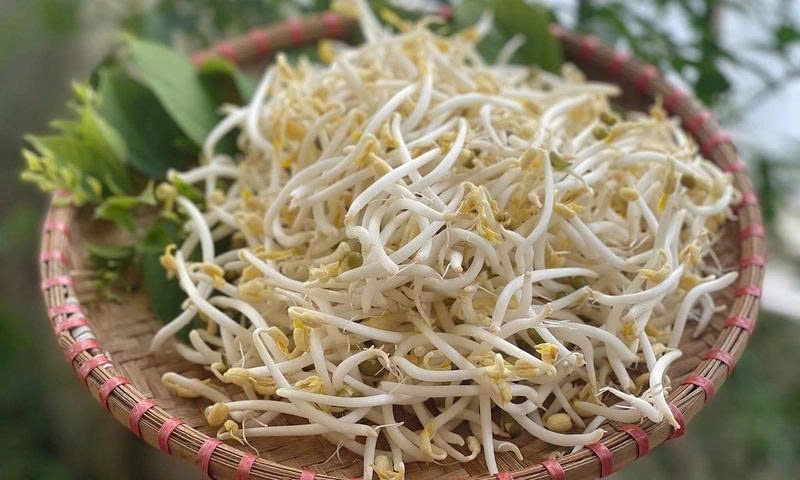
6. Sprouted Potatoes: A Different Risk From Cancer
Potatoes that develop sprouts are frequently mentioned in warnings about dangerous vegetables.
As discussed earlier, the main concern is that sprouting and certain storage conditions can be associated with increased levels of glycoalkaloids.
These compounds can cause illness when consumed in sufficiently large amounts.
The connection between sprouted potatoes and cancer, however, is not established in the way some alarming headlines imply.
For practical purposes, the relevant risk is potential poisoning rather than a proven increase in cancer risk from ordinary potato consumption.
Does removing the sprouts make a potato safe?
Sometimes, but the condition of the potato matters.
If a potato is firm, has only small sprouts, and shows no extensive greening or deterioration, removing the sprouts and affected areas may be reasonable.
A potato that is heavily sprouted, extensively green, soft, shriveled, or bitter should be discarded.
Do not rely on cooking to eliminate elevated glycoalkaloid levels, and do not eat a suspicious potato simply because you have cut away the visible sprouts.
What is the safest storage method?
Store potatoes in a cool, dark, dry place. Keep them away from prolonged light exposure, inspect them regularly, and avoid buying more than you can store appropriately.
Refrigeration is not always the preferred storage method for all potatoes, because very low temperatures can change their sugar content and influence cooking properties. Follow suitable local storage advice and the product's condition.
For households that purchase potatoes in bulk, buying manageable quantities and checking them before preparation can reduce waste and food-safety concerns.
7. Cassava: A Traditional Food That Requires Proper Preparation
Cassava is a major food crop in many tropical regions. It provides carbohydrates and can be processed into flour, starch, noodles, and other foods.
However, certain cassava varieties naturally contain cyanogenic compounds that can release cyanide if the food is not properly processed and prepared.
This is a recognized food-safety hazard, particularly when bitter varieties are consumed without adequate processing.
The primary concern is cyanide poisoning, not a simple direct relationship between eating cassava and developing cancer.
Why does cassava need special care?
The amount of cyanogenic compounds varies depending on the variety and growing conditions. Traditional processing methods may include peeling, soaking, fermenting, drying, or thoroughly cooking cassava, depending on the product and local practices.
The appropriate method varies by the cassava type and the food being prepared. Simply assuming that a brief rinse or a short cooking period will make every variety safe is not appropriate.
Improperly processed cassava can cause acute illness and, in circumstances involving repeated exposure and inadequate nutrition, may contribute to other serious health problems.
What should consumers do?
Buy cassava and cassava products from reliable sources, and follow established preparation instructions for the particular variety.
Do not consume raw cassava or experiment with unfamiliar preparation methods, especially if the variety is known to require extensive processing.
If you grow cassava or prepare traditional products at home, seek guidance from local agricultural or public-health authorities familiar with the varieties used in your area.
Cassava is an important food for many communities. The sensible response is not to label it a cancer-causing vegetable, but to recognize the need for proper processing to control naturally occurring toxins.
8. Raw Sprouts: A Food-Safety Risk That Is Often Misunderstood
Bean sprouts and other sprouted seeds are used in salads, soups, sandwiches, and stir-fried dishes.
They can be nutritious and provide texture, but raw sprouts have a distinctive food-safety risk.
The warm, humid conditions required for sprouting can also encourage harmful bacteria to multiply if contamination is present.
Pathogens such as Salmonella and certain strains of Escherichia coli have been associated with outbreaks involving raw or lightly cooked sprouts.
The challenge is that bacteria can be present in the seed before sprouting begins and may multiply during the growing process. Washing the finished sprouts may not remove all contamination.
This is different from claiming that sprouts cause cancer. The principal established concern is foodborne illness.
Are raw sprouts safe for everyone?
Raw sprouts can pose a greater risk for pregnant people, young children, older adults, and individuals with weakened immune systems.
For people in these groups, avoiding raw or lightly cooked sprouts and choosing thoroughly cooked alternatives can be a prudent measure.
Proper cooking reduces the risk posed by many harmful bacteria. However, the product should also be purchased from reliable sources and handled hygienically.
How should sprouts be handled?
Keep sprouts refrigerated and follow the product's storage instructions. Wash hands, utensils, and surfaces after handling raw sprouts, and avoid allowing their juices to contaminate foods that will not be cooked.
If sprouts are slimy, moldy, or have an unpleasant odor, discard them. But remember that harmful bacteria may be present even when sprouts look normal.
The important lesson is that visual inspection alone cannot establish microbiological safety.
Raw sprouts are not generally considered cancer-causing foods. Their main risk comes from the conditions under which they are produced and the possibility of contamination.
9. Nightshades, Tomatoes, Eggplants, and Peppers: Should You Avoid Them?
Tomatoes, eggplants, peppers, and potatoes belong to the nightshade family of plants. Their relationship has led to various health claims, including suggestions that they increase cancer risk.
For most people, there is no good reason to avoid these vegetables solely because they belong to the nightshade family.
Tomatoes provide nutrients such as vitamin C and contain lycopene, a carotenoid that gives many varieties their red color. Eggplants and peppers also supply useful nutrients and plant compounds.