Imagine a 73-year-old man who has spent years dealing with two common health concerns: fatty liver disease and persistent joint discomfort. After learning more about nutrition and making changes to his routine, he begins using one simple natural ingredient every day. Over time, he reports feeling better, experiencing less discomfort, and becoming more attentive to his overall health.
His experience may sound surprising, but it raises an important question: Can one natural remedy really support liver health and help relieve joint pain?
The answer requires some perspective. Certain foods and natural ingredients contain compounds that may support normal metabolic processes, reduce inflammation, or contribute to a healthier diet. However, no single food or home remedy has been proven to reverse fatty liver disease and cure joint pain at the same time.
The most effective approach usually involves several habits working together, including balanced nutrition, physical activity, weight management, and appropriate medical care.
Understanding the relationship between fatty liver, inflammation, joint health, and everyday nutrition can help older adults make safer and more informed decisions.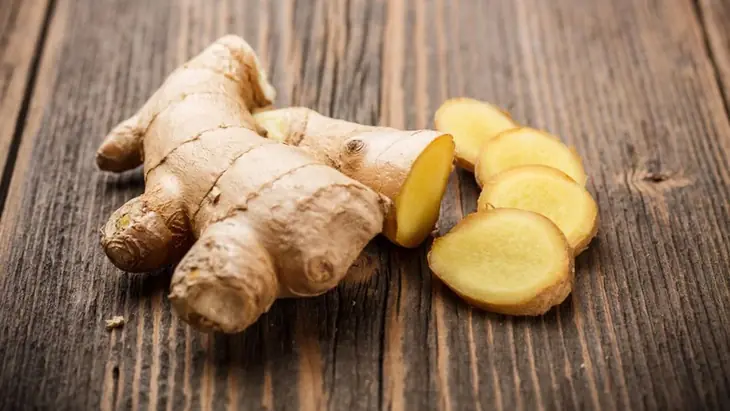
1. Why Fatty Liver Disease Becomes More Common With Age
Fatty liver disease occurs when excessive fat accumulates inside liver cells.
The liver naturally contains some fat, but an abnormal buildup can interfere with normal liver function and, in certain individuals, contribute to inflammation and tissue damage.
The condition is now commonly called metabolic dysfunction-associated steatotic liver disease (MASLD). It was previously known as nonalcoholic fatty liver disease, or NAFLD.
MASLD is closely associated with metabolic conditions such as:
-
Excess body weight, particularly abdominal fat.
-
Insulin resistance.
-
Type 2 diabetes.
-
High triglyceride levels.
-
High blood pressure.
-
Metabolic syndrome.
Age can also influence metabolic health. As people get older, they may become less physically active, lose muscle mass, experience changes in body composition, or develop conditions that affect how the body processes glucose and fat.
However, fatty liver is not an inevitable consequence of aging. It can affect younger adults as well.
One reason the condition is concerning is that it often produces no obvious symptoms during its early stages.
A person may have fatty liver for years without experiencing pain or noticeable changes in everyday functioning.
When symptoms do occur, they may include:
-
Persistent fatigue.
-
General discomfort in the upper-right abdomen.
-
A feeling of fullness beneath the ribs.
-
Reduced energy.
-
Unexplained weakness.
These symptoms are nonspecific and can occur with many other conditions.
Fatty liver is often discovered during an abdominal ultrasound, blood tests, or an evaluation for another health problem.
The important point is that feeling healthy does not necessarily mean the liver is free from fat accumulation or inflammation.
2. How Fatty Liver Can Progress If It Is Not Managed
Not everyone with fatty liver develops serious liver disease.
Many people have relatively mild fat accumulation without significant inflammation or scarring.
However, some individuals develop a more advanced condition known as metabolic dysfunction-associated steatohepatitis (MASH), previously called NASH.
MASH involves fat accumulation accompanied by liver-cell injury and inflammation.
Over time, ongoing inflammation can lead to fibrosis, which means scar tissue begins to form in the liver.
In some cases, fibrosis progresses to cirrhosis, a condition in which extensive scarring interferes with normal liver function.
Advanced liver disease can lead to complications such as:
-
Fluid accumulation in the abdomen.
-
Swelling in the legs.
-
Easy bruising or bleeding.
-
Jaundice, which causes yellowing of the skin and eyes.
-
Confusion or changes in mental function.
-
Increased risk of liver cancer.
These complications do not occur in everyone with fatty liver. The majority of people with simple steatosis will not progress to cirrhosis.
Nevertheless, identifying metabolic risk factors and monitoring liver health are important, particularly for older adults.
3. Why Joint Pain Often Becomes More Noticeable After 60
While fatty liver affects the body's metabolic and digestive systems, joint pain often develops through a different set of mechanisms.
One of the most common causes of joint discomfort in older adults is osteoarthritis.
Osteoarthritis is a degenerative joint condition involving changes in cartilage, bone, and other joint structures.
Healthy cartilage helps bones move smoothly against one another. As the joint changes over time, cartilage may become damaged, the underlying bone may remodel, and inflammation can contribute to pain and stiffness.
Common symptoms include:
-
Stiffness after waking up.
-
Pain during movement.
-
Swelling around affected joints.
-
Reduced flexibility.
-
Difficulty climbing stairs.
-
Discomfort when standing for long periods.
-
Pain that becomes worse after excessive activity.
The knees, hips, hands, and spine are frequently affected.
However, joint pain is not always caused by osteoarthritis. Other possibilities include rheumatoid arthritis, gout, injuries, tendon problems, and infections.
Age increases the likelihood of certain joint conditions, but persistent pain should not automatically be dismissed as normal aging.
An accurate diagnosis matters because different conditions require different treatments.