Ingredients:
-
One cup of water.
-
A few thin slices of fresh ginger.
-
Approximately one-quarter teaspoon of ground turmeric.
-
A small amount of lemon juice, if desired.
-
A little honey for taste, if appropriate.
Preparation:
-
Heat the water until it is warm or gently simmering.
-
Add the ginger slices.
-
Allow them to steep for approximately five to ten minutes.
-
Add the turmeric and stir thoroughly.
-
Allow the drink to cool slightly.
-
Add lemon juice if desired.
-
Enjoy it as part of a balanced diet.
There is no scientifically established daily dose of this drink for reversing fatty liver or treating joint pain.
People with diabetes should be mindful of added honey or sugar.
Individuals taking medication, especially blood thinners, should discuss regular use of concentrated turmeric or ginger supplements with a healthcare professional.
Food-level amounts are generally different from high-dose extracts, which may have stronger effects and additional risks.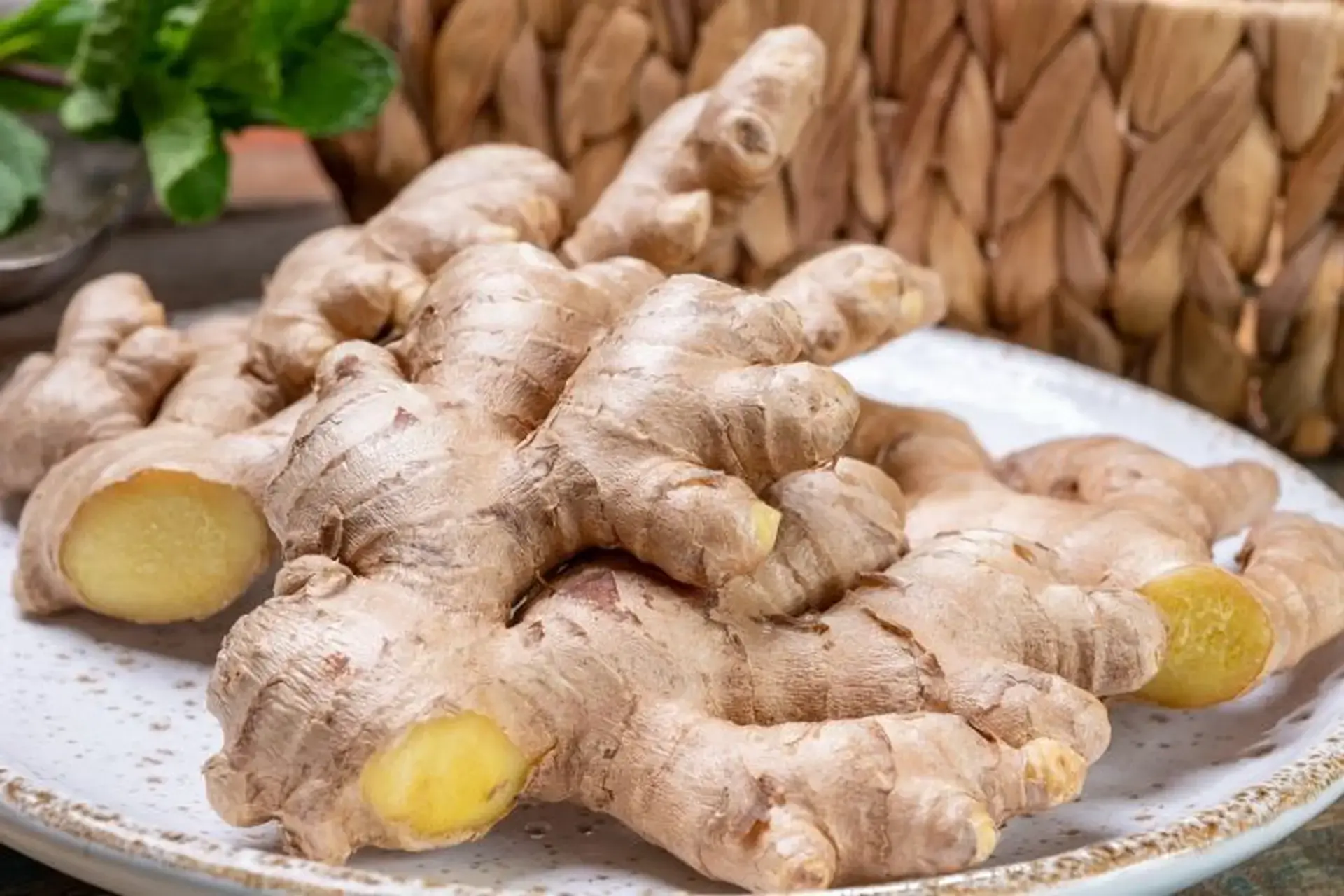
9. Why Natural Does Not Always Mean Safe
A common misconception is that natural ingredients cannot cause side effects.
In reality, herbal products and concentrated supplements can interact with medication or affect the liver.
Turmeric supplements have been associated with rare cases of clinically significant liver injury, particularly with some highly concentrated or enhanced-absorption formulations.
Products containing piperine, a compound found in black pepper, may increase curcumin absorption. This can also change the way the body processes certain medications.
Ginger supplements may affect blood clotting in some circumstances, although the clinical significance depends on the preparation and dose.
People who take anticoagulants, antiplatelet medication, diabetes medication, or blood pressure medication should discuss regular supplement use with a clinician or pharmacist.
Older adults may be especially vulnerable to interactions because they often take several medications at the same time.
Anyone who develops dark urine, yellowing of the skin or eyes, unusual fatigue, persistent nausea, or abdominal discomfort after starting a supplement should stop using it and seek medical advice.
The safest principle is to use ordinary culinary ingredients in reasonable amounts and avoid assuming that high-dose supplements are automatically better.
10. The Most Important Natural Strategy for Fatty Liver: Improving Metabolic Health
Although turmeric and ginger attract attention, the strongest lifestyle evidence for improving fatty liver focuses on sustainable changes in diet, physical activity, and body weight.
For people who are overweight or have obesity, gradual weight loss can significantly reduce liver fat.
Research suggests that losing approximately 3% to 5% of body weight may reduce liver fat in many individuals.
Greater weight loss, sometimes around 7% to 10% or more, may be needed to improve inflammation and, in some cases, fibrosis.
These targets are general clinical observations, not universal prescriptions. The appropriate goal depends on the person's health, nutritional status, and medical circumstances.
Older adults should avoid extreme diets or rapid weight loss because these approaches can lead to muscle loss, nutritional deficiencies, and weakness.
A gradual, sustainable approach is generally safer.
Focus on whole foods
A Mediterranean-style eating pattern is often recommended for people with metabolic risk factors and fatty liver.
It emphasizes:
-
Vegetables.
-
Fresh fruit.
-
Whole grains.
-
Beans and lentils.
-
Nuts and seeds.
-
Fish.
-
Olive oil.
-
Moderate portions of lean protein.
This pattern provides fiber, healthy fats, vitamins, minerals, and plant compounds that support overall metabolic health.
Reduce sugary drinks
Sugar-sweetened beverages are an important source of added sugar.
Soft drinks, sweetened tea, energy drinks, and packaged fruit drinks can contribute excess calories and metabolic problems.
Reducing these beverages and choosing water or unsweetened drinks can support better metabolic health.
Limit highly processed foods
Foods high in added sugar, refined carbohydrates, and unhealthy fats can make it harder to maintain a healthy weight and manage blood sugar.
This does not mean every processed food must be eliminated.
The goal is to make nutrient-rich, minimally processed foods the foundation of everyday meals.
Be careful with alcohol
Alcohol can contribute to liver injury and may worsen existing liver problems.
People with fatty liver should discuss alcohol consumption with their healthcare professional, particularly if there is evidence of inflammation or fibrosis.
Avoiding alcohol is especially important for individuals with advanced liver disease.
11. Foods That May Support a Healthier Liver
No food can directly cleanse the liver or remove all accumulated fat.
However, certain foods can support metabolic health and fit into a liver-friendly eating pattern.
Leafy green vegetables
Spinach, kale, broccoli, and other vegetables provide fiber and a range of vitamins and plant compounds.
They can help make meals more filling without adding excessive calories.
Berries
Blueberries, strawberries, and raspberries contain fiber and polyphenols.
These compounds have been investigated for their potential antioxidant and metabolic effects.
Fatty fish
Salmon, sardines, and mackerel provide omega-3 fatty acids.
Omega-3 supplements can reduce triglyceride levels in some people, but they are not established treatments for reversing fatty liver fibrosis.
Nuts
Walnuts, almonds, and other unsalted nuts provide unsaturated fats, fiber, and plant nutrients.
Eating moderate portions can support a balanced dietary pattern.
Coffee
Unsweetened coffee has been associated in observational research with a lower risk of advanced liver disease in some populations.
However, observational associations do not prove that coffee prevents or reverses liver disease.