Depending on the result, additional testing may be recommended.
FibroScan
Transient elastography, commonly known by the brand name FibroScan, measures liver stiffness and can estimate liver fat using a related measurement.
These tests help clinicians identify people who may need closer monitoring or specialist care.
The appropriate evaluation depends on age, medical history, laboratory results, and individual risk factors.
17. A Practical Daily Routine for Supporting Liver and Joint Health
Rather than depending on one miracle ingredient, a 73-year-old adult can build a realistic daily routine around several habits.
Morning
Begin the day with water and a balanced breakfast.
A meal containing whole grains, fruit, and a source of protein can provide energy without relying on large amounts of added sugar.
Gentle stretching or a short walk may help reduce morning stiffness.
Midday
Include vegetables, beans, whole grains, and a suitable protein source at lunch.
Take a short walk after eating if mobility allows.
Avoid sitting continuously for several hours.
Afternoon
Choose a low-impact activity such as cycling, swimming, or resistance exercises appropriate for your physical condition.
If joint pain increases significantly, reduce the intensity and discuss the symptoms with a healthcare professional.
Evening
Eat a balanced dinner and avoid excessive portions.
Limit alcohol and sugary beverages.
Maintain a regular bedtime and aim for sufficient sleep.
If turmeric or ginger is part of the routine, use ordinary culinary quantities unless a healthcare professional has advised otherwise.
The objective is consistency, not perfection.
Small habits repeated over months can have more meaningful effects than an aggressive routine followed for only a few days.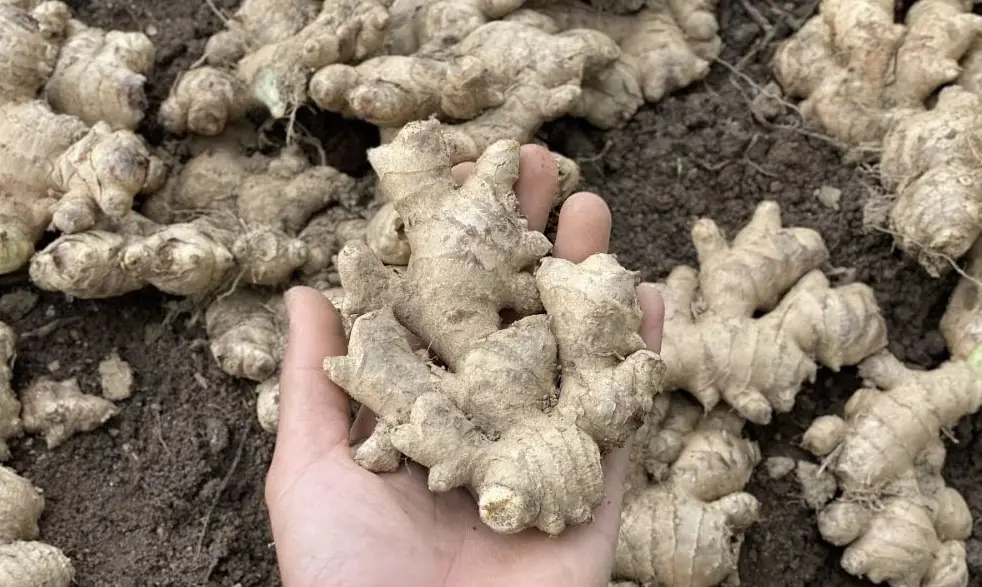
18. Why Regular Medical Checkups Still Matter at 73
A personal story about feeling better after using a natural ingredient can be encouraging.
However, subjective improvement does not necessarily mean that fatty liver has reversed or that joint damage has disappeared.
For example, a person may experience less joint pain because they are moving more, losing some weight, improving sleep, or taking better care of their overall health.
Likewise, liver enzymes may improve without proving that all liver fat or fibrosis has disappeared.
Objective medical assessment is needed to evaluate changes in liver health.
Older adults should discuss the following with their healthcare team:
-
Whether fatty liver has been confirmed.
-
Whether there is evidence of liver inflammation or fibrosis.
-
Whether diabetes, cholesterol, or blood pressure needs treatment.
-
Whether joint pain is caused by osteoarthritis or another condition.
-
Whether supplements could interact with existing medications.
-
Which forms of exercise are appropriate.
Regular follow-up helps ensure that lifestyle changes complement, rather than replace, necessary medical treatment.
19. The Biggest Mistake: Believing One Natural Remedy Can Replace Medical Care
The popularity of natural remedies has grown because people want simple ways to improve their health.
There is nothing wrong with including nutritious foods, herbs, and spices in everyday meals.
The problem begins when a natural ingredient is presented as a guaranteed treatment for a medical condition.
Fatty liver disease is influenced by complex metabolic processes. Joint pain can result from several different diseases and injuries.
No single drink, spice, or supplement has been established as a cure for both conditions.
Some supplements may also cause side effects, interact with medication, or even contribute to liver injury.
People with diagnosed fatty liver should not stop prescribed medication or cancel medical appointments because they feel better after using a natural product.
Similarly, people with persistent joint pain should not delay evaluation if the symptoms are severe, progressive, or associated with swelling and redness.
Natural ingredients may have a place in a healthy lifestyle, but evidence-based care remains essential.
Final Thoughts: At 73, Better Health May Begin With Small Daily Choices
The story of a 73-year-old man who believes one daily natural remedy helped improve his fatty liver and relieve joint pain is an interesting reminder that people can make meaningful changes to their health at almost any age.
Turmeric, ginger, and other plant-based ingredients contain compounds that researchers continue to study for their potential anti-inflammatory and metabolic effects.
However, there is no reliable scientific evidence that one daily natural remedy can independently reverse fatty liver disease and cure joint pain.
The strongest approach is a combination of sustainable habits.
Choose a balanced diet rich in vegetables, fruits, whole grains, and healthy fats. Reduce sugary drinks and highly processed foods. Maintain a healthy weight without sacrificing muscle. Stay physically active through exercises that protect the joints. Avoid smoking, limit or avoid alcohol as medically appropriate, and follow professional advice about supplements and medication.
Most importantly, do not judge liver health or joint recovery solely by how you feel.
Medical testing can help determine whether liver fat, inflammation, or fibrosis has actually improved. A proper joint assessment can identify the cause of pain and guide appropriate treatment.
At 73, the goal is not to find a magical shortcut. It is to protect mobility, preserve independence, support metabolic health, and enjoy a better quality of life for as long as possible.
Sometimes, the most powerful daily remedy is not a single ingredient at all. It is the combination of informed choices, consistent habits, and appropriate medical care.