A severe allergic reaction, known as anaphylaxis, can cause swelling of the throat, breathing difficulties, dizziness, or collapse.
These symptoms require immediate emergency care.
Food intolerance is different from a food allergy. Intolerance generally involves digestive symptoms and does not activate the immune system in the same way.
If you repeatedly develop symptoms after eating sweet potatoes, stop eating them until you have received appropriate medical advice. A healthcare professional can help determine whether the problem is an allergy, intolerance, or another condition.
People who have experienced a severe allergic reaction should not test their tolerance by eating a small amount at home.
For most people, sweet potatoes are not a common allergen, and there is no reason to avoid them simply because food allergies exist.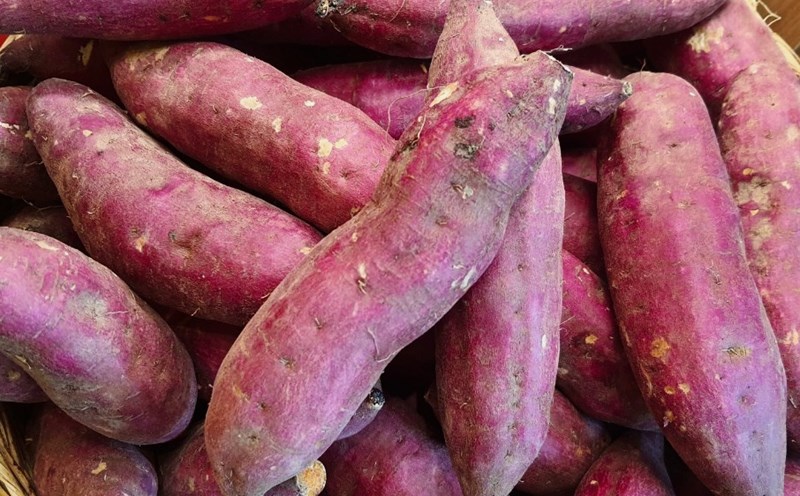
7. People Taking Certain Medications Should Consider Their Overall Potassium Intake
Sweet potatoes can be relevant to people taking medications that affect potassium balance.
Some medicines used for high blood pressure, heart failure, and kidney disease can increase potassium levels. Examples include certain angiotensin-converting enzyme inhibitors, angiotensin receptor blockers, and potassium-sparing diuretics.
These medications are often prescribed because they provide important benefits. The fact that they can affect potassium does not mean that patients should stop taking them.
Instead, people taking these medications may need blood tests and dietary advice based on their kidney function and potassium levels.
Sweet potatoes are only one potential source of potassium. Other foods, supplements, and salt substitutes may contribute as well.
Some salt substitutes contain potassium chloride and can substantially increase potassium intake. For a person at risk of hyperkalemia, these products may be more important to review than any single vegetable.
What can help?
If you take medication that affects potassium, ask your healthcare professional whether you need dietary restrictions.
Do not automatically eliminate sweet potatoes unless your clinician has advised you to do so. Your potassium level, kidney function, medication dose, and other dietary sources all matter.
Never stop prescribed medication or change the dose because of a food-related concern without consulting the prescribing professional.
8. People Who Eat Sweet Potatoes With Large Amounts of Sugar Should Rethink the Recipe
Sweet potatoes have a naturally sweet flavor, which makes them suitable for both savory and sweet dishes.
However, some recipes add considerable amounts of sugar, honey, syrup, sweetened condensed milk, or other sweeteners.
For people managing diabetes, trying to reduce added sugar, or monitoring their calorie intake, these additions can make a meaningful difference.
The natural carbohydrates in sweet potatoes already contribute to blood glucose. Adding sugar increases the carbohydrate content of the meal without providing much additional nutritional value.
For example, a plain baked sweet potato served with fish and vegetables is nutritionally different from a dessert made with mashed sweet potatoes, sugar, butter, and sweetened condensed milk.
The second dish may still be enjoyable, but it is more energy-dense and can contain considerably more added sugar.
What can help?
Try cinnamon, nutmeg, ginger, or other spices to enhance the natural sweetness of sweet potatoes without relying on large amounts of added sugar.
If you prefer a sweeter dish, begin with less sugar than the recipe recommends and adjust according to taste.
People with diabetes should consider the total carbohydrate content of the complete meal rather than assuming that a naturally sweet food is automatically unsuitable or automatically safe.
The goal is not to eliminate every sweet dish. It is to understand the difference between the food's natural nutrients and the additional ingredients used to prepare it.
9. People Who Rely on Sweet Potatoes as Their Main Food Source Need More Variety
Sweet potatoes provide several important nutrients, but no single food can meet every nutritional requirement.
They are rich in carbohydrates and can provide fiber, potassium, and beta-carotene. Orange-fleshed varieties are particularly rich in beta-carotene, which the body can convert into vitamin A.
However, sweet potatoes do not provide enough protein or fat to serve as the sole foundation of a nutritionally complete diet.
Relying too heavily on one food can reduce the variety of nutrients available from other foods. Over time, a highly restricted diet may make it more difficult to obtain adequate protein, essential fatty acids, vitamin B12, and other nutrients.
This concern is especially relevant for older adults, people with limited food access, individuals recovering from illness, and those following restrictive diets without professional guidance.
Sweet potatoes can be a valuable part of a balanced eating pattern, but they work best alongside other foods.
What can help?
Build meals around a variety of ingredients, including:
-
Protein sources such as eggs, fish, poultry, tofu, beans, or lentils.
-
Vegetables with different colors and nutrient profiles.
-
Fruits that provide fiber and vitamin C.
-
Whole grains or other carbohydrate sources, depending on your needs.
-
Appropriate sources of healthy fats, such as nuts, seeds, and vegetable oils.
A varied diet is generally more useful than attempting to obtain all your nutrition from a single supposedly perfect food.
10. Is It Better to Eat Sweet Potatoes Boiled, Baked, or Fried?
The way sweet potatoes are prepared can influence their calorie content, texture, and the way their carbohydrates are digested.
There is no single cooking method that is best for every person, but some options make it easier to control added fat and sugar.
Boiled sweet potatoes
Boiling sweet potatoes is a straightforward way to prepare them without adding much fat.
Because the potatoes are cooked in water, they can become soft and easy to eat. Some water-soluble nutrients may leach into the cooking water, and the extent of this loss depends on cooking time, the size of the pieces, and other factors.