If you have kidney disease and develop symptoms that might indicate a serious electrolyte disturbance, do not attempt to diagnose the problem based on food intake alone. High potassium can sometimes cause few obvious symptoms until a dangerous abnormality develops.
Symptoms such as marked muscle weakness, palpitations, fainting, or chest discomfort require urgent medical assessment, particularly in people with kidney disease or medications that affect potassium.
Likewise, symptoms of a severe allergic reaction—including difficulty breathing, swelling of the tongue or throat, or collapse—require emergency treatment.
Do not assume that every unpleasant symptom after eating sweet potatoes is caused by the food itself. Other ingredients, infections, medication effects, and unrelated medical conditions may be responsible.
Keeping a record of what you ate, the portion size, and the timing of symptoms can help a clinician identify possible patterns.
15. Practical Tips for Including Sweet Potatoes in a Healthy Diet
If you enjoy sweet potatoes, a few straightforward habits can help you get their nutritional benefits while managing potential concerns.
Choose simple preparation methods. Boiling, steaming, and baking can help you control added fat and sugar.
Pay attention to portions. Large servings can contribute substantial amounts of carbohydrates and calories, even when the food is nutritious.
Pair them with protein. Fish, eggs, tofu, beans, and other suitable protein sources can help make a meal more balanced.
Add other vegetables. Different vegetables provide different vitamins, minerals, and plant compounds.
Limit excessive sodium. Heavy seasoning, salty sauces, and processed toppings can make a meal less suitable for people who need to manage blood pressure.
Be cautious with added sugar. Sweet potatoes already have a naturally sweet flavor, so many recipes can be prepared with little or no additional sugar.
Follow individualized medical advice. If you have diabetes, chronic kidney disease, recurrent kidney stones, or another condition that affects nutrition, your dietary requirements may differ from those of the general population.
These steps are practical, flexible, and more useful than following blanket rules that label a common vegetable as either universally healthy or universally dangerous.
Frequently Asked Questions About Sweet Potatoes
Are sweet potatoes safe for people with high blood pressure?
Sweet potatoes can fit into many diets designed to support healthy blood pressure. They provide potassium, which plays a role in blood pressure regulation.
However, people with kidney disease or certain medication-related risks may need to monitor potassium. Added salt and salty sauces can also affect the overall suitability of a meal.
Can people with diabetes eat sweet potatoes at night?
There is no universal rule that people with diabetes must avoid sweet potatoes at night.
The more important considerations are portion size, total carbohydrate intake, medication, activity, and individual blood glucose response.
A moderate portion can fit into an evening meal if it aligns with the person's diabetes management plan.
Are sweet potatoes better than white potatoes?
Neither food is automatically better in every situation.
Sweet potatoes are particularly rich in beta-carotene, especially orange varieties. White potatoes also provide useful nutrients, including potassium and vitamin C.
The best choice depends on the person's dietary needs, preparation method, portion size, and overall eating pattern.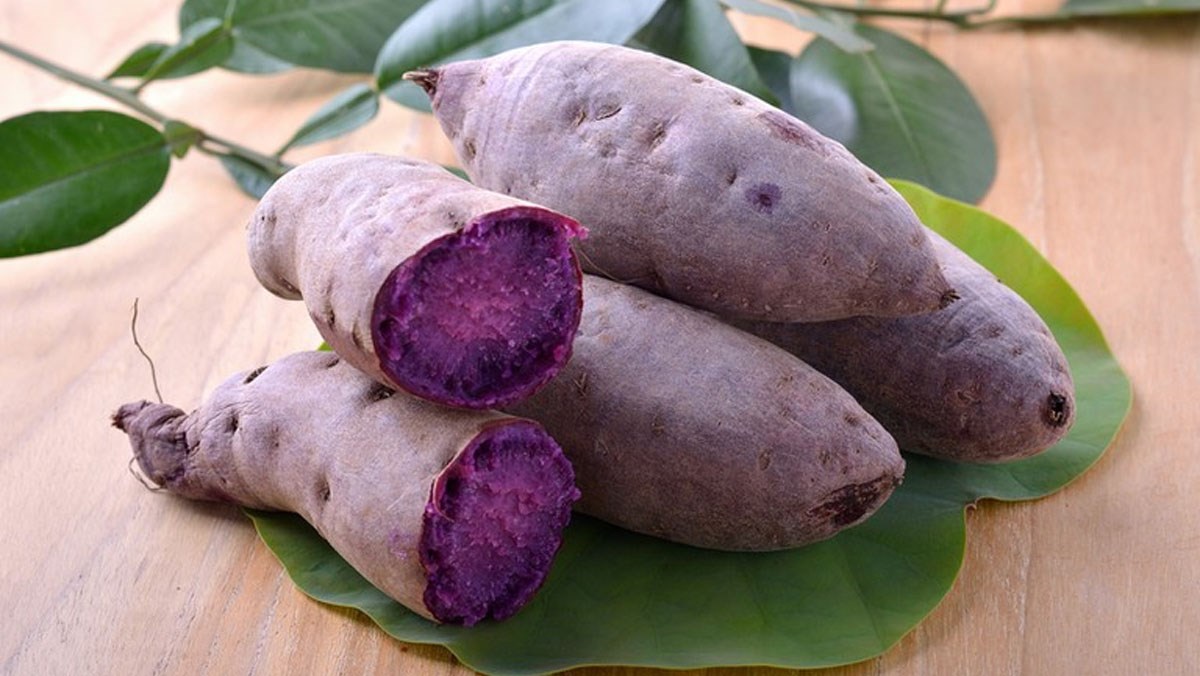
Should people with kidney stones stop eating sweet potatoes?
Not necessarily.
Sweet potatoes contain oxalates, but the need to limit them depends on the type of kidney stones and the person's individual risk factors.
People with recurrent calcium oxalate stones should ask their healthcare professional whether oxalate restriction is appropriate.
Is the skin of a sweet potato healthy?
The skin contains fiber and other plant compounds. Eating it can contribute to overall nutrient intake, provided the potato is washed thoroughly and prepared safely.
However, people who need a specific potassium or oxalate restriction should discuss preparation and portion sizes with a qualified professional rather than assuming that eating or removing the skin resolves the issue.
Can sweet potatoes damage healthy kidneys?
There is no good evidence that ordinary servings of sweet potatoes damage healthy kidneys.
The main concern is for people who already have conditions affecting potassium regulation or who have been given specific dietary restrictions.
For most healthy adults, sweet potatoes can be part of a varied diet.
Final Thoughts: Sweet Potatoes Can Be Healthy, but Your Individual Needs Matter
Sweet potatoes are nutritious foods that can support a balanced diet. They provide fiber, potassium, carbohydrates, and, particularly in orange-fleshed varieties, beta-carotene.
For most people, there is no reason to fear them or eliminate them from the menu.
However, certain individuals should pay closer attention to portion sizes and preparation methods. People with diabetes may need to account for carbohydrates. Those with chronic kidney disease may need to monitor potassium. Individuals prone to calcium oxalate kidney stones may benefit from personalized advice about oxalate intake. People with a genuine allergy should avoid the food and seek appropriate medical guidance.
The key is to distinguish between a food that requires individualized consideration and a food that is inherently dangerous. Sweet potatoes belong in the first category.
A balanced diet does not depend on finding one perfect food or avoiding every ingredient that has a potential downside. It depends on variety, appropriate portions, safe preparation, and choices that reflect your own health needs.
If you have a medical condition that affects blood glucose, kidney function, or mineral balance, ask your healthcare professional or registered dietitian how sweet potatoes fit into your diet.
The bottom line: Sweet potatoes can be an excellent addition to a healthy eating plan, but the right portion and preparation depend on your individual circumstances. Enjoy them thoughtfully, maintain dietary variety, and rely on personalized medical advice rather than alarming food myths.