Doctors Reveal: 5 Subtle Signs That May Deserve a Closer Look
5 Possible Health Warning Signs Many People Overlook—Don’t Miss These
⏱️ 1 min read 10/08/2026 21:05
Have you ever wondered whether it’s better to shower in the morning or at night?
For some people, a morning shower is the perfect way to wake up and feel refreshed. For others, showering before bed feels more relaxing and helps them transition from a busy day into a restful evening.
So, is one time actually better than the other?
The answer may depend on your routine, your skin, your activity level, and even how you feel before going to bed. While there is no universal “perfect” shower time for everyone, morning and nighttime showers can have different advantages.
For many people, a morning shower is less about getting clean and more about feeling awake.
A shower can become a useful part of your morning routine, helping you transition from sleep to your daily activities. The sensation of water, along with washing your face and body, may simply make you feel more alert and ready to begin the day.
A morning shower can also be particularly useful if you tend to sweat during the night or wake up feeling oily.
And if you exercise early in the morning, showering afterward can help remove sweat and keep your skin feeling clean.
If your morning shower is very hot and lasts a long time, it may leave your skin feeling dry or irritated. This is especially noticeable for people who already have sensitive or dry skin.
Using lukewarm water instead of extremely hot water and avoiding unnecessarily long showers can be gentler on your skin.
If you spend the day outdoors, commute through traffic, exercise, or simply stay active for hours, a nighttime shower can wash away sweat, dirt, sunscreen, and other substances that have accumulated on your skin.
For some people, showering at night also becomes a relaxing ritual.
A warm shower in the evening may help you feel more comfortable and relaxed before bed. Some research has suggested that bathing or showering with warm water before bedtime may help support sleep when timed appropriately, partly because the body naturally cools down afterward.
That doesn’t mean a nighttime shower will automatically make everyone sleep better. But if showering helps you relax and establish a consistent bedtime routine, it may be a useful habit.
This is where timing may matter.
Your body naturally experiences changes in temperature as you move toward sleep. A warm shower or bath can temporarily raise your body temperature. Afterward, the body begins releasing that heat, which may contribute to the natural cooling process associated with preparing for sleep.
However, the goal isn't to make the shower unbearably hot.
A comfortably warm shower is generally more practical than extremely hot water. And if you notice that showering immediately before bed makes you feel more awake rather than relaxed, try moving it earlier in the evening.
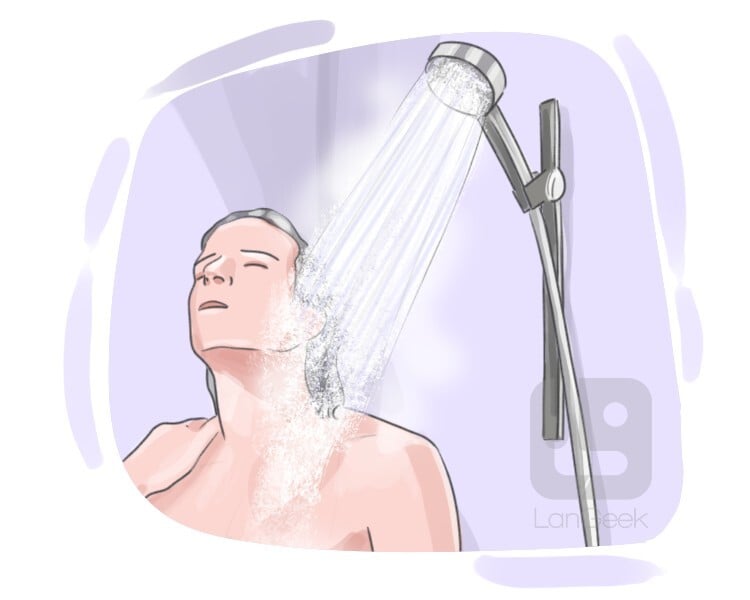
Your skin may also influence whether morning or nighttime showers work better for you.
Frequent, long, hot showers can strip some of the skin's natural oils and potentially contribute to dryness. This can happen regardless of whether you shower in the morning or at night.
Instead of focusing only on the clock, pay attention to how you shower.
Consider:
For people with sensitive skin, these factors may matter more than whether the shower happens at 7 a.m. or 10 p.m.
If you exercise, the best shower time may be surprisingly simple:
Shower after you sweat.
Whether your workout happens in the morning, afternoon, or evening, washing afterward can help remove sweat and keep you feeling comfortable.
You don't necessarily need to wait until nighttime simply because that's your usual shower schedule.
If you work out before bed, a post-workout shower can become part of your evening routine. If you exercise first thing in the morning, showering afterward may make more sense.
For some people, yes.
A morning shower may be a good choice if you:
But there is no rule saying everyone needs to shower first thing in the morning.
It can be, especially if you:
For many people, nighttime showering can also help keep their bedding cleaner by reducing the amount of sweat, dirt, and products transferred from the body to the sheets.
Interestingly, the biggest issue may not be when you shower, but how you shower.
Taking very hot showers for a long time can be harsh on your skin. Scrubbing too aggressively may also cause irritation.
And if you have particularly dry, itchy, or sensitive skin, your shower routine deserves more attention.
Another common mistake is immediately rubbing the skin completely dry with a rough towel. Patting the skin gently and applying moisturizer while the skin is still slightly damp may be more comfortable for people prone to dryness.
There isn't a single answer that applies to everyone.
If a morning shower makes you feel refreshed and ready for the day, there's no reason to stop.
If a nighttime shower helps you unwind and feel clean before bed, that may be the better choice for you.
And for some people, showering both morning and night may be appropriate—but doing so excessively, especially with hot water and harsh cleansers, can contribute to dry or irritated skin.
Ultimately, your routine, activity level, skin needs, and personal preference should guide your decision.
Morning and nighttime showers can both have benefits.
A morning shower may help you feel refreshed and ready to start the day, while a nighttime shower can help remove sweat, dirt, and products accumulated throughout the day and may fit naturally into a relaxing bedtime routine.
So, don't worry too much about choosing the “perfect” hour.
Instead, focus on using comfortable water temperatures, avoiding excessively long showers, caring for your skin, and choosing the time that works best with your lifestyle.
Morning or night? The best shower time may simply be the one that leaves you feeling clean, comfortable, and refreshed.
5 Possible Health Warning Signs Many People Overlook—Don’t Miss These
You Wake Up at 3 or 4 A.M. Every Night? Here’s What Might Be Behind It… 👇
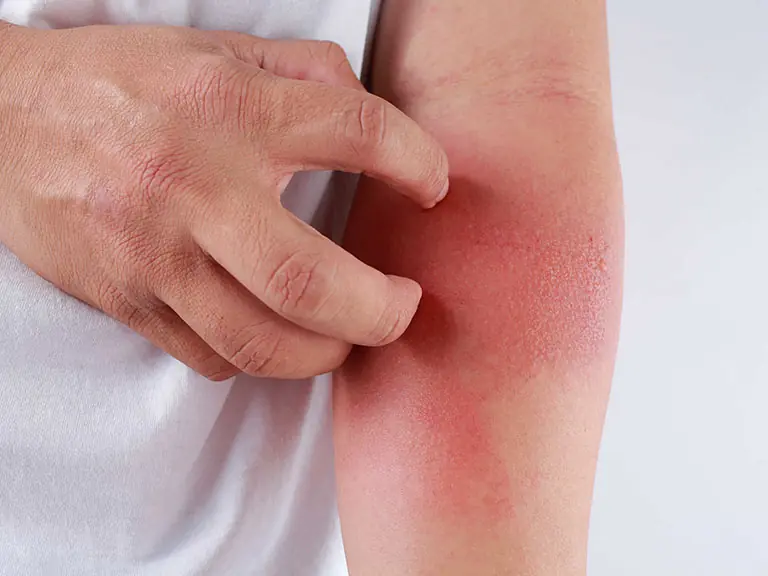
Sudden Itching and Skin Bumps? Here Are Some Possible Reasons… 👇
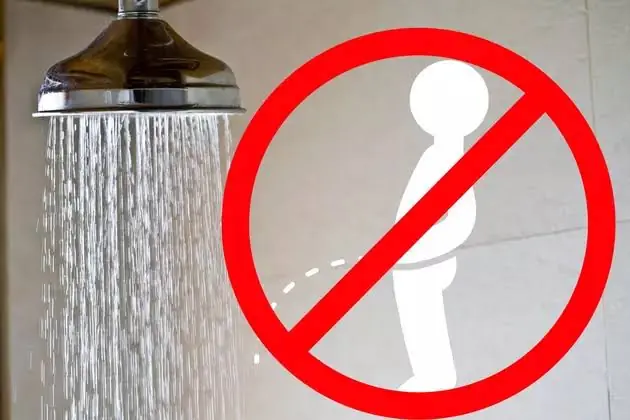
Peeing in the Shower: Convenient Habit or Something to Rethink?
Those Painful Leg Cramps at Night May Have Several Possible Causes… 👇
Eating Peanuts Daily: 8 Things Your Body May Notice Over Time
What Not to Put in a Toaster: Common Mistakes and Hidden Hazards
Could These 5 Drinks Affect Your Bone Health? Here’s What to Know
Doctors Explain How Mangoes May Benefit Your Health
Know Your Bre.asts: 10 Changes That May Need Medical Attention
5 Common Foods to Watch If You're Concerned About Can.cer Risk
Could This Simple Bedtime Habit Help Lower Heart Health Risks?
7 important signs of arthritis you shouldn’t miss
How to eliminate bacteria linked to bloating and heartburn
10 warning signs of gluten sensitivity you shouldn’t ignore
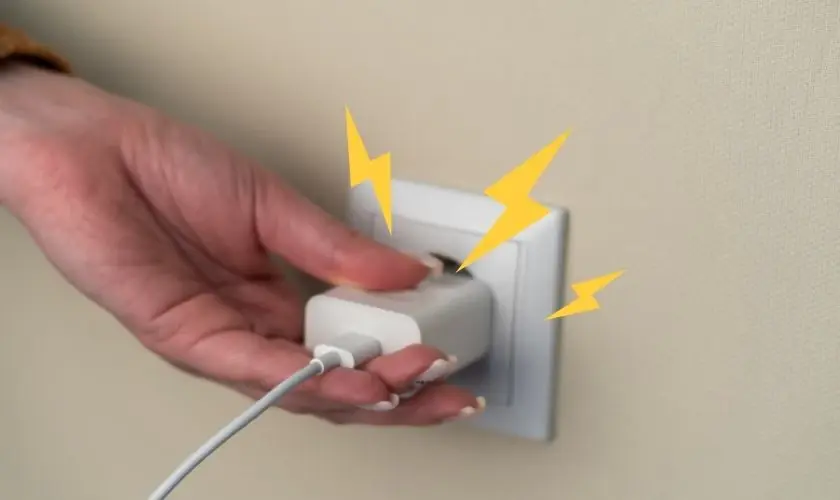
Leaving Your Charger Plugged In? 6 Reasons You May Want to Unplug It
6 overlooked foot signs that could indicate serious health issues
What Science Says About Eating Tomatoes Regularly?
A high-profile wedding ceremony at an exclusive venue was thrown into absolute chaos and disbelief yesterday, following an unprecedented confrontation at the altar. What was supposed to be a glamorous celebration of union between two elite families turned
5 Possible Health Warning Signs Many People Overlook—Don’t Miss These
A serious case of domestic violence occurred at a lavish party, where a young mother was brutally attacked by her husband and his family while holding her newborn child.
You Wake Up at 3 or 4 A.M. Every Night? Here’s What Might Be Behind It… 👇
Sudden Itching and Skin Bumps? Here Are Some Possible Reasons… 👇
Peeing in the Shower: Convenient Habit or Something to Rethink?
Chin Hair in Women Can Happen for Many Reasons—Here’s What to Look For… See More
Those Painful Leg Cramps at Night May Have Several Possible Causes… 👇
Eating Peanuts Daily: 8 Things Your Body May Notice Over Time
What Not to Put in a Toaster: Common Mistakes and Hidden Hazards
The Chairman Who Chose Friendship Over Power
Betrayed by the Two People He Trusted Most
Could These 5 Drinks Affect Your Bone Health? Here’s What to Know
Doctors Explain How Mangoes May Benefit Your Health
THE CHAIRMAN EVERYONE THOUGHT WAS CRAZY
Know Your Bre.asts: 10 Changes That May Need Medical Attention
5 Common Foods to Watch If You're Concerned About Can.cer Risk