It's Not Spicy Food: These Are the 4 Biggest Risk Factors for Stomach Cancer
For years, many people have believed that eating spicy food is one of the main causes of stomach cancer. While spicy foods may trigger heartburn or stomach discomfort in some individuals, current research does not show that they directly cause stomach cancer. Instead, experts point to several other risk factors that have much stronger scientific evidence behind them.
Understanding these risk factors can help you make informed choices and recognize when it's time to talk with a healthcare professional.
1. Helicobacter pylori (H. pylori) Infection

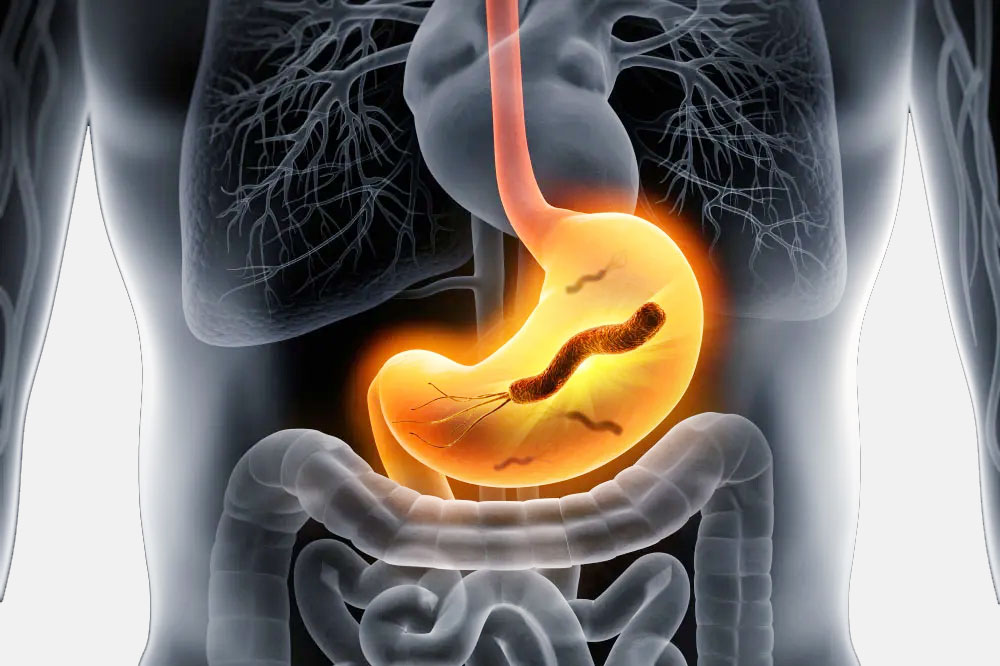
One of the most significant risk factors for stomach cancer is infection with Helicobacter pylori (H. pylori), a bacterium that can live in the stomach lining.
Many people with H. pylori never experience symptoms. However, in some individuals, long-term infection can lead to chronic inflammation, stomach ulcers, and changes in the stomach lining that increase the risk of stomach cancer over time. Fortunately, H. pylori can often be detected with medical testing and treated with antibiotics when appropriate.
2. A Diet High in Salted and Processed Foods
Your daily eating habits also matter.
Research suggests that diets high in:
- Salt-preserved foods
- Smoked meats
- Pickled vegetables
- Processed meats
may increase the risk of stomach cancer, especially when consumed regularly over many years.
Excess salt may damage the stomach lining, making it more vulnerable to chronic inflammation and the effects of H. pylori. On the other hand, diets rich in fresh fruits and vegetables appear to be associated with a lower risk.
3. Smoking
Smoking affects much more than the lungs.
Tobacco use is a well-established risk factor for stomach cancer. Harmful chemicals in cigarette smoke can damage cells throughout the digestive tract and may also make treatment for H. pylori infection less effective.
The good news is that quitting smoking can gradually reduce this risk over time, while also lowering the likelihood of many other serious diseases.
4. Family History and Certain Medical Conditions
Some people have a higher risk because of factors they cannot control.
These include:
- A close family member with stomach cancer
- Certain inherited genetic syndromes
- Chronic atrophic gastritis
- Pernicious anemia
- Some stomach polyps
- Long-standing gastroesophageal reflux disease (GERD) for cancers affecting the upper stomach
- Obesity, which is associated with a higher risk of cancers near where the stomach meets the esophagus
So... What About Spicy Food?
Despite its reputation, spicy food itself has not been proven to directly cause stomach cancer.
Some studies have explored whether consuming very large amounts of spicy foods might influence risk, but the overall evidence is mixed and inconclusive. Experts generally agree that factors such as H. pylori infection, smoking, excess salt intake, and certain medical conditions play a much larger role than spicy food alone.
Possible Warning Signs of Stomach Cancer
Early stomach cancer often causes few or no symptoms. As the disease progresses, some people may experience:
- Persistent stomach pain
- Indigestion that doesn't improve
- Feeling full after eating small amounts
- Unexplained weight loss
- Loss of appetite
- Nausea or vomiting
- Black or bloody stools
- Fatigue related to anemia
These symptoms can have many possible causes besides cancer, but persistent or worsening symptoms should be evaluated by a healthcare professional.

Can You Lower Your Risk?
Although not every case can be prevented, several healthy habits may help reduce your risk:
- Get evaluated if you have persistent stomach symptoms or think you may have H. pylori infection.
- Eat more fruits and vegetables.
- Limit heavily salted, smoked, and processed foods.
- Avoid smoking and, if you drink alcohol, do so in moderation.
- Maintain a healthy weight.
- Follow up regularly if you have a strong family history or chronic stomach conditions.
The Bottom Line
It's easy to blame spicy food, but today's medical evidence points elsewhere. H. pylori infection, smoking, diets high in salted and processed foods, and certain inherited or chronic medical conditions are among the most important risk factors for stomach cancer. Recognizing these risks—and addressing the ones you can change—may help support long-term stomach health