What many people do not realize is that eggshells may have several practical uses around the home and garden. Although they are usually considered kitchen waste, eggshells contain calcium carbonate, a mineral that can be useful in certain applications. With a little preparation, these discarded shells can potentially be repurposed rather than simply thrown away.
Reusing eggshells is not about turning every piece of household waste into something complicated. Instead, it is about recognizing that some everyday materials may still have value after their original purpose has ended. From helping enrich garden soil to providing a gentle abrasive for cleaning certain items, eggshells can be used in several simple ways.
However, it is important to understand that not every popular eggshell reuse method is equally effective, and some require careful preparation to avoid contamination or damage. Here are some practical ways to reuse boiled eggshells, along with tips for preparing and handling them safely.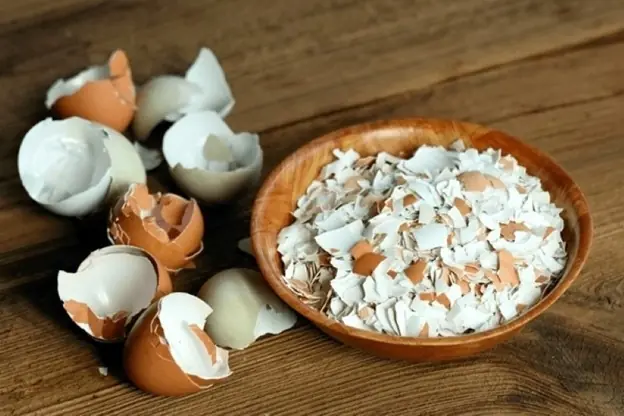
1. Why Eggshells Are Worth Saving
Eggshells are primarily composed of calcium carbonate, which makes them relatively hard and mineral-rich compared with many other types of food waste. While the shell itself is not something most people eat, its composition explains why it has attracted attention as a material that can be reused in gardening, cleaning, and certain household projects.
When eggshells are discarded, they eventually break down under suitable conditions, but the process can take longer than people expect, particularly if large pieces are buried in soil or placed in conditions that are not ideal for decomposition. Crushing the shells into smaller pieces can make them easier to handle and may help them break down more quickly.
The shells also contain small amounts of other minerals and organic material, although calcium carbonate makes up the majority of their composition. This is why eggshells are often discussed as a potential calcium source for soil.
Before reusing them, however, the shells should be cleaned properly. Eggshells may contain traces of egg residue, and raw eggs can carry bacteria such as Salmonella. Boiling the eggs can reduce certain risks, but it does not mean the shells should automatically be considered sterile. Washing, drying, and storing them appropriately are important steps.
2. Use Eggshells in Your Garden
One of the most popular ways to reuse eggshells is in the garden. Gardeners have traditionally saved eggshells and added them to soil or compost because they contain calcium carbonate.
Calcium is an important nutrient for plants. It contributes to the development of cell walls and plays a role in healthy plant growth. However, plants do not absorb calcium simply because eggshells are placed next to them. The calcium in eggshells is relatively slow to become available, especially when the shells are left in large pieces.
If you want to use eggshells in your garden, it is generally better to crush them into smaller pieces or grind them into a fine powder. Smaller particles have more surface area, which can help them interact with the soil more effectively over time.
To prepare eggshells for gardening, first rinse away any remaining egg residue. Allow the shells to dry completely, either by placing them in a clean, dry area or by using gentle heat. Once dry, crush them with a mortar and pestle, rolling pin, or food processor.
The resulting material can be mixed into compost or incorporated into soil in small amounts. It should not be viewed as a quick fertilizer, because eggshells release calcium relatively slowly. For gardeners who need to correct a specific nutrient deficiency, a soil test and an appropriate soil amendment are usually more reliable than eggshells alone.
3. Add Eggshells to Your Compost
Composting is one of the easiest and most environmentally friendly ways to reuse eggshells. Instead of sending them to the trash, you can add them to a compost pile or compost bin along with fruit and vegetable scraps, leaves, grass clippings, and other suitable organic materials.
Eggshells are considered a mineral-rich addition to compost rather than a major source of nitrogen or carbon. They do not provide the same function as materials such as food scraps, fresh grass, dry leaves, or cardboard. Nevertheless, they can contribute calcium to the composting system.
The key is preparation. Large, intact eggshells may remain recognizable for a long time. Crushing them into small pieces helps make them easier to incorporate into the compost and may speed up their eventual breakdown.
If you regularly cook eggs, you can collect the shells in a small container, allow them to dry, crush them, and add them to your compost when you have enough. This simple habit can help reduce kitchen waste without requiring additional effort.