For people who compost at home, eggshells are particularly convenient because they are a material that would otherwise be discarded after preparing a meal.
4. Use Crushed Eggshells Around Certain Plants
Some gardeners scatter crushed eggshells around plants as a way of adding calcium-containing material to the soil. This practice is especially popular among people growing vegetables, herbs, and flowers.
However, eggshells should not be considered a guaranteed solution for plant problems. Many plant disorders that appear to be related to calcium are actually caused by inconsistent watering, root damage, poor soil conditions, or other factors that interfere with nutrient uptake.
For example, blossom-end rot in tomatoes is commonly associated with insufficient calcium reaching the developing fruit. Although gardeners sometimes add eggshells to address this problem, simply placing shells around a tomato plant is unlikely to provide calcium quickly enough to solve an existing issue.
Consistent watering, healthy roots, appropriate soil conditions, and balanced nutrient management are often more important.
If you want to use eggshells around plants, crush them finely and mix them into the soil rather than leaving large pieces scattered on the surface. Use them as a supplementary material, not as a replacement for proper gardening practices.
5. Make a Gentle Scrubbing Material for Certain Household Items
Another possible use for eggshells is as a mild abrasive. When crushed into small particles, eggshells can provide a rough texture that may help loosen certain residues from household items.
For example, some people use finely crushed eggshells to help clean the inside of bottles, jars, or containers that are difficult to reach with a sponge. The particles can create friction when moved around with water and a little dish soap.
To try this method, make sure the shells are clean and completely dry. Crush them into small, relatively uniform pieces. Add a small amount of the crushed shells to the container you want to clean, along with warm water and a little dishwashing liquid. Carefully swirl the mixture around to help loosen residue.
Afterward, rinse the container thoroughly to remove all eggshell particles.
This method is not appropriate for every surface. Avoid using eggshells on delicate glass, nonstick cookware, polished surfaces, plastic that scratches easily, or items with coatings that could be damaged by abrasive particles. For valuable or fragile objects, use a cleaning method recommended by the manufacturer.
6. Reuse Eggshells to Help Clean Narrow Bottles and Containers
Narrow bottles can be frustrating to clean because traditional sponges and brushes may not reach the bottom. Crushed eggshells may offer a simple alternative for certain sturdy containers.
The idea is straightforward: small shell pieces move around inside the container and create friction against the residue. When combined with water and dish soap, they may help loosen deposits that have accumulated on the bottom or sides.
This can be useful for some reusable bottles, glass jars, or sturdy containers that have been used for beverages or food.
However, it is important to use this technique cautiously. Eggshell particles can potentially scratch surfaces, and small fragments may become difficult to remove from containers with narrow openings. Do not use them in bottles designed for delicate coatings, specialized drinkware, or products where scratches could compromise the material.
Always rinse repeatedly after cleaning and inspect the container carefully before using it again for food or drinks.
7. Use Eggshells as a Natural Material for Craft Projects
Eggshells can also be reused in creative projects. Their texture and fragile structure make them suitable for certain decorative applications, especially when they are cleaned, dried, and broken into small pieces.
Some people use eggshell fragments to create mosaic-style decorations. Small pieces can be arranged on cardboard, wooden surfaces, picture frames, decorative boxes, or other craft materials. Depending on the project, the shells may be left in their natural white or brown color, painted, or decorated with different shades.
Eggshell mosaics can be an enjoyable activity for children and adults, although young children should be supervised because shell fragments can have sharp edges.
For a basic project, save clean eggshells, dry them thoroughly, and carefully break them into small pieces. Arrange the fragments on a surface with craft glue, allowing the natural shape and texture of the shells to create a decorative pattern.
Eggshells can also be used in certain handmade decorations, seasonal crafts, and art projects. Their natural appearance can add texture that ordinary paper or plastic materials may not provide.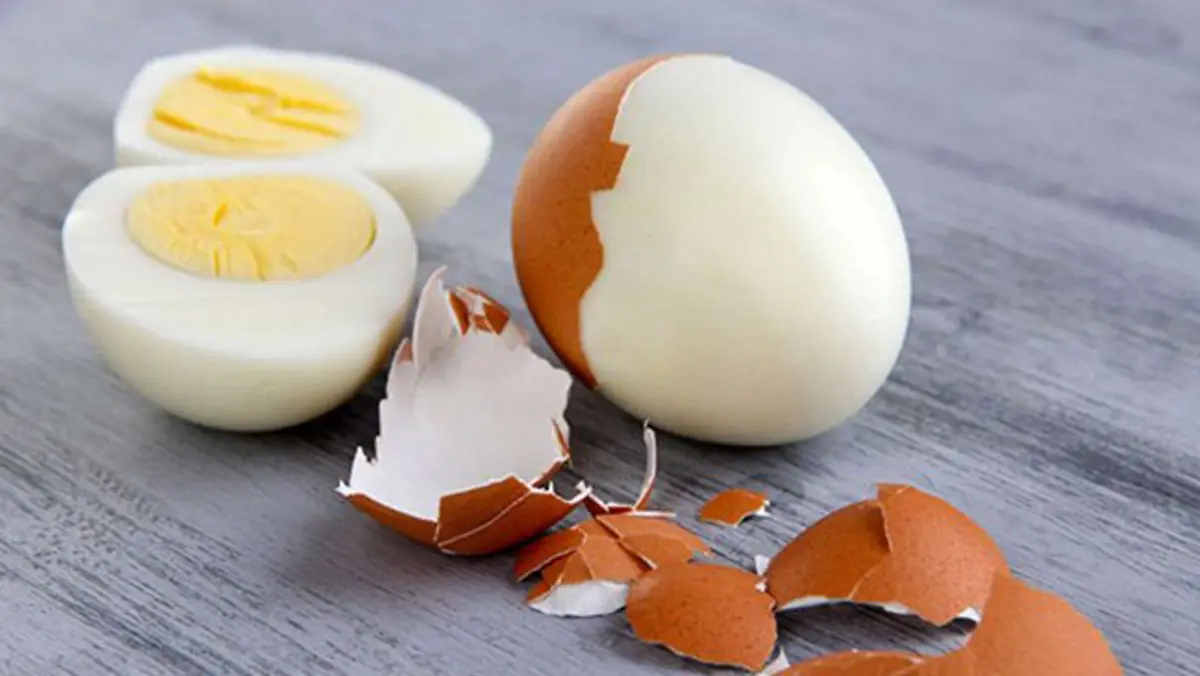
8. Use Eggshells in Homemade Decorative Plant Pots
Eggshells are sometimes used as miniature containers for seeds or small decorative plants. Although this idea is more suitable for temporary use than long-term gardening, it can be a creative way to reuse shells.
Large eggshell halves can be carefully cleaned and used as small seed-starting containers. A tiny amount of soil can be placed inside, followed by a seed. The shell can hold the soil while the seed begins to grow.