Bone cancer is a relatively uncommon condition, and that is one reason its early symptoms can be easy to overlook.
Pain in a leg or arm may be blamed on exercise. Swelling may be mistaken for a minor injury. Fatigue can be attributed to poor sleep or stress. Even a fracture may initially be viewed as an unfortunate accident rather than a possible sign of an underlying problem.
In most cases, these symptoms do not mean a person has bone cancer. Many far more common conditions can cause the same changes, including arthritis, sports injuries, infections, benign bone tumors, osteoporosis, muscle problems, and nerve conditions.
Still, some symptoms deserve a closer look when they are persistent, unexplained, progressively worsening, or accompanied by other unusual changes.
Bone cancer can arise in the bone itself, referred to as primary bone cancer, or cancer from another part of the body can spread to the bones, which is known as bone metastasis. These are different situations, but both can affect bones and produce symptoms such as pain or fractures.
Below are five warning signs that may warrant medical evaluation, along with an explanation of why they can happen and what else might cause them.
Important note: This article is for general health information, not diagnosis. Because I cannot verify current medical guidance online in this chat, the article avoids presenting time-sensitive statistics or claiming that any symptom is specific to cancer. Persistent or concerning symptoms should be assessed by a qualified healthcare professional.
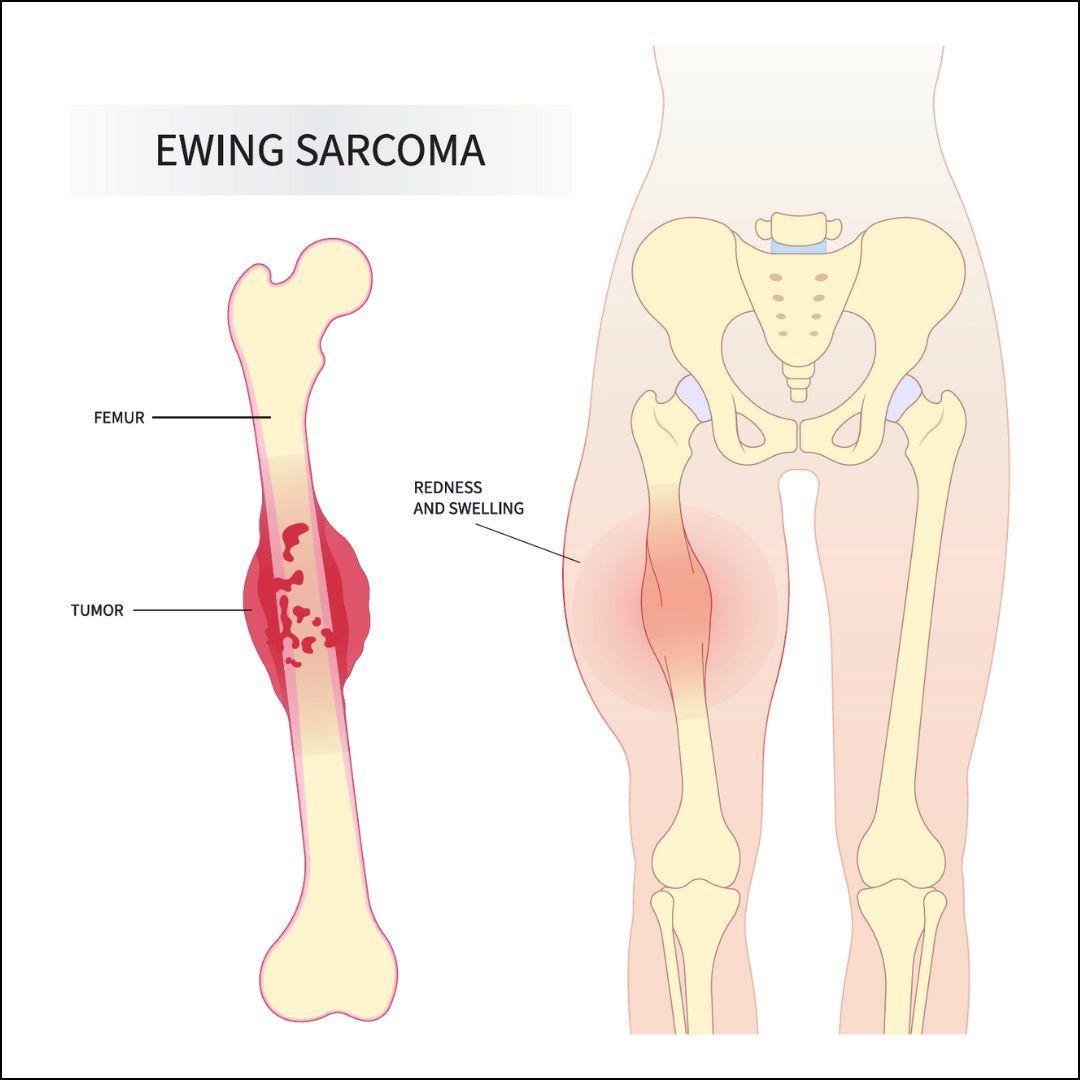
1. Persistent Bone Pain That Doesn't Seem to Go Away
One of the symptoms most often associated with bone cancer is persistent bone pain.
That sounds simple, but pain can be surprisingly difficult to interpret.
Most people experience aches at some point. You can hurt your leg after a workout, strain your back while moving furniture, or wake up with a stiff shoulder after sleeping in an awkward position.
Those problems are common.
The kind of pain that deserves closer attention is pain that doesn't behave like a typical minor injury.
For example, you may notice that the discomfort:
- Continues for weeks
- Gradually becomes more noticeable
- Returns repeatedly without an obvious explanation
- Occurs even when you haven't injured the area
- Becomes worse over time
- Interferes with sleep or normal daily activities
Some people describe bone-related pain as a deep, aching sensation rather than the sharp pain associated with a sudden muscle strain.
It may occur in one particular area, such as the arm, leg, pelvis, or another bone.
Why can cancer cause bone pain?
When abnormal cells grow within or around bone, they can alter the normal structure of the tissue.
That may place pressure on surrounding tissues or interfere with the normal organization of the bone.
The result can be ongoing discomfort.
But this is where caution is essential.
Persistent bone pain is not synonymous with bone cancer.
Far more common explanations include arthritis, tendon or ligament problems, stress injuries, infections, nerve-related pain, inflammatory conditions, and overuse.
That is why the pattern matters more than one isolated episode.
A person who develops knee pain after running a marathon has a very different situation from someone who develops deep, unexplained pain in a bone and continues to experience it for weeks without an obvious cause.
When Pain Deserves Extra Attention
Pain may be more concerning when it is accompanied by another change.
For example:
Persistent pain + swelling
Persistent pain + unexplained weight loss
Persistent pain + a new lump
Persistent pain + unusual weakness
Persistent pain + a fracture after minimal trauma
None of these combinations proves cancer.
They simply give a healthcare professional more reasons to investigate the underlying cause rather than assuming it is an ordinary injury.
2. Swelling, a Lump, or Tenderness Around a Bone
Another potential warning sign is swelling or a noticeable lump near a bone.
You might see a visible change in the shape of an arm or leg.
The area may feel fuller than the opposite side.
There may be tenderness when touching it.
Or you might discover a firm area underneath the skin that wasn't there before.
Sometimes the swelling develops around a painful area.
In other cases, the lump may initially be painless.
That difference can lead people to dismiss it.
A painless lump doesn't automatically mean anything serious. Benign cysts, lipomas, old injuries, normal anatomical differences, and other non-cancerous conditions can create masses.
But any new, unexplained, or enlarging lump deserves consideration, particularly if it is accompanied by persistent pain or changes in movement.
Why Does Swelling Happen?
Swelling can have many causes.
An injury can trigger inflammation.
An infection can produce redness and swelling.
Joint disease can cause fluid accumulation.
A benign growth can change the shape of tissue.
A malignant bone tumor can also affect surrounding tissue and produce a visible or palpable mass.
This is why a physical examination matters.
A doctor may compare the affected area with the opposite side and assess:
- Size
- Location
- Texture
- Tenderness
- Mobility
- Skin changes
- Relationship to the underlying bone
Depending on the findings, imaging may be considered.
That may include an X-ray or other imaging study such as MRI or CT.
The exact investigation depends on the symptoms and clinical situation.
Don't Assume a Lump Is Just a "Knot"
People often use words like:
“It's probably a muscle knot.”
Or:
“Maybe I bumped it.”
Sometimes they're right.
But when a lump continues to grow, does not resolve, or has no clear explanation, it should not simply be ignored indefinitely.
A useful rule is:
New + unexplained + persistent = worth checking.
That principle applies to lumps in many parts of the body, not just near bones.
3. A Bone Fracture That Happens More Easily Than Expected
A fracture is another symptom that can sometimes reveal an underlying bone problem.
Healthy bones are strong, but they are not indestructible.
Falls, sports injuries, car accidents, and other significant forces can obviously cause fractures.
The situation is different when a bone breaks after very little force.
For example, a person may experience a fracture after a minor stumble or a movement that would normally not be expected to cause a serious injury.