Avocados have earned a reputation as one of the healthiest foods you can put on your plate.
They are creamy, versatile, and naturally rich in monounsaturated fat. They also provide fiber, potassium, folate, vitamin K, and other nutrients. You can spread them on toast, add them to salads, blend them into smoothies, or simply eat them with a little salt and lemon.
For many people, avocado can fit comfortably into a balanced eating pattern.
But “healthy” does not mean “ideal for everyone in unlimited amounts.”
Certain people may need to limit avocado or pay closer attention to portion size, especially because of its potassium content, relatively high calorie density, medication considerations, or individual digestive reactions.
That does not mean avocado is dangerous for these groups. In many cases, the issue is simply that a food considered beneficial for the general population may need to be adjusted for a particular medical situation.
So before removing avocado from your diet—or eating more of it because you've heard it's a “superfood”—it helps to understand who may need a little extra caution.
Here are five groups that may need to be more careful with avocado.
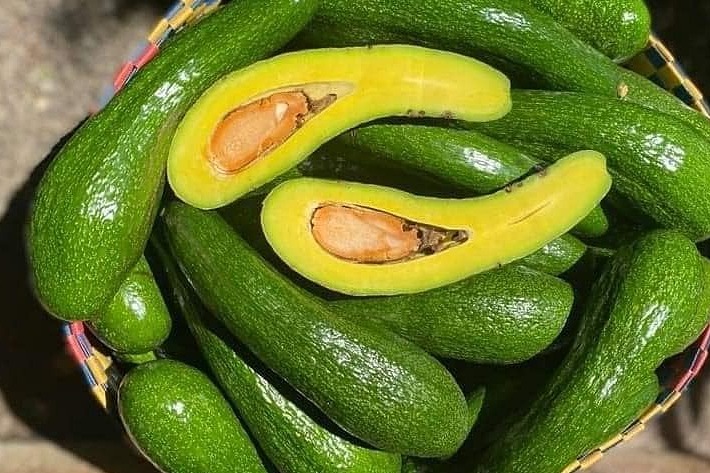
1. People With Certain Kidney Problems
One of the biggest reasons some people may need to limit avocado is its potassium content.
Potassium is an essential mineral. Healthy kidneys normally help regulate potassium in the blood by filtering and excreting excess amounts.
But when kidney function is significantly reduced, the body may have difficulty removing enough potassium.
That can lead to high blood potassium levels, known as hyperkalemia, which can be serious because potassium plays an important role in the electrical activity of the heart and normal muscle function.
Avocados are relatively potassium-rich compared with many other fruits.
That makes them nutritious for many people, but potentially problematic for someone who has been advised to follow a potassium-restricted diet.
This does not mean everyone with kidney disease must avoid avocado
Kidney disease is not one single condition.
Potassium recommendations can differ depending on:
- The stage and type of kidney disease
- Current blood potassium levels
- Medications
- Overall diet
- Dialysis status
- Other medical conditions
One person with kidney disease may be able to eat a small portion of avocado, while another may need to restrict it more closely.
That is why internet lists saying “kidney patients should never eat avocado” are too absolute.
The more accurate message is:
People with kidney disease who have been told to control potassium should ask their healthcare professional or renal dietitian how avocado fits into their individual meal plan.
2. People Taking Certain Medications That Affect Potassium
The second group overlaps somewhat with kidney disease, but it deserves separate attention.
Some medications can increase potassium levels in the blood.
Examples can include certain blood-pressure medicines and medications that affect the renin-angiotensin-aldosterone system, as well as some potassium-sparing diuretics. The risk is particularly relevant when kidney function is impaired or several risk factors are present.
This does not mean that eating one avocado while taking blood-pressure medication is automatically dangerous.
It means medication and diet can sometimes interact indirectly through potassium balance.
For example, someone may already have:
- Reduced kidney function
- A medication that tends to raise potassium
- High potassium intake from several foods
- Another health condition affecting electrolyte balance
In that situation, regularly eating very large portions of potassium-rich foods may be something their clinician wants to monitor.
The real issue is your total potassium intake
Avocado is not the only source.
Potassium can also come from foods such as:
- Potatoes
- Beans
- Lentils
- Tomatoes
- Dried fruit
- Some dairy products
- Leafy greens
- Other fruits and vegetables
So focusing on avocado alone can miss the bigger picture.
If you take medications that affect potassium and have been given dietary restrictions, do not stop the medication or eliminate nutritious foods on your own.
Instead, ask your clinician whether your potassium intake needs monitoring.
3. People Who Notice Digestive Symptoms After Eating Avocado
Avocado contains fiber and certain carbohydrates that some people may find difficult to tolerate in larger quantities.
For many people, this is not a problem.
For others, eating a large serving may be followed by:
- Bloating
- Gas
- Abdominal discomfort
- Changes in bowel movements
- Feeling overly full
This can be especially relevant for people who already have digestive disorders or food sensitivities.
Why can avocado cause bloating?
There are several possible explanations.
One is simply that avocado contains fiber.
If you suddenly increase your fiber intake, your digestive system may need time to adapt.
Another issue involves FODMAPs, a group of short-chain carbohydrates that can be difficult for some people to absorb completely.
Avocado contains sorbitol, a sugar alcohol that can contribute to gastrointestinal symptoms in susceptible individuals, particularly when eaten in larger portions.
This is one reason portion size can make a major difference.
A person may tolerate a small serving of avocado but experience bloating after eating half or a whole large avocado.
This does not mean avocado is “bad for the gut”
It means tolerance varies.
Someone with irritable bowel syndrome may be particularly aware of portion size and preparation when following a low-FODMAP eating pattern.
Importantly, a low-FODMAP diet is generally intended as a structured, temporary approach rather than a reason to eliminate a huge range of foods forever.