Choose better sources of fat, but still pay attention to quantity.
That principle is much more useful than thinking:
“Healthy fat doesn't matter.”
It does.
Could Avocado Help You Eat More Vegetables?
Absolutely.
And this is one of its practical strengths.
Avocado can make a salad more satisfying.
It can add creaminess to vegetables.
It can replace a heavier dressing.
It can make beans and whole grains more enjoyable.
That means avocado can play a supportive role in building meals around minimally processed foods.
But it works best as one component of the meal.
Five Groups at a Glance
Let's bring everything together.
Group 1: People With Certain Kidney Conditions
May need to monitor avocado because of its potassium content.
Group 2: People Taking Certain Potassium-Affecting Medications
May need to be aware of total potassium intake, particularly if other risk factors are present.
Group 3: People With Digestive Sensitivities
May experience bloating or gastrointestinal discomfort, especially with larger servings.
Group 4: People Closely Managing Calories
May need to watch portion sizes because avocado is nutrient-dense but relatively calorie-dense.
Group 5: People With Avocado or Certain Latex-Related Allergies
May need to avoid avocado if it triggers an allergic reaction and should seek professional guidance.
What You Shouldn't Do
Don't stop taking prescription medication because an internet article says avocado interacts with it.
Don't eliminate entire food groups without a reason.
Don't assume every episode of bloating means you have an avocado intolerance.
And don't increase your avocado intake dramatically just because someone calls it a “superfood.”
The goal is balance.
When Avocado Is a Great Choice
For a healthy person without relevant medical restrictions, avocado can be an excellent addition to meals.
Try:
Avocado + tomatoes + leafy greens
Avocado + eggs + whole-grain toast
Avocado + beans + brown rice
Avocado + grilled fish + vegetables
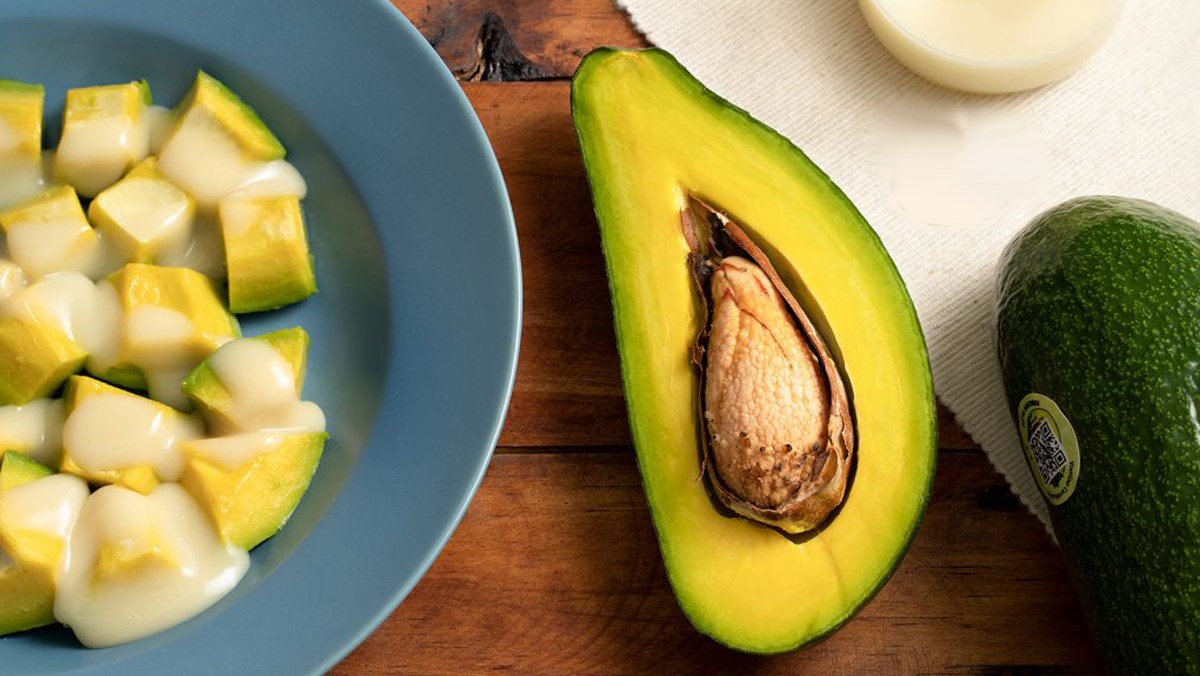
Avocado + plain yogurt or cottage cheese, depending on your preferences
These combinations provide a variety of nutrients rather than relying on avocado alone.
The Bottom Line
Avocado deserves its reputation as a nutrient-rich food, but it is not automatically suitable in unlimited amounts for every person.
The five groups that may need extra caution are people with certain kidney conditions, people taking medications that can affect potassium levels, people with digestive sensitivities, people carefully managing calorie intake, and people with avocado or related food allergies.
For the first two groups, potassium is the key issue.
For the third, digestive tolerance and portion size can matter.
For the fourth, the main concern is calorie density, even though avocado's fats are largely unsaturated.
For the fifth, the issue is allergic reaction, which can require complete avoidance.
For everyone else, there is generally no reason to fear avocado simply because it contains fat or potassium.
The better approach is to think about how much you eat, what you eat it with, and what your individual health needs are.
Avocado doesn't need to be classified as either a miracle food or a dangerous food.
It's simply a nutritious ingredient that may need to be adjusted for certain people.
And that is one of the most important principles in nutrition:
A food can be healthy in general and still need to be handled differently depending on the person eating it.
So enjoy your avocado—but let your overall diet, your medical history, and your healthcare professional's advice determine how much belongs on your plate.