That is why the Strait of Hormuz has such an important role in the current conflict.
The Latest Maritime Warning Signs
Recent Reuters reporting has highlighted the continued danger facing commercial shipping.
According to a November 11 report, October saw 37 attacks on vessels in and around the Strait of Hormuz, representing the highest monthly level recorded during the conflict.
The International Maritime Organization had recorded 130 incidents and at least 25 seafarer deaths.
The report also described the continuing danger faced by crews and the environmental consequences of attacks on commercial vessels.
A damaged tanker had caused an oil spill affecting parts of the UAE coastline, creating concerns about beaches and nearby desalination infrastructure.
These developments demonstrate that the effects of the conflict extend well beyond military installations.
Commercial shipping, environmental protection, and the safety of civilian crews have become important parts of the regional crisis.
Why Oil Prices Can React to Military News
Oil prices are influenced by supply, demand, inventories, transportation costs, and expectations about future availability.
A military incident does not automatically mean that oil production will stop.
But traders may react if they believe a major shipping route could become unavailable.
For example, if insurance companies increase premiums for vessels operating in the Gulf, transportation costs may rise.
If ships are delayed, deliveries may take longer.
If exporters cannot move their products efficiently, inventories and regional supply balances may change.
These factors can influence international prices.
However, it is important not to claim that every missile report automatically causes an oil crisis.
The actual market effect depends on the scale of the incident, the duration of the disruption, the availability of alternative routes, and the response of energy producers.
Why the Gulf States Cannot Ignore Maritime Security
For Gulf countries, the Strait of Hormuz is not simply a shipping lane.
It is connected to national revenue, employment, international trade, and economic stability.
A serious disruption could affect:
-
Oil and gas exports.
-
Port operations.
-
Shipping insurance.
-
Industrial supply chains.
-
Airline and tourism activity.
-
International investment.
-
Food and consumer goods imports.
This explains why regional governments have strong incentives to prevent the conflict from spreading.
A prolonged confrontation could undermine economic priorities that Gulf countries have spent years developing.
4. Are Four Gulf Countries Really Joining Forces to Attack?
This is perhaps the most important question raised by the viral headline.
The suggestion that four countries have joined forces to attack sounds like a major change in the regional balance of power.
If four Gulf governments had formally coordinated an offensive military operation, the consequences could be enormous.
It could represent a significant expansion of the conflict and potentially draw additional countries into direct confrontation with Iran.
But the available reporting does not establish that such a four-country offensive coalition has been formed.
There is an important difference between countries cooperating to defend their territories and countries joining together to launch an offensive operation.
These are not the same thing.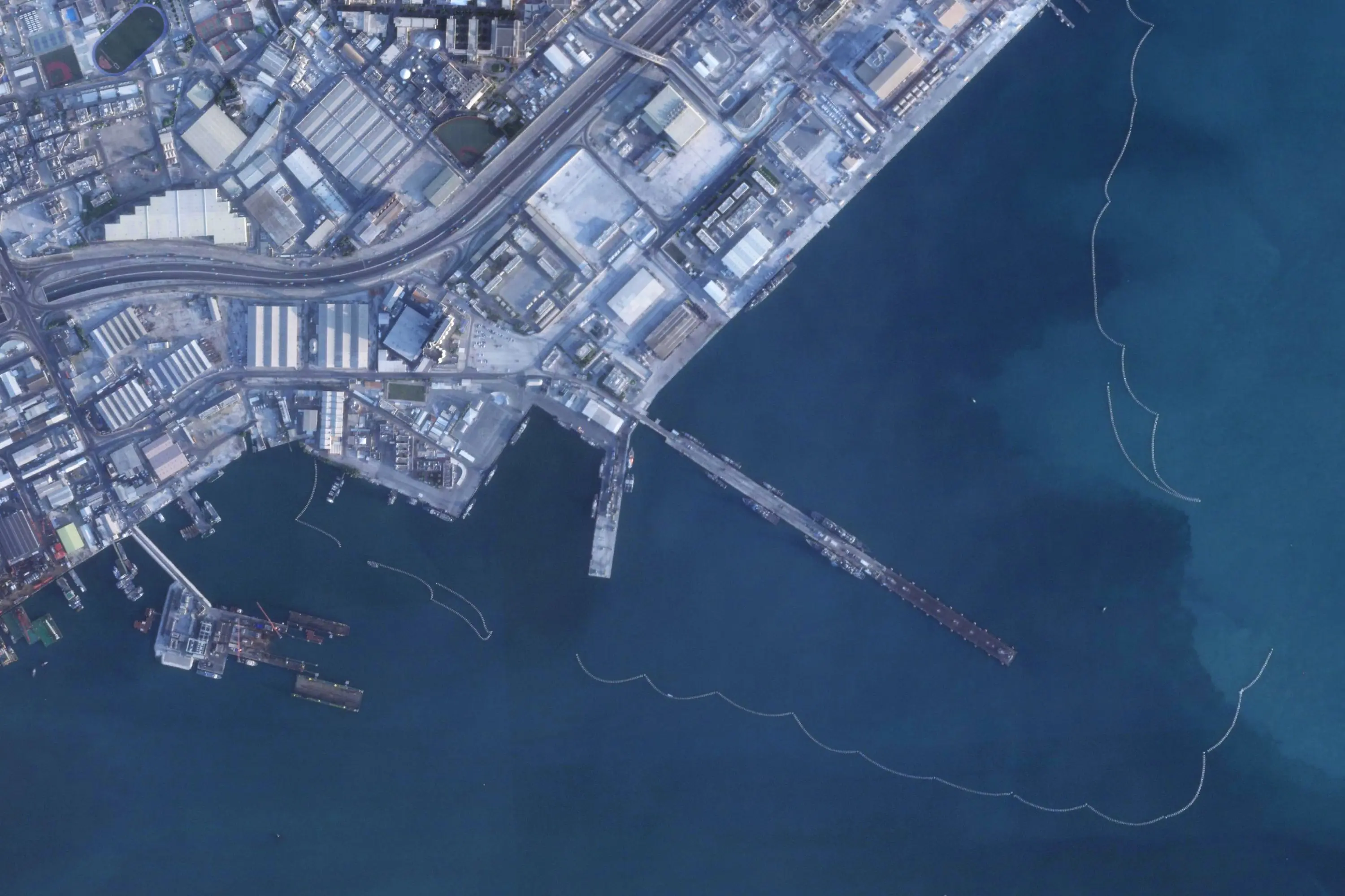
Defensive Cooperation Is Not the Same as Joining an Attack
Gulf countries have reasons to cooperate on air defense.
When missiles or drones approach their airspace, governments may exchange warnings, share information, coordinate interceptions, or communicate with allied military forces.
Such activities are part of defensive security cooperation.
They do not automatically mean that the countries involved have agreed to attack another state.
For example, a country may allow American military personnel to operate from its territory while refusing to participate in an offensive operation.
Another country may cooperate with regional air-defense networks while publicly calling for negotiations.
A third may provide diplomatic assistance to reduce tensions.
All of these actions can happen at the same time.
This is why the phrase "four countries join forces to attack" should not be accepted without clear evidence.
What the Four Countries Actually Have in Common
The four countries highlighted in the circulating image are the United Arab Emirates, Bahrain, Qatar, and Saudi Arabia.
They have different political priorities and military arrangements, but all have an interest in regional stability.
The UAE wants to protect its cities, commercial infrastructure, energy facilities, ports, and international business environment.
Bahrain has a particularly close security relationship with the United States and hosts the headquarters of the Fifth Fleet.
Qatar hosts Al Udeid Air Base but also maintains an important diplomatic role in regional negotiations.
Saudi Arabia wants to protect its territory, oil infrastructure, shipping interests, and economic development plans.
Their interests overlap in several areas.
All have reasons to oppose attacks on civilian infrastructure.
All have reasons to protect international shipping.
All have an interest in preventing the conflict from developing into a prolonged regional war.
However, shared security concerns do not necessarily translate into agreement on offensive military action.
Why Gulf Governments May Prefer Diplomacy
A November 9 Reuters report described regional diplomatic efforts to avoid another major round of American attacks on Iran.
President Donald Trump said he planned to hold off on renewed strikes for the time being following appeals from neighboring countries.
The countries specifically mentioned included Qatar, Saudi Arabia, the UAE, Bahrain, and Kuwait.
Qatar's prime minister had met Trump in Washington as part of the diplomatic effort.
The report also described continuing disagreement between Washington and Tehran over the conditions needed for a broader settlement.
This is an important development because it shows that several Gulf governments have an interest in limiting further escalation.
They may disagree with Iran on numerous security questions.
They may also maintain strong military relationships with the United States.
But avoiding a war that damages their own economies is a separate priority.
Could the Situation Still Change?
Yes.
The regional situation remains volatile.
A new attack causing significant casualties could change political calculations.
A direct strike on critical infrastructure could create pressure for a stronger response.
An attack on American personnel could increase the possibility of military retaliation.
A serious incident involving commercial shipping could also lead to additional security measures.
But these are potential developments, not evidence that a four-country offensive operation has already been organized.
The difference between what might happen and what has happened must remain clear.
5. What Could Happen if the Conflict Escalates Again?
The possibility of another major escalation is one of the most serious concerns facing the region.
The conflict has already demonstrated that military operations can affect countries far from the original battlefield.
Missiles and drones can cross national borders.
Military bases can become targets.
Commercial ports can be disrupted.
Airlines can suspend services.
Shipping companies can change routes.
The consequences can spread rapidly.
There are several possible developments that analysts and regional governments will be watching.
Scenario One: A Limited Exchange of Military Strikes
The first possibility is that the confrontation remains limited.
An attack occurs against a military installation or strategic system.
The targeted country responds with defensive measures or a carefully limited military operation.
Both sides communicate through intermediaries to prevent the exchange from expanding.
This type of situation can remain dangerous without necessarily becoming a full-scale regional war.
However, limited exchanges are not always easy to control.
A strike may cause unexpected casualties.
An interception may fail.
A missile may hit a location different from the intended target.
Even a relatively small incident can produce pressure for retaliation.
The challenge is preventing a cycle in which each side feels compelled to respond more strongly than the previous one.