Scenario Two: A Wider Missile and Drone Campaign
A second possibility involves more extensive attacks against military infrastructure.
Radar systems, communications facilities, aircraft shelters, logistics centers, and other strategic assets could become targets.
The October 31 Associated Press analysis provides an important background to this risk.
The AP examined satellite imagery and information from regional officials and reported that more than 115 drone or missile strikes claimed by Iran or Iranian-backed groups had damaged structures at 26 military bases and other locations containing American equipment through August.
The analysis identified damage to facilities in several countries, including Kuwait, Bahrain, Iraq, Jordan, Oman, Qatar, Saudi Arabia, and the UAE.
It also described attacks that initially focused on early-warning systems and air defenses before affecting other facilities.
The AP said the damage had raised questions about the protection of fixed military infrastructure in the region.
This is particularly relevant to the November 13 dispute involving the radar system in Bahrain.
Early-warning systems are essential to modern air defense.
They help identify threats and give defensive forces time to respond.
If such systems are damaged, military commanders may face additional challenges.
However, the AP's broader analysis should not be confused with confirmation that the specific radar mentioned in the latest Iranian claim was destroyed.
Scenario Three: Disruption to Energy Infrastructure
Another major concern is the possibility of attacks against oil and gas infrastructure.
The Gulf is home to some of the world's most important energy producers.
Pipelines, refineries, export terminals, storage facilities, and shipping ports are all strategically significant.
A major disruption could affect international energy markets.
The consequences might include higher transportation costs, delayed shipments, increased insurance premiums, and greater uncertainty among energy buyers.
Countries that depend heavily on imported fuel could experience additional economic pressure.
The effects would not necessarily be limited to the Middle East.
Asian economies, European consumers, and businesses around the world could feel the consequences.
However, it is important to distinguish between an actual interruption of supply and the fear of a possible interruption.
Markets often react to expectations before a disruption becomes fully visible.
Scenario Four: A Wider Diplomatic Breakthrough
There is also another possibility.
Despite the current tensions, diplomatic efforts could produce a framework for reducing military activity.
Such an agreement might involve several elements:
-
A reduction in direct military attacks.
-
Security arrangements for commercial shipping.
-
Measures to prevent attacks on civilian infrastructure.
-
Discussions about sanctions and economic restrictions.
-
Mechanisms for communicating during military incidents.
-
A process for addressing Iran's nuclear programme.
-
Agreements concerning regional security.
A comprehensive agreement would be difficult.
The United States and Iran have deep disagreements about security, sanctions, military activity, and nuclear policy.
Gulf countries also have different relationships with Tehran and Washington.
Nevertheless, diplomacy remains important because a prolonged conflict would carry serious costs for every country involved.
Scenario Five: A Dangerous Miscalculation
Perhaps the most worrying possibility is not a carefully planned offensive.
It is a mistake.
Imagine that a radar system detects an incoming object.
A military commander must decide whether it represents an immediate threat.
An interception takes place.
Debris falls near a populated area.
A government receives incomplete information and announces that an attack has occurred.
Another government interprets the announcement as an accusation and prepares a response.
Within hours, the situation may become more dangerous than either side originally intended.
This is one reason military communication channels and diplomatic intermediaries are so important.
During periods of high tension, accurate information can help prevent an incident from turning into a larger confrontation.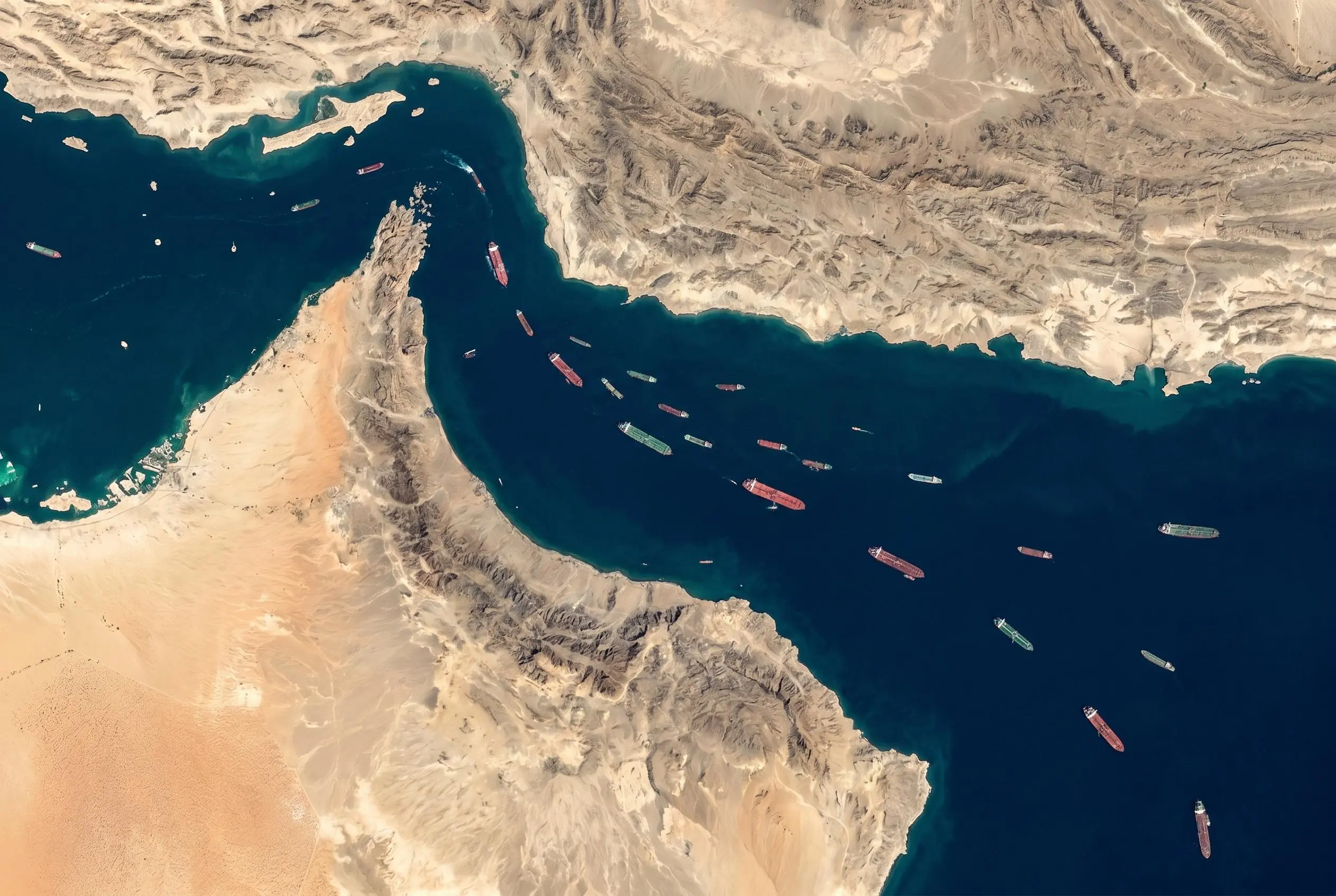
6. Why Ordinary People Could Feel the Consequences
Military headlines often focus on governments, commanders, weapons, and strategic installations.
But the people most affected by a regional crisis are frequently ordinary civilians.
A prolonged confrontation could influence everyday life in several ways.
Air Travel and Airport Operations
Airspace restrictions are among the most immediate consequences of military escalation.
Airlines may cancel flights or reroute aircraft to avoid dangerous areas.
Passengers can experience delays, missed connections, and unexpected accommodation expenses.
Businesses that depend on international travel may also face disruption.
As of November 13, regional reporting indicated that UAE and Qatar airspace remained open, although airlines were still adjusting some routes and schedules.
Saudi Arabia also continued to experience flight disruption, with certain airports and routes facing restrictions or reduced services.
The important lesson is that an open airspace does not guarantee that every airline will operate normally.
Airlines make their own operational and safety decisions.
Passengers should check directly with their carrier before travelling.
The Cost of Food and Consumer Goods
The Gulf imports many consumer products.
These include food, machinery, household goods, construction materials, and industrial supplies.
Shipping disruptions can affect delivery times and transportation costs.
If vessels need to take longer routes, the additional costs may eventually affect businesses and consumers.
However, the impact depends on the duration and severity of the disruption.
A temporary delay does not automatically mean that shops will experience shortages.
Employment and Business Confidence
The UAE, Qatar, Bahrain, and Saudi Arabia have developed important international business sectors.
Tourism, aviation, finance, construction, technology, logistics, and hospitality all depend on a degree of stability.
If companies believe a regional crisis could continue for months, they may postpone investments or review their operations.
International workers may reconsider travel arrangements.
Tourism businesses may experience cancellations.
Companies that rely on imported equipment may face delays.
These effects can develop gradually rather than appearing immediately after a military incident.
The Psychological Impact on Families
Security alerts, loud explosions, missile warnings, and sudden travel restrictions can create considerable anxiety.
Parents may worry about children attending school.
Workers may be concerned about travelling to and from their workplaces.
Families with relatives in different countries may struggle to arrange travel.
Older people and individuals with medical needs may face additional challenges if transportation or healthcare access is disrupted.
This is why civilian protection should remain a central priority in any discussion of regional security.
Military developments should never be treated as an abstract political contest without considering the people who live in the affected countries.
7. What Should Residents and International Travelers Pay Attention To?
For people living in the Gulf or planning to travel there, the most useful response to a rapidly changing security situation is to rely on official information rather than viral posts.
A photograph of smoke, a short video of an explosion, or an alarming social media caption may not provide enough information to determine whether a location is currently dangerous.
There are several practical considerations.
Follow Official Emergency Instructions
Residents should pay attention to announcements from local authorities.
If an official warning instructs people to move away from windows, enter a secure building, or avoid a particular area, those instructions should take priority over information shared in social media groups.
People should also avoid approaching incident locations to take photographs or videos.
Such behavior can expose individuals to unnecessary danger and interfere with emergency responders.
Check Flight Information Before Leaving Home
Travelers should check their airline's official flight-status information before going to the airport.
A flight appearing in an older booking confirmation does not necessarily mean it will operate as originally scheduled.
Passengers should also check whether their connecting flights are affected by regional airspace restrictions.
Avoid Sharing Unverified Military Footage
During a conflict, images can be misleading.