Air-Defense Batteries Engage Incoming Missiles Over the Persian Gulf: Gulf States on Alert as Regional Tensions Escalate
The warning sirens sounded, defensive systems were activated, and residents across parts of the Gulf were urged to seek safe locations. What had once been a period of uneasy calm was giving way to renewed exchanges involving missiles, drones, military installations, and vital shipping routes. As reports of incoming aerial attacks spread, one question became increasingly urgent: how prepared are Gulf countries to protect their cities, infrastructure, and people if the confrontation continues?
The Persian Gulf has once again become a focal point of a rapidly changing security crisis. In November 2026, Bahrain reported that its air-defense systems had intercepted Iranian aerial attacks, while Iran's Islamic Revolutionary Guard Corps (IRGC) claimed to have targeted American military positions and radar installations in the kingdom. Other incidents involving drones, ships, and military sites have added to concerns that the confrontation could spread further across the region.
The situation is particularly sensitive because Bahrain is home to the headquarters of the United States Navy's Fifth Fleet. Its location gives the country strategic importance for maritime security and military operations across the Gulf. Any attack involving facilities in Bahrain therefore carries implications that extend beyond the island kingdom itself.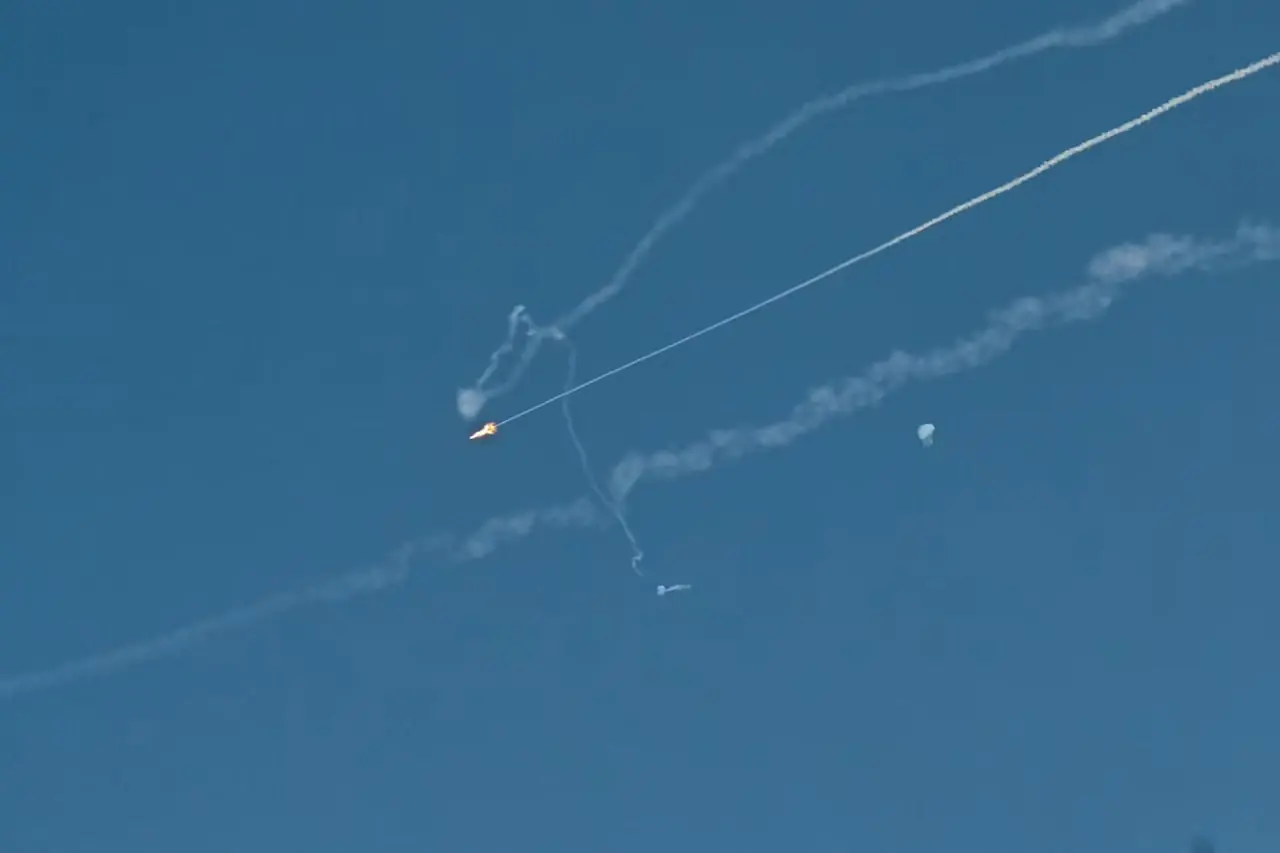
Yet the headlines do not tell the whole story. Some claims have been made by military organizations involved in the conflict, while other details have been confirmed by government statements or independent reporting. Distinguishing between an intercepted attack, a claimed strike, and independently verified damage is essential to understanding what is happening.
The photographs accompanying the supplied report also require caution: the upper image shows food being prepared, not a military operation, and the lower image appears to show an air-defense launch but does not establish its location, date, or connection to the reported incidents. The article below therefore examines the verified regional developments and the broader consequences without presenting unrelated or unverified imagery as proof.
To understand why the latest alerts matter, it is necessary to look at the events in Bahrain, the role of air-defense systems, the strategic importance of the Persian Gulf, and the risks facing civilians and commercial shipping.
Chapter 1: What Happened in the Persian Gulf?
The latest developments are part of a wider confrontation that has affected Iran, the United States, Israel, and several Gulf countries since the war began on February 28, 2026.
Bahrain has been among the countries facing repeated aerial threats. Its government has reported interceptions by national air-defense systems, while Iran has described some of its operations as retaliation for American military actions and alleged violations of Iranian airspace.
The events have unfolded in several stages rather than as one isolated exchange.
Bahrain reports renewed interceptions
On November 15, Bahrain announced that its air defenses had intercepted and destroyed several Iranian aerial attacks. The announcement followed public warnings asking residents to remain calm and move to the nearest safe location.
Iran's Revolutionary Guard claimed that it had launched six drones targeting an American air-defense radar at the Al-Rifaa helicopter base. The claim was not immediately confirmed by the United States or Bahrain.
On November 17, another reported drone attack targeted a US military radar system at Sheikh Isa Air Base, according to Iranian statements. Bahrain and the United States said the attack had been intercepted. US Central Command said the drones were shot down without damage to American equipment or injuries to personnel.
The distinction between the claims is important. Iran described attacks against military installations, while Bahrain and the United States reported successful interceptions. A claim that a base was targeted does not, by itself, establish that a radar or other facility was destroyed.
Further alerts on November 18
The situation remained tense on November 18, when Bahrain's military again reported intercepting Iranian aerial attacks.
The Interior Ministry issued warnings urging residents to move to safe locations and later announced that the immediate danger had passed. Kuwait also reported dealing with hostile drone activity, while Iranian state media said that Iranian forces had targeted American drone and missile installations at Kuwait's Ali Al Salem base.
These developments demonstrated that the security concerns were no longer limited to one location in Bahrain. Military facilities, airspace, and civilian communities across the Gulf were increasingly affected by the confrontation.
The November 21 incident
A further escalation was reported on November 21.
Bahrain said an Iranian attack had hit a civilian industrial facility and caused a fire. The Interior Ministry issued a warning asking residents to move to the nearest safe place before later announcing an all-clear.
Reports about casualties differed. Al Jazeera initially reported that Bahrain said there were no injuries, while Reuters reported that two people were injured, including a Pakistani resident who was in critical condition and a Bahraini citizen whose condition was stable. The difference illustrates why early casualty information should be treated carefully until authorities provide a consistent update.
Iran's IRGC, meanwhile, said it had carried out a combined missile-and-drone operation against American military positions at the Al-Riffa and Awali bases in Bahrain. It claimed that two Patriot air-defense radars had been struck.
That claim has not been independently established by the information available in the reports reviewed here. Bahrain confirmed interceptions and damage at a civilian industrial site, but those facts do not automatically verify the IRGC's separate claims about damage to American radar systems.
Why the latest incidents matter
The significance of these events is not limited to the number of projectiles intercepted.
Bahrain hosts the headquarters of the US Navy's Fifth Fleet, making it an important part of the American military presence in the region. An attack directed at facilities connected to that presence can raise tensions between Iran and the United States even when defensive systems prevent damage.
The incidents also create risks for people who have no direct involvement in military operations. Residents may hear sirens, see explosions, experience temporary disruptions, or face uncertainty about whether a nearby facility has been targeted.
The growing number of incidents has therefore turned air defense into a matter of public safety as well as military strategy.
Chapter 2: How Air-Defense Systems Respond to Incoming Threats
The headline describes air-defense batteries engaging incoming missiles over the Persian Gulf. To understand what that means, it helps to distinguish between the different elements of an air-defense system.