A sophisticated radar cannot make every decision on its own. Personnel must interpret information, coordinate with other units, and follow established procedures.
What happens if a defense system is damaged?
If a radar or other critical component is damaged, military planners may need to rely on alternative sensors or shift coverage to other systems.
The consequences depend on the role of the damaged equipment and the availability of backup capabilities.
This is one reason the IRGC's claims about Patriot radar facilities in Bahrain attracted attention. Such systems can be important parts of a wider defensive network.
However, the actual condition of those facilities has not been independently established by the reports reviewed here. It would therefore be premature to conclude that Bahrain or US forces have lost a particular defensive capability.
Chapter 8: What Happens Next for the Persian Gulf?
The next stage of the confrontation will depend on decisions made by several governments, as well as developments at sea and around military installations.
There are several possible directions.
Continued limited exchanges
One possibility is that attacks and interceptions continue without developing into a much larger confrontation.
This would still create serious risks for residents and commercial shipping. Repeated alerts, damage to infrastructure, and higher insurance costs could become part of daily life.
Even limited exchanges can have cumulative economic and psychological effects.
A broader regional escalation
A more dangerous possibility is that attacks expand to additional military installations, energy facilities, or shipping routes.
Such a development could involve more Gulf countries and increase the risk of direct confrontation between major military forces.
It could also place civilian infrastructure at greater risk.
Governments would face pressure to respond while trying to prevent the situation from becoming uncontrollable.
A diplomatic breakthrough
Another possibility is that mediation produces an agreement that reduces attacks and creates a path toward broader negotiations.
A diplomatic arrangement would likely require difficult discussions about sanctions, maritime access, military operations, and security guarantees.
Even a temporary agreement could help reduce uncertainty for shipping companies and residents.
The role of international partners
The United States has extensive military commitments in the Gulf, while European and Asian countries have major economic interests in the region.
Many countries rely on energy shipments and maritime trade passing through the Strait of Hormuz.
International partners may therefore support diplomatic efforts, maritime security arrangements, or humanitarian measures.
However, external involvement can also complicate negotiations if different governments have competing strategic objectives.
What observers should watch
Several developments may help indicate whether the situation is becoming more dangerous or moving toward de-escalation:
-
Whether Bahrain continues to issue public threat alerts.
-
Whether further attacks are reported against military or industrial facilities.
-
Whether the United States confirms damage to any of its equipment.
-
Whether Iran continues to claim attacks on US radar and military positions.
-
Whether tanker traffic through the Strait of Hormuz increases or declines.
-
Whether regional governments announce new diplomatic initiatives.
-
Whether emergency warnings become more frequent or are lifted for longer periods.
These indicators do not predict the future with certainty. They can, however, help readers distinguish between a short-lived incident and a more sustained regional crisis.
Chapter 9: Why the World Is Watching the Gulf
The Persian Gulf is not a distant military arena with consequences limited to the countries directly involved. It is connected to global energy markets, international shipping, manufacturing, and the everyday cost of living.
A prolonged security crisis could affect countries thousands of kilometres away.
The impact on international trade
The Gulf is an important source of crude oil, natural gas, petrochemical products, and other commodities.
When vessels face delays or threats, the effects can spread through supply chains. Shipping companies may pay higher insurance premiums, energy producers may face export difficulties, and importers may need to seek alternative suppliers.
These changes can influence prices even in countries that do not import directly from the Gulf.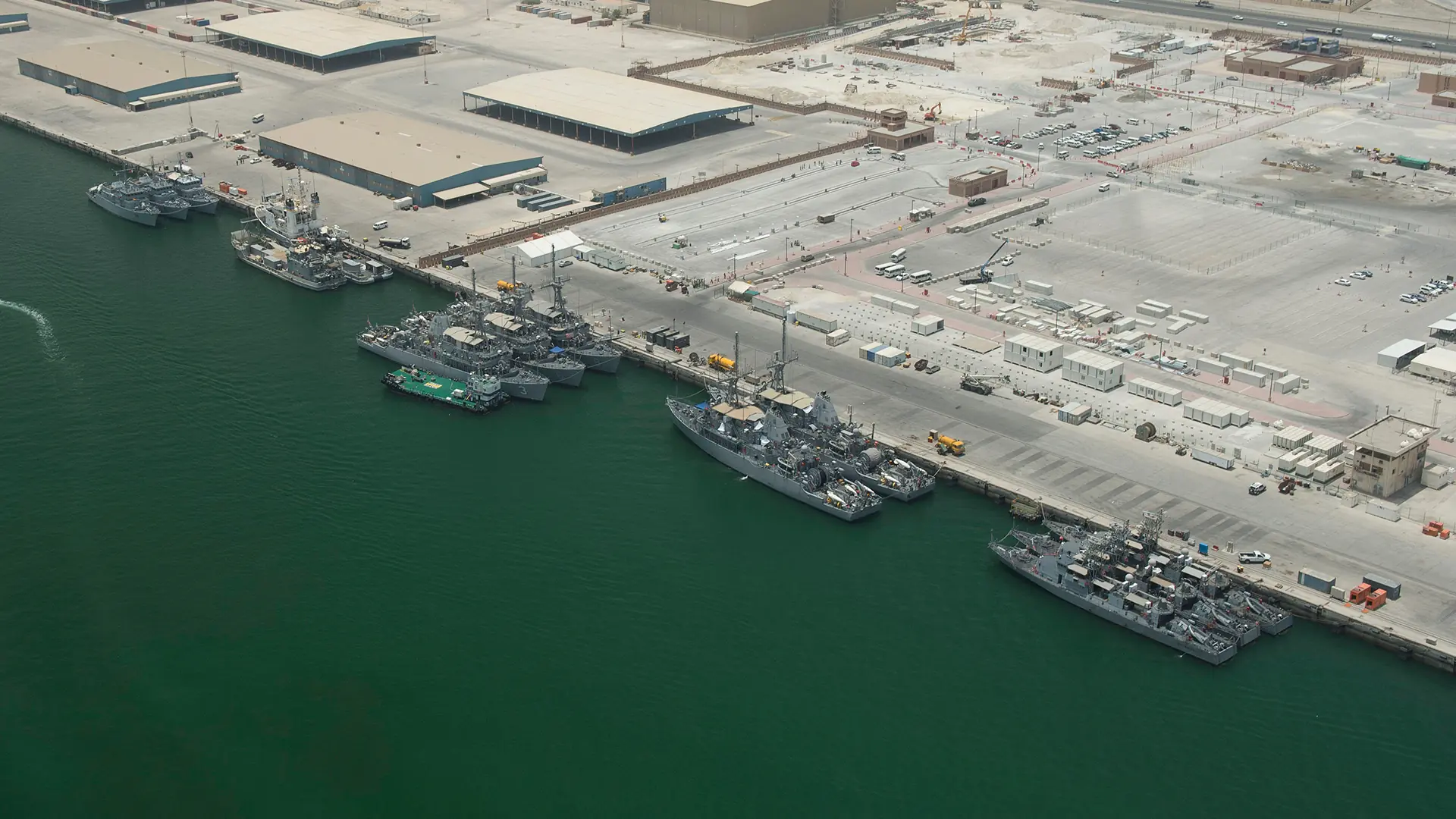
Why Asian economies are particularly exposed
Many Asian economies depend heavily on energy transported through the Strait of Hormuz.
China, India, Japan, and South Korea are among the major consumers of energy from the broader Middle East. Disruptions can therefore affect their fuel costs, industrial production, and trade balances.
Countries with diversified energy supplies may be better positioned to manage interruptions, but replacing large volumes of oil and gas is not always easy or immediate.
Europe and other international markets
European countries may also feel the impact through global oil and gas prices, shipping costs, and competition for alternative supplies.
Even when direct imports from the Gulf are limited, international energy markets connect prices across regions.
This means that a security incident in Bahrain or near the Strait of Hormuz can influence economic decisions far beyond the Middle East.
The importance of reliable reporting
In a fast-moving conflict, misinformation can spread almost as quickly as the news itself.
Old videos may be presented as new interceptions. Claims from military organizations may be repeated without independent confirmation. Images from unrelated events may be placed beside headlines to make a report appear more dramatic.
The supplied screenshot is an example of why readers should examine images carefully. Its upper photograph shows food being prepared and has no visible connection to missiles or air-defense operations. The lower image depicts a launcher firing, but without verified information about its origin, it cannot establish what happened in Bahrain or elsewhere in the Gulf.
Reliable reporting should identify the date, location, source, and context of photographs whenever possible.
It should also distinguish between official claims and independently verified findings.
A crisis with consequences beyond the battlefield
The latest reports from Bahrain demonstrate how quickly military developments can affect civilian life, regional diplomacy, and global commerce.
Air-defense systems may intercept incoming threats, but the wider consequences remain. Residents face uncertainty, shipping companies must reassess risks, and governments must consider how to protect infrastructure without triggering further escalation.
The Persian Gulf remains a region where military security and economic stability are closely connected.
For now, the most important questions are whether the attacks will continue, whether regional defenses can maintain their readiness, and whether diplomatic efforts can prevent another expansion of the conflict.
The headline describes air-defense batteries engaging incoming missiles over the Persian Gulf. The wider story is about much more than the launch of an interceptor: it is about the security of Bahrain, the presence of foreign military forces, the safety of civilians, and the stability of a maritime corridor that matters to the entire world.