The psychological effect of repeated alerts
Even when people are not physically injured, repeated warnings can affect their daily lives.
Residents may experience anxiety when they hear sirens, aircraft, or explosions. Parents may worry about children at school. Workers may wonder whether it is safe to travel. Families may struggle to plan ordinary activities while the security situation remains uncertain.
For people who have already experienced conflict or displacement, new alerts can be particularly distressing.
Clear communication is therefore an important part of public safety. Authorities need to explain what is known, what remains uncertain, and what residents should do.
Protecting children and vulnerable people
Emergency planning should consider people who may need additional help, including children, older adults, people with disabilities, and those who require regular medical treatment.
Families can benefit from knowing where to seek shelter and how to contact one another if communication networks are disrupted.
Schools, hospitals, care facilities, and workplaces also need procedures for responding to official alerts.
Preparedness does not mean expecting the worst at every moment. It means reducing confusion if an emergency occurs.
Chapter 6: The Military and Diplomatic Risks Behind the Escalation
The latest incidents are not isolated events. They are part of a wider confrontation in which both sides have described their actions as responses to earlier attacks.
Iran has argued that its operations are retaliation for US and Israeli military actions and alleged violations of Iranian airspace. Washington and its partners have described Iranian attacks on Gulf states and military installations as threats to regional security.
This cycle of action and retaliation makes diplomatic progress difficult.
Competing accounts of military success
In modern conflicts, governments often release statements describing the results of their operations.
One side may claim to have destroyed a radar system or damaged a military installation. The other may say that all incoming objects were intercepted and no equipment was harmed.
These accounts can differ because each side has its own political and military interests.
Independent verification can be difficult, particularly when the relevant facilities are restricted military sites.
For readers, the most reliable approach is to separate three questions:
-
Was an attack reported?
-
Did authorities confirm that defensive systems engaged it?
-
Has damage to the intended target been independently established?
In the Bahrain incidents, reports support the first two points in several cases. The IRGC's claims about destroying two Patriot radars at Al-Riffa and Awali should not be presented as independently confirmed facts based solely on its statement.
The risk of miscalculation
A dangerous feature of military confrontation is that one side may interpret a defensive or limited operation as preparation for a larger attack.
A drone interception, a strike against a military site, or an incident involving a ship can trigger a response that neither side originally intended to escalate.
This is known as the risk of miscalculation.
The danger becomes greater when communication between opposing governments is limited or when public statements are designed to demonstrate strength.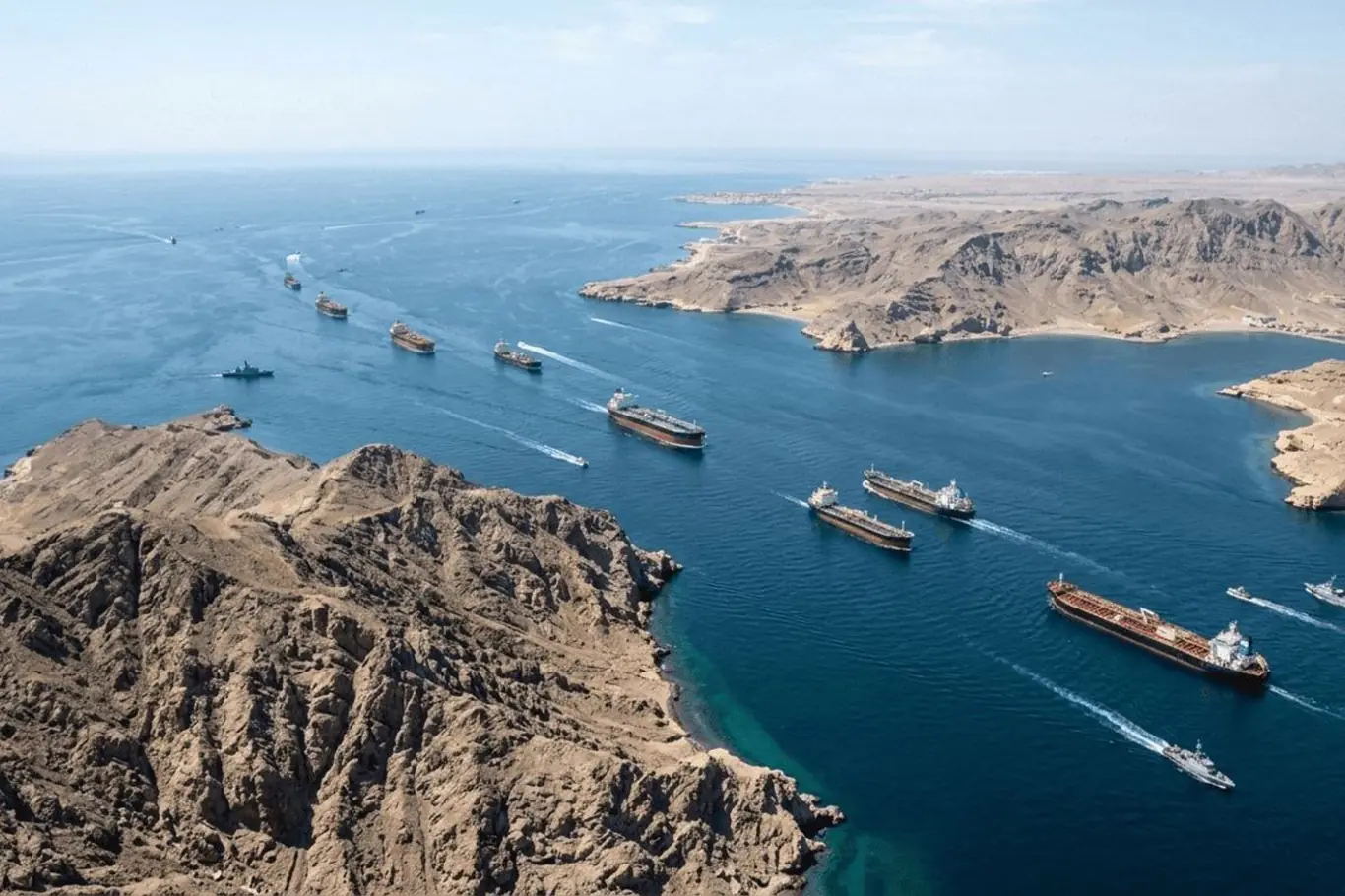
Why regional governments are concerned
Gulf governments have strong reasons to prevent the conflict from expanding.
Their economies depend on stable energy production, shipping, trade, investment, and international travel. A wider conflict could threaten infrastructure and damage confidence in the region's economic future.
Governments also need to protect their populations and maintain diplomatic relationships with several major powers.
The Gulf Cooperation Council has expressed solidarity with Bahrain following the latest reported attack. Such statements reflect concern that an attack on one member state may affect the security of the wider region.
The importance of diplomatic channels
Diplomatic contacts remain important even when military exchanges continue.
Countries such as Qatar and Oman have played roles in mediation efforts. Regional governments have also sought to prevent further escalation by engaging with Washington and other international partners.
Negotiations can be difficult because the parties may disagree over sanctions, military deployments, control of maritime routes, and security guarantees.
However, diplomatic channels can help reduce misunderstandings and create opportunities for de-escalation.
Why a pause in fighting would matter
A pause in hostilities could reduce immediate danger to civilians and shipping.
It could also allow governments to review emergency arrangements, restore commercial confidence, and negotiate more durable agreements.
But a temporary reduction in attacks does not automatically resolve the underlying disputes.
For a lasting improvement, the parties would need to address the issues driving the conflict rather than simply suspend military operations for a short period.
Chapter 7: Are Gulf Air-Defense Systems Facing Greater Pressure?
The increase in reported aerial incidents has raised questions about how long regional defense systems can sustain a high level of activity.
Air-defense networks depend on equipment, trained personnel, maintenance, communications, and a supply of interceptor missiles.
Even a well-equipped country must consider how quickly it can replace interceptors after repeated engagements.
Interceptors are not unlimited
Interceptor missiles are expensive and require complex production and maintenance processes.
A country may have a large inventory, but the rate at which those weapons can be used matters. If defensive systems repeatedly engage incoming threats, stocks can be reduced faster than they can be replenished.
This does not mean that a country is immediately defenseless when its inventory declines. Military planners consider reserves, production contracts, allied support, and alternative systems.
However, prolonged high-intensity activity can create pressure.
The cost of defending against drones and missiles
Different aerial threats require different responses.
A relatively inexpensive drone may force a defender to use a much more expensive interceptor if no other suitable method is available.
This creates an economic challenge. The cost of defending against repeated attacks can become substantial even when the attacks fail to cause physical damage.
Countries may therefore seek a combination of defensive measures rather than relying entirely on high-cost interceptor missiles.
Cooperation can improve coverage
Regional cooperation can help countries share information about aerial threats.
Radar coverage, early-warning information, and communication between military commands can improve the ability to identify objects approaching from different directions.
However, cooperation requires trust, compatible systems, and clear procedures.
A shared warning network is only useful if participating countries can exchange information quickly and interpret it correctly.
The importance of maintenance and training
Air-defense systems require constant maintenance.
Radar equipment, communication links, launchers, and command systems must remain functional. Operators need training to recognize threats and respond under pressure.
The human element remains important even in highly automated systems.