Most people rarely pay close attention to their urine unless something suddenly seems unusual. But changes in urine color, smell, clarity, or texture can sometimes provide important clues about what is happening inside the body. One change that often causes concern is foamy or bubbly urine.
Occasional bubbles in the toilet are usually harmless and may simply result from how quickly urine hits the water. However, persistent foamy urine - especially when it happens frequently can sometimes signal dehydration, dietary factors, or even underlying health conditions involving the kidneys or urinary system.
Understanding the possible causes can help you recognize when bubbles in urine are normal and when they may deserve medical attention.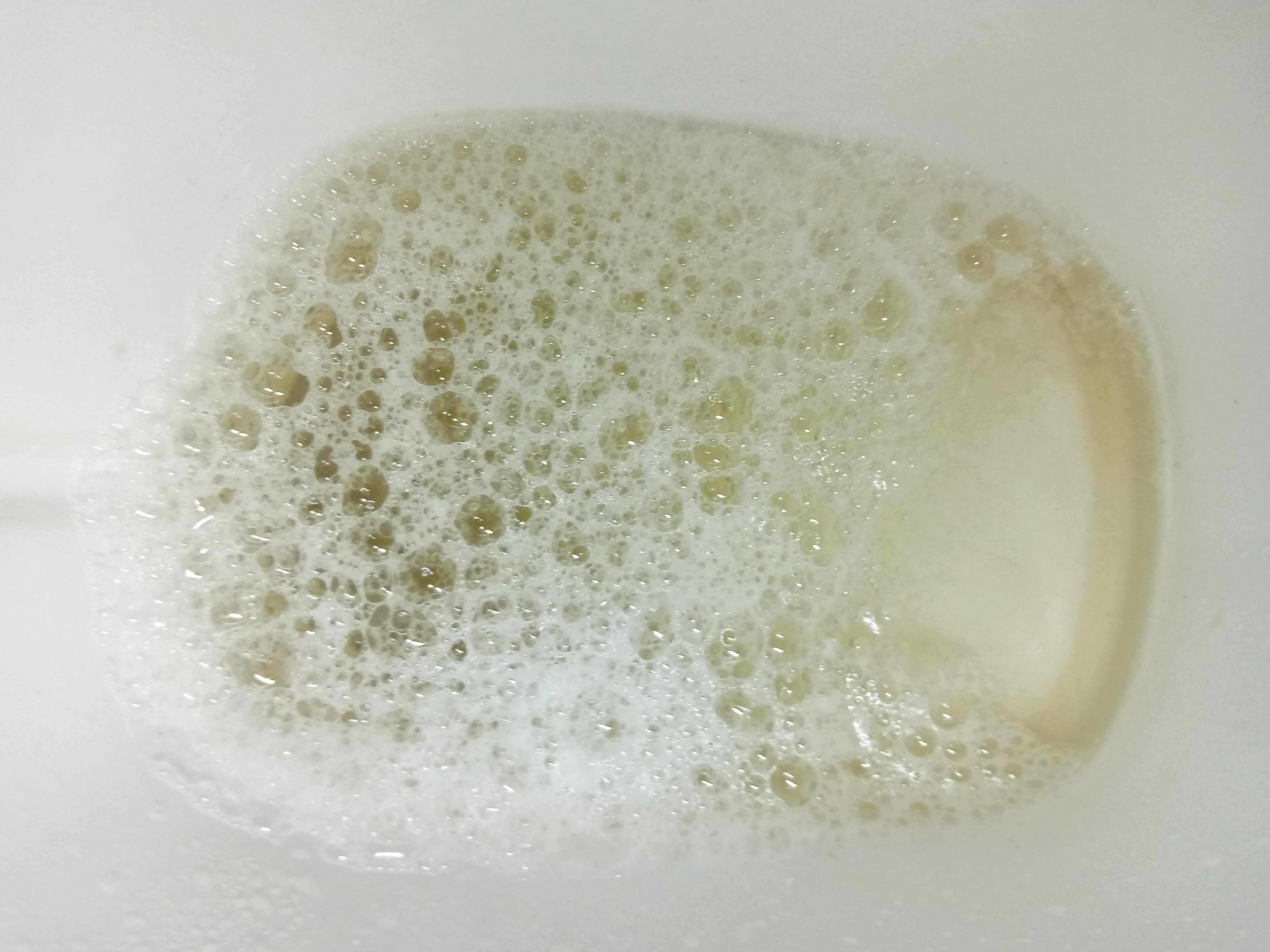
What Is Foamy Urine?
Foamy urine refers to urine that creates a layer of bubbles or foam after urinating.
Not all bubbles are the same. Sometimes the foam:
- Disappears quickly
- Appears only occasionally
- Happens after urinating forcefully
This type is often harmless.
However, persistent foam that:
- Appears repeatedly
- Looks thick or frothy
- Remains for a long time
may sometimes indicate a medical issue worth evaluating.
1. Fast Urination Can Create Temporary Bubbles
One of the most common and harmless causes of bubbles in urine is simply urinating quickly.
When urine hits toilet water with strong force, air becomes trapped and creates bubbles temporarily — much like pouring liquid rapidly into a cup.
This is especially common when:
- The bladder is very full
- Someone has been holding urine for a long time
- Urination occurs with strong pressure
In these cases, the bubbles usually disappear quickly and are not a cause for concern.
2. Dehydration May Cause Foamy Urine
When the body becomes dehydrated, urine becomes more concentrated.
Concentrated urine contains higher levels of waste products and may appear:
- Darker yellow
- Stronger smelling
- More bubbly or foamy
Mild dehydration can happen due to:
- Hot weather
- Sweating
- Not drinking enough water
- Exercise
- Illness
Increasing water intake often improves the appearance of urine if dehydration is the cause.
3. Protein in the Urine Could Be a Warning Sign
One of the more important causes of persistent foamy urine is protein in the urine, a condition called proteinuria.
Normally, healthy kidneys filter waste while keeping important proteins inside the bloodstream. If the kidneys become damaged or stressed, protein may leak into the urine.
Protein can create:
- Persistent foam
- Frothy appearance
- Long-lasting bubbles
Foamy urine caused by protein often appears repeatedly rather than occasionally.
Why Protein in Urine Matters
Proteinuria may sometimes signal kidney-related issues such as:
- Kidney disease
- Diabetes-related kidney damage
- High blood pressure effects
- Inflammation affecting kidney filters
Early kidney problems may develop silently without pain, making urine changes important warning signs.
4. Diabetes Can Affect the Kidneys
People with uncontrolled diabetes may develop kidney damage over time.
High blood sugar can strain the kidneys’ filtering system, allowing protein to leak into urine.
Foamy urine may sometimes appear alongside other symptoms such as:
- Frequent urination
- Increased thirst
- Fatigue
- Swelling
Diabetes-related kidney damage often develops gradually, which is why regular health monitoring is important.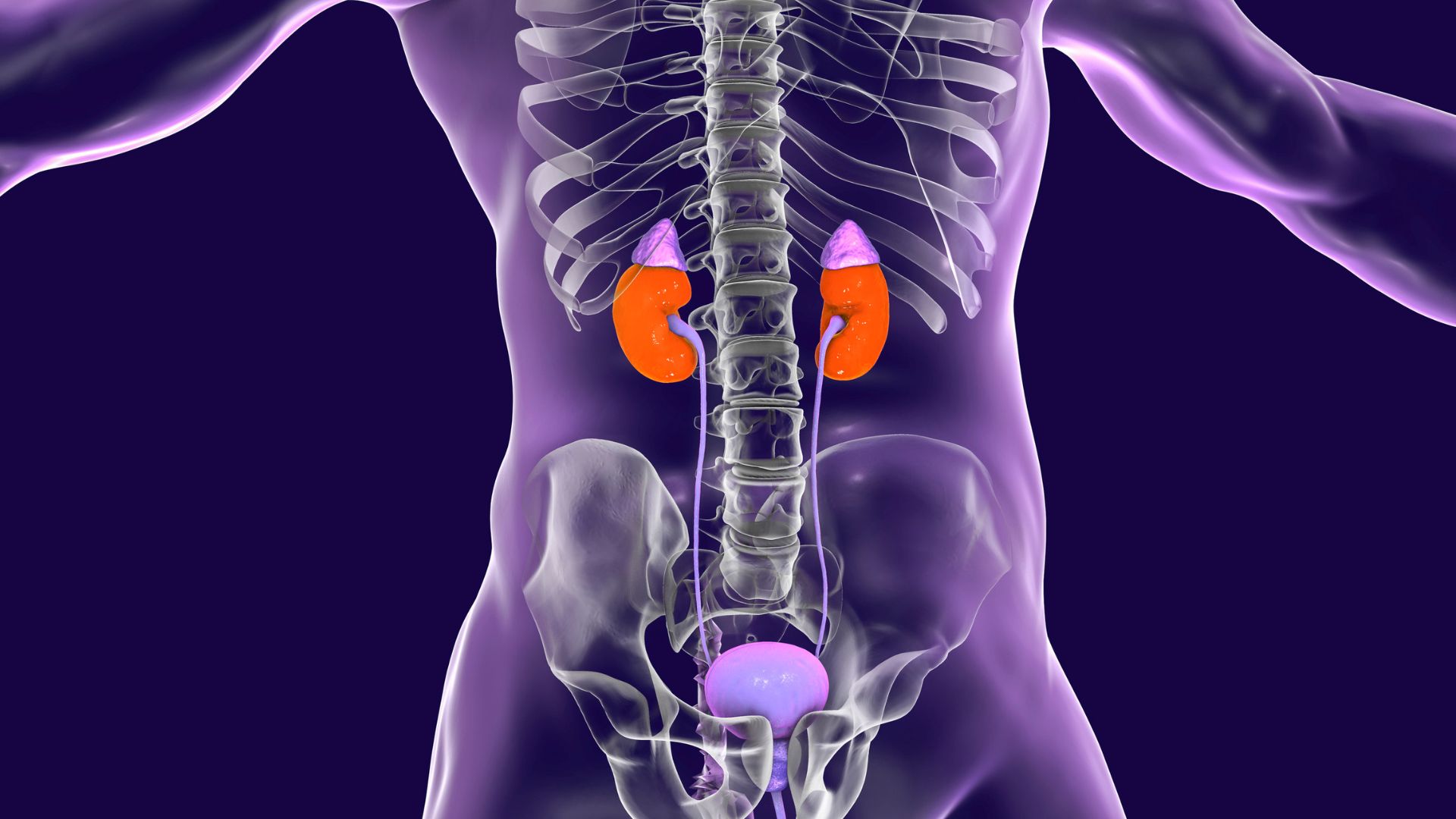
5. High Blood Pressure May Play a Role
High blood pressure can damage small blood vessels in the kidneys over time.
As kidney filtering becomes impaired, protein leakage may occur, leading to persistent foamy urine.
Because both high blood pressure and kidney disease may progress quietly for years, early symptoms are often subtle.
This is one reason regular health checkups are important even when people feel fine.
6. Urinary Tract Infections Can Sometimes Cause Foam
In some cases, urinary tract infections (UTIs) may alter urine appearance.
UTIs may also cause:
- Burning during urination
- Frequent urge to urinate
- Cloudy urine
- Strong odor
- Pelvic discomfort
Infections sometimes create bubbles or changes in urine consistency due to inflammation or substances present in the urine.
Medical treatment is important if infection symptoms appear.
7. Semen in the Urine May Cause Bubbles in Men
In some men, small amounts of semen may mix with urine, creating a foamy appearance.
This may happen temporarily after ejaculation or due to certain medical conditions involving the bladder or prostate.
Although usually harmless, persistent symptoms should still be evaluated if they occur regularly.
8. Certain Medications May Affect Urine Appearance
Some medications and supplements may influence:
- Urine concentration
- Protein levels
- Urine appearance
Examples may include:
- Certain antibiotics
- Vitamin supplements
- Medications affecting kidney function
If urine changes begin shortly after starting a new medication, discussing it with a healthcare professional may help identify the cause.
9. Excessive Protein Intake May Contribute
High-protein diets have become increasingly popular.
Very high protein intake may sometimes place additional stress on the kidneys, especially in people with underlying kidney conditions.
Some individuals consuming extremely protein-heavy diets may notice:
- Strong-smelling urine
- More concentrated urine
- Occasional foaminess
For healthy people, moderate protein intake is usually safe, but balance remains important.
10. Kidney Disease May Develop Quietly
One reason persistent foamy urine deserves attention is because kidney disease often develops silently.
Early kidney damage may not cause:
- Pain
- Obvious illness
- Severe symptoms
Instead, subtle signs may appear first, including:
- Foamy urine
- Swelling in the legs
- Fatigue
- High blood pressure
- Changes in urination
Detecting kidney problems early may help slow progression and protect long-term health.
When Should You See a Doctor?
Occasional bubbles are usually harmless. However, medical evaluation may be important if:
- Foam appears consistently
- Urine stays frothy frequently
- Swelling develops
- Fatigue increases
- Blood appears in urine
- Urination changes significantly
Doctors may perform:
- Urine tests
- Blood tests
- Kidney function evaluations
to determine whether protein or other abnormalities are present.
How to Support Kidney and Urinary Health
Healthy habits may help support the urinary system and kidneys over time.
Drink Enough Water
Proper hydration helps maintain healthy urine concentration.
Manage Blood Pressure
Healthy blood pressure protects kidney blood vessels.
Control Blood Sugar
Managing diabetes reduces kidney strain.
Avoid Excessive Salt
High sodium intake may stress the kidneys.
Stay Physically Active
Exercise supports circulation and metabolic health.
Get Regular Checkups
Routine testing may detect silent problems early.
Not Every Bubble Means Danger
It’s important not to panic when noticing occasional foam in urine.
Temporary bubbles often result from:
- Speed of urination
- Mild dehydration
- Toilet cleaning products
- Temporary dietary factors
The key concern is persistence and accompanying symptoms.
Consistent foamy urine deserves attention, especially when combined with fatigue, swelling, or other changes.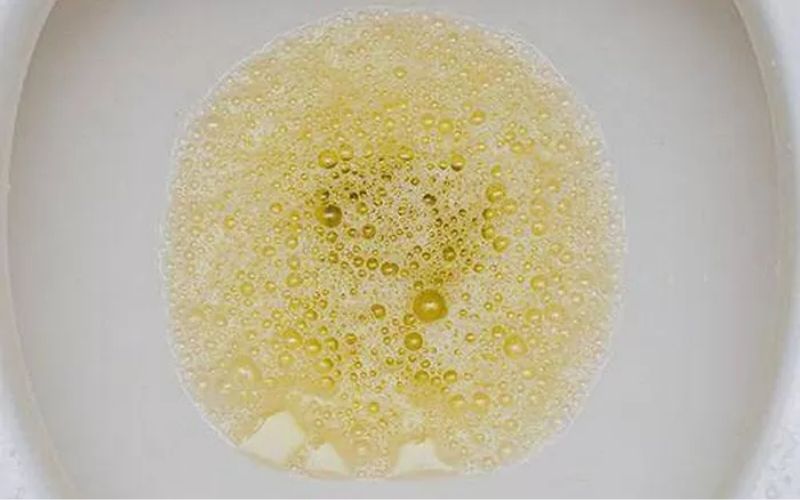
Final Thoughts
Bubbles in urine are surprisingly common and often harmless. In many cases, they simply reflect fast urination or temporary dehydration. However, persistent foamy urine can sometimes signal deeper issues involving kidney function, protein leakage, blood sugar control, or urinary health.
The body often provides subtle clues long before serious symptoms appear.
Paying attention to changes in urine may help identify health problems earlier, when they are often easier to manage and treat.
Sometimes even something as simple as bubbles in the toilet can quietly reveal important information about what is happening inside the body.