Although bubbles in urine are often harmless, persistent foam can occasionally be a sign that something deserves closer attention. One possible explanation is protein in the urine, a condition known as proteinuria, which can occur when the kidneys are not filtering blood as effectively as they should. However, foamy urine alone does not necessarily mean that a person has kidney disease.
Understanding the difference between ordinary bubbles and persistent foam can help you decide when to monitor the situation and when to seek medical advice. Here is what you should know about the possible causes, warning signs, medical tests, and practical steps that can help protect your urinary and kidney health.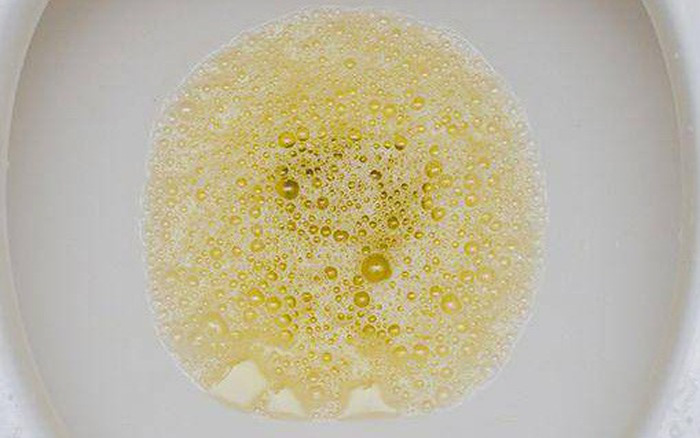
1. Is It Normal to Have Bubbles in Your Urine?
Yes. Occasional bubbles in urine are common and do not automatically indicate a health problem.
When urine enters the toilet bowl, the force of the stream can trap air and create bubbles. This is similar to the way water produces bubbles when poured quickly into a glass. If the bubbles disappear rapidly, the appearance is often related to the speed of urination, the amount of urine, or the shape of the toilet bowl rather than an underlying illness.
For example, you might notice more bubbles when your bladder is very full and you urinate with greater force. Cleaning products left in the toilet can also change the appearance of urine, creating bubbles or foam that might otherwise be absent.
The important distinction is between temporary bubbles and persistent, unusually thick foam.
Temporary bubbles tend to disappear quickly. Foamy urine may look more like a layer of small, tightly packed bubbles resembling the foam on a drink. If this happens repeatedly, particularly when the foam remains for a while, it may be worth discussing with a healthcare professional.
Appearance alone cannot determine whether urine contains protein or whether the kidneys are functioning normally. A urine test is needed to investigate those possibilities.
2. Dehydration Can Make Urine More Concentrated
One of the common explanations for changes in urine appearance is inadequate fluid intake.
When you do not drink enough fluids, your body conserves water, making your urine more concentrated. Concentrated urine is often darker yellow and may have a stronger smell than usual. Depending on how it enters the toilet, it may also appear more bubbly or foamy.
Dehydration can occur after exercising, spending time in hot weather, sweating heavily, or experiencing vomiting or diarrhea. Some people also drink very little water throughout the day because they are busy or simply do not feel thirsty.
You may notice concentrated urine first thing in the morning because you have gone several hours without drinking while sleeping.
If dehydration is contributing to the appearance, drinking fluids regularly may help the urine return to its usual color and appearance. However, the effect is not a reliable diagnostic test. Persistent foam should not automatically be attributed to dehydration, particularly if it continues despite normal hydration.
A practical approach is to drink water regularly throughout the day and pay attention to thirst and urine color. Pale-yellow urine is a useful general guide for many healthy adults, although normal color varies with diet, medications, supplements, and individual circumstances.
People who have been advised to restrict fluids because of kidney disease, heart failure, or another medical condition should follow their clinician's fluid recommendations rather than deliberately increasing water intake.
3. Protein in the Urine May Be a Sign of Kidney Problems
One of the most important medical explanations for persistent foamy urine is proteinuria, which means that an abnormal amount of protein is present in the urine.
Your kidneys contain millions of tiny filtering structures called nephrons. Within these structures are microscopic filters that help remove waste products and excess fluid from the blood while retaining important substances, including most proteins.
Albumin is one of the main proteins found in blood. Under normal circumstances, only a very small amount passes into the urine. If the kidney filters become damaged or their function changes, more albumin may leak into the urine.
Because proteins can affect the surface properties of liquids, excess protein in urine may contribute to persistent foam.