Do not force yourself to drink excessive amounts of water. More water is not always better, particularly for people with certain heart or kidney conditions.
Observe whether the foam persists
Notice whether the bubbles disappear quickly or whether a dense layer remains repeatedly. You do not need to inspect every urination or become preoccupied with small changes.
If the foam is new and continues over several days, arrange a routine medical assessment, particularly if you have diabetes, high blood pressure, or a history of kidney disease.
Review your medications
Consider whether you have recently started a medicine or supplement, but do not assume that it is responsible. Ask a pharmacist or healthcare professional whether any medication could affect your kidneys or urine.
Manage blood pressure and blood glucose
If you have hypertension or diabetes, follow your treatment plan and attend recommended monitoring appointments. These steps are important for kidney health even when your urine looks normal.
Avoid unproven kidney cleanses
Herbal mixtures, detox drinks, and supplements marketed as kidney cleanses have not been shown to reliably treat the underlying causes of persistent foamy urine. Some products can interact with medications or even damage the kidneys.
If proteinuria or kidney disease is suspected, appropriate testing and evidence-based treatment are more useful than trying to change urine appearance with home remedies.
15. When Should You See a Doctor?
Consider arranging a medical appointment if:
-
Foamy urine occurs frequently and does not resolve.
-
The foam is new and noticeably different from your usual urine.
-
You have diabetes, high blood pressure, or a known kidney condition.
-
You notice swelling around your eyes, ankles, or feet.
-
You see blood in your urine.
-
You develop persistent changes in urination or unexplained fatigue.
-
A urine test has shown protein or another abnormal finding.
Seek urgent medical care if urinary symptoms occur with fever and chills, severe side or back pain, repeated vomiting, or difficulty passing urine. Severe shortness of breath, chest pain, or sudden severe illness also requires emergency assessment.
You do not need to wait for multiple warning signs to appear before seeking help. Kidney disease can be present without obvious symptoms, and early testing may identify problems before they become more advanced.
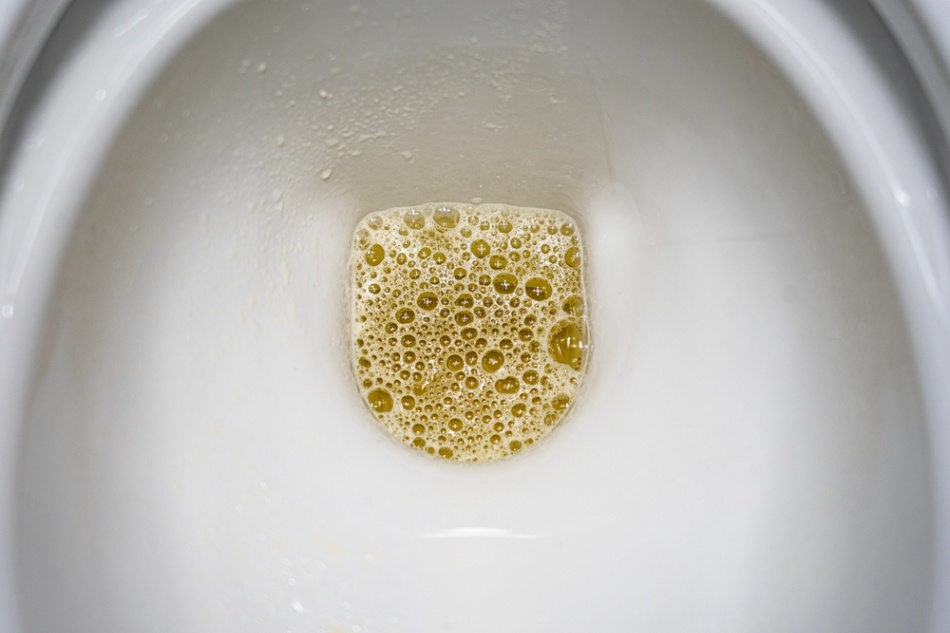
16. Common Myths About Foamy Urine
Myth 1: Foamy urine always means kidney disease.
Fact: The force of urination, concentrated urine, and other harmless factors can create bubbles. Persistent foam may warrant testing, but appearance alone cannot diagnose kidney disease.
Myth 2: If my urine is pale yellow, my kidneys must be healthy.
Fact: Urine color provides limited information about hydration. Kidney disease, including early kidney damage, can occur even when urine looks normal.
Myth 3: Drinking more water will always eliminate foam.
Fact: Hydration may help if concentrated urine contributes to the appearance. It will not necessarily resolve foam caused by proteinuria or another medical condition.
Myth 4: Kidney disease always causes pain.
Fact: Many forms of chronic kidney disease produce few or no symptoms during the early stages. Blood and urine tests can detect abnormalities before pain develops.
Myth 5: One abnormal urine test confirms chronic kidney disease.
Fact: Temporary changes can occur during illness, fever, or strenuous exercise. Clinicians consider repeat testing and other findings when determining whether kidney disease is present.
Myth 6: Natural supplements can flush protein out of the urine.
Fact: There is no reliable evidence that a general-purpose detox or kidney cleanse can correct the causes of persistent proteinuria. Treatment depends on the underlying condition.
The Bottom Line
Bubbles in your urine are not necessarily a reason to worry. They may simply result from a forceful urine stream, concentrated urine, or another harmless factor. If they disappear quickly and occur only occasionally, they are often not a sign of a serious problem.
However, persistent foamy urine deserves attention because it can sometimes indicate protein leakage from the kidneys. Diabetes, high blood pressure, certain inflammatory conditions, and other medical problems can contribute to this finding.
Pay attention to changes that persist, especially when accompanied by swelling, blood in the urine, altered urination, or other unexplained symptoms. A simple urine test, along with appropriate blood tests when indicated, can provide much more useful information than appearance alone.
Most importantly, do not try to diagnose yourself by the size or number of bubbles in the toilet. Monitor persistent changes, maintain appropriate hydration, manage existing health conditions, and seek medical advice when needed.
Your urine can offer useful clues about your health, but testing - not guesswork is the way to find out what those clues mean.