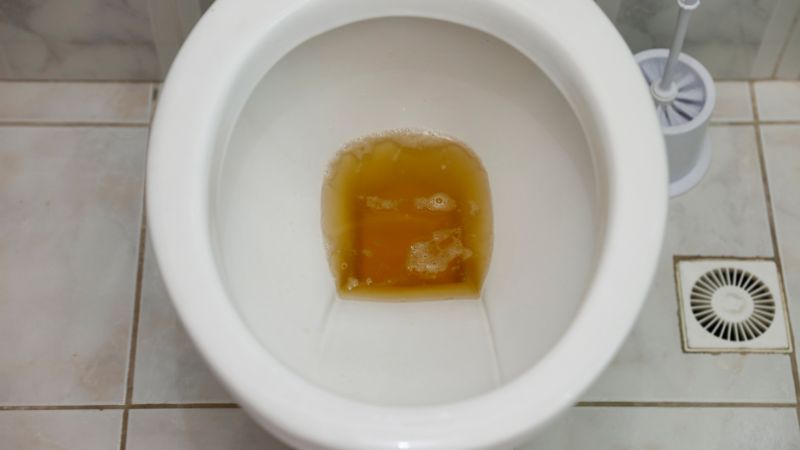
However, foamy urine is not proof of kidney disease. Some people with kidney disease have no noticeable changes in their urine, while others experience bubbles for reasons unrelated to kidney function. Laboratory testing is the only reliable way to determine whether excess protein is present.
Potential causes of proteinuria include:
-
Chronic kidney disease.
-
Diabetes-related kidney damage.
-
High blood pressure that affects the kidneys.
-
Certain inflammatory conditions affecting the kidney filters.
-
Some infections or other temporary illnesses.
-
Strenuous physical exercise, which can temporarily increase urinary protein.
If you repeatedly notice thick foam, especially alongside swelling around your eyes or ankles, changes in urination, or a history of diabetes or high blood pressure, arrange a medical assessment.
Early detection of kidney problems can be valuable because treatment may help slow further damage and reduce the risk of complications.
4. Diabetes Can Affect Kidney Function
Diabetes is a major risk factor for chronic kidney disease. Over time, persistently elevated blood glucose can damage the small blood vessels and filtering structures inside the kidneys.
This condition is known as diabetic kidney disease.
In its early stages, diabetic kidney disease often causes no obvious symptoms. A person may feel well, urinate normally, and notice nothing unusual. In some cases, increased albumin in the urine is one of the earliest detectable signs that the kidneys are being affected.
As the condition progresses, some people develop persistent foamy urine, swelling, or other symptoms. However, these changes are not specific to diabetes, and their absence does not rule out kidney damage.
Other symptoms of diabetes may include:
-
Increased thirst.
-
Frequent urination.
-
Unexplained weight loss.
-
Fatigue.
-
Blurred vision.
-
Slow-healing cuts or wounds.
These symptoms can have several causes, but persistent or unexplained symptoms deserve medical attention.
People with diabetes should generally have their kidney health monitored through blood and urine tests as recommended by their healthcare professional. Common assessments include estimated glomerular filtration rate (eGFR), calculated from a blood test, and the urine albumin-to-creatinine ratio (UACR).
Managing blood glucose, controlling blood pressure, following prescribed treatment, and attending regular checkups can help reduce the risk of diabetic kidney complications.
5. High Blood Pressure Can Damage the Kidneys
High blood pressure and kidney health are closely connected.
The kidneys rely on an extensive network of blood vessels to filter waste and maintain the body's fluid and electrolyte balance. When blood pressure remains elevated over time, it can damage these vessels and impair kidney function.
Conversely, kidney disease can contribute to high blood pressure by affecting how the body regulates sodium, water, and hormones involved in blood pressure control.
This relationship can create a cycle in which each condition makes the other more difficult to manage.
Persistent foamy urine may be one possible sign of protein leakage associated with kidney damage, but many people with high blood pressure experience no urinary symptoms at all.
Other potential signs of advanced kidney problems include swelling, fatigue, changes in urination, and difficulty controlling blood pressure. These symptoms are not always present and may also result from other conditions.
Because hypertension is often symptomless, checking your blood pressure regularly is important, particularly if you have diabetes, a family history of kidney disease, or other cardiovascular risk factors.
If you have high blood pressure, follow your prescribed treatment plan and ask your healthcare professional whether kidney function and urinary albumin should be checked.
6. Urinary Tract Infections May Change Urine Appearance
A urinary tract infection (UTI) occurs when microorganisms, usually bacteria, infect part of the urinary system.
Depending on the location and severity of the infection, urine may become cloudy, develop a stronger smell, or occasionally appear bubbly. Inflammation can also cause white blood cells and other substances to enter the urine.
However, bubbles alone are not a reliable indicator of a urinary tract infection.
More characteristic symptoms include:
-
A burning or painful sensation when urinating.
-
An increased need to urinate.
-
Passing small amounts of urine frequently.
-
Pain or pressure in the lower abdomen.
-
Cloudy or bloody urine.
A kidney infection may cause additional symptoms, including fever, chills, pain in the side or back, nausea, and vomiting.
If you develop fever or chills together with urinary symptoms and pain in your side or back, seek prompt medical care because a kidney infection may require urgent treatment.
A clinician may recommend a urinalysis or urine culture to determine whether an infection is present and which treatment is appropriate.
Do not assume that persistent foam is caused by an infection simply because the urine looks unusual. Other explanations, including proteinuria, may need to be investigated.