The fireplace provides another point of focus. In a room of this scale, a fireplace helps create a sense of gathering and warmth. It gives the space a domestic purpose rather than allowing it to feel like an empty hall.
The furnishings shown in the interior photograph are arranged to create smaller conversation areas within the larger room. Sofas and chairs define places to sit, while rugs help visually separate the seating areas from the surrounding floor.
This is an important part of making a large historic room comfortable. Without carefully planned furniture, a great room can feel impressive but difficult to use. The arrangement shown in the photograph suggests that the space is intended for both everyday relaxation and larger gatherings.
The room's size also gives it flexibility. It can accommodate family activities, entertaining, reading or simply enjoying the architecture. The high ceiling and broad windows make it feel open, while the stone and timber materials keep it from becoming cold or impersonal.
What makes the room memorable is not just its dimensions. It is the way its architectural elements work together: the beams, gallery, fireplace, stonework and windows all contribute to one coherent space.
8. Hand-Hewn Beams and the Craftsmanship of Wood
The exposed beams are among the strongest visual elements in the great room. The restoration materials describe them as hand-hewn, emphasizing the craftsmanship associated with the home's original character.
Hand-hewn wood carries marks of the tools and techniques used to shape it. Unlike perfectly uniform modern lumber, it can have subtle irregularities that make each beam feel individual.
In a historic house, this texture is important. The beams help create the impression that the building was assembled through skilled manual work rather than simply finished with decorative surfaces.
The home also features Michigan white-oak paneling and extensive woodwork. The restoration description notes that much of the original wood was cleaned, stripped, refinished and restored. Where sections could not be saved, replacement pieces were made to match the original character.
This type of work requires patience. Old wood may have accumulated layers of finish, dust or damage over many decades. Removing those layers without harming the underlying material takes care. Recreating missing trim also requires close attention to dimensions, profiles and the appearance of the surrounding pieces.
The result is a home in which wood does more than provide structure. It contributes to the atmosphere of the interior.
In the great room, the beams give the ceiling a strong visual framework. Elsewhere, paneling and trim provide a more intimate scale. The same material can therefore create both grandeur and warmth.
The contrast between the wood and the stone is especially effective. Stone feels permanent and grounded, while wood introduces warmth and a sense of human craftsmanship. Together, they create the character that makes the house feel like a historic estate rather than a contemporary home decorated in a traditional style.
9. The Upper Gallery and the Experience of Space
The gallery visible in the interior photograph is more than an architectural flourish. It changes how the great room is experienced.
From the main floor, the upper walkway creates a sense of height and depth. From above, it offers a different perspective of the beams, windows and fireplace. The room becomes a connected environment rather than a single enclosed space.
This arrangement is particularly effective in large houses because it allows different areas to remain visually connected. People can move between floors while retaining a sense of the central room.
The gallery also emphasizes the craftsmanship of the timber structure. Its railing and supporting elements form part of the room's architectural language, echoing the woodwork in the ceiling.
A space like this requires careful lighting. The high ceiling means that ordinary table lamps cannot illuminate every part of the room. The chandeliers and other fixtures shown in the photograph help bring light into the upper volume, while floor and table lamps provide more localized illumination.
The lighting strategy also affects the mood. During the day, the tall windows provide natural light. In the evening, warm fixtures can emphasize the stone walls and wood beams, creating a more intimate atmosphere.
The great room is therefore not a static architectural display. It changes throughout the day and can support different activities depending on how it is furnished and illuminated.
That adaptability is one of the qualities that makes a successful historic restoration. A room must remain visually faithful to its past while serving the needs of people who live there now.
10. The Kitchen: Historic Character Meets Everyday Practicality
A grand living room may capture the imagination, but the kitchen often determines how comfortably a house works on an ordinary day. In this estate, the kitchen is described as a carefully updated space that retains elements of the home's earlier character while providing modern convenience.
The restoration account explains that the original arrangement included separate service areas such as a pantry, storage rooms and closets. A later renovation changed the configuration, creating a more open kitchen layout. The recent work updated surfaces and appliances while retaining a connection to the house's historic materials and proportions.
White oak flooring was selected to reflect the wood species that would have been appropriate to the period. Although the original floor could not be saved, the replacement was chosen to maintain a visual connection with the home's architectural heritage.
This is a thoughtful approach to restoration. A historic kitchen does not necessarily need to remain frozen in its original configuration. The way people prepare food, store groceries and gather with family has changed considerably since 1925. A modern household may expect larger work surfaces, more convenient storage, updated cooking equipment and better connections to dining and living spaces.
The challenge is to make those improvements without allowing the kitchen to feel disconnected from the rest of the house.
The property description mentions refinished cabinetry and updated appliances, including modern cooking equipment. A butler's pantry also contributes to the home's traditional character, providing a practical transition between the kitchen and formal entertaining spaces.
A butler's pantry was historically useful for preparing and serving meals away from the main dining room. In a large residence, it could provide storage for dishes, glassware and serving pieces while helping keep the kitchen organized during gatherings.
Today, the feature can still be useful. It offers additional counter space and storage, and it can make entertaining easier by allowing preparation and serving tasks to happen outside the main social areas.
The kitchen therefore represents a different kind of luxury from the great room. Its value is not primarily visual drama. It lies in the way historic details and modern functionality have been brought together for daily use.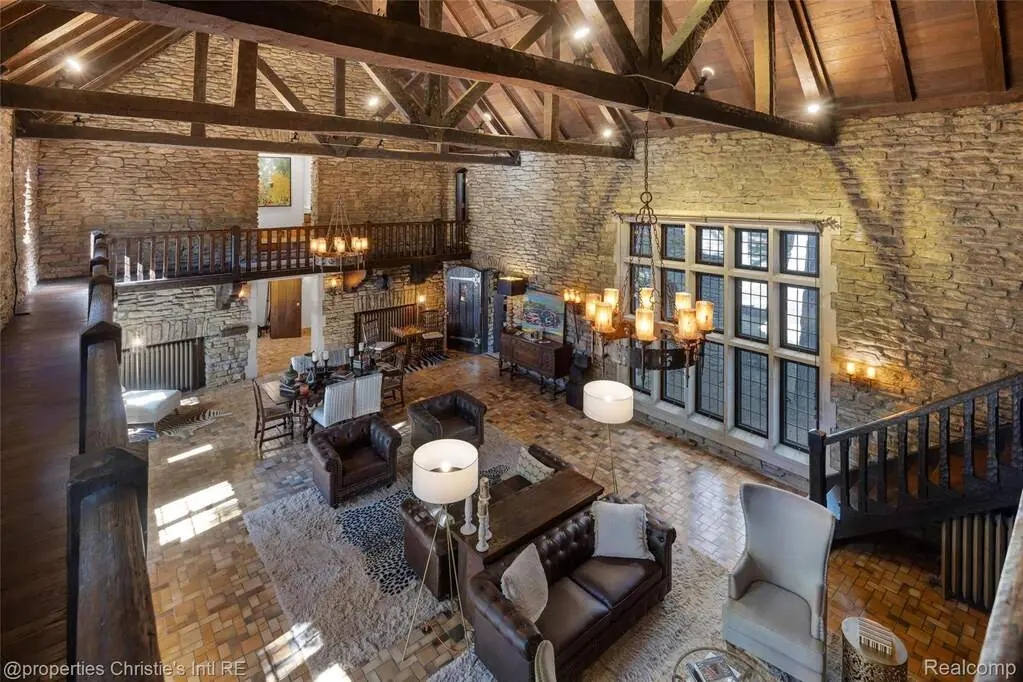
11. A Remarkable Link to Detroit's Early Refrigeration History
One of the most unusual details mentioned in the restoration material is the built-in Chrysler-Koppin refrigerator. The original unit has reportedly been restored and remains operational after being fitted with modern refrigeration components.
For a house built in 1925, this is more than an interesting appliance. It is a physical reminder of how domestic technology was changing during the early twentieth century.
Refrigeration was becoming an increasingly important part of modern household life. Before electric refrigerators became common, many homes relied on iceboxes that required regular delivery of ice. Mechanical refrigeration offered a different way to preserve food, but early systems could be complicated and expensive to maintain.