If Not Eaten Properly, Cabbage Could Trigger Certain Health Problems 😲
Cabbage is often praised as a “super vegetable” — affordable, nutrient-rich, and widely used in cuisines around the world. From fresh salads to hearty soups and fermented dishes, it’s a staple in many healthy diets.
But here’s something many people don’t realize: if cabbage is not prepared or consumed properly, it can lead to unexpected health problems.
Let’s break down the truth behind this common vegetable 👇
🥬 1. Digestive Discomfort and Bloating
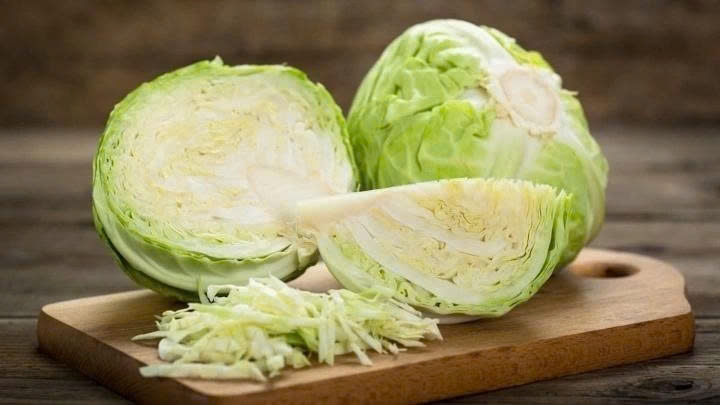
Cabbage contains a type of sugar called raffinose, which the human body struggles to digest. When it reaches the intestines, bacteria ferment it — producing gas.
👉 The result?
- Bloating
- Stomach discomfort
- Excess gas
This is especially noticeable when cabbage is eaten raw in large amounts.
⚠️ 2. Thyroid Function May Be Affected
Cabbage belongs to a group of vegetables known as cruciferous vegetables, which contain compounds called goitrogens. These substances can interfere with iodine absorption — an essential element for proper thyroid function.
👉 People at higher risk:
- Those with iodine deficiency
- Individuals with thyroid disorders
⚠️ Important note: Cooking cabbage significantly reduces this effect, making it much safer to eat.
🦠 3. Risk of Contamination if Not Washed Properly
Like many leafy vegetables, cabbage can carry:
- Dirt
- Bacteria
- Pesticide residues
If not washed thoroughly, consuming contaminated cabbage may lead to foodborne illnesses, including stomach infections.
🧂 4. Too Much Fermented Cabbage Can Raise Sodium Intake
Fermented cabbage dishes like sauerkraut or kimchi are rich in probiotics — great for gut health. However, they can also be very high in sodium.
👉 Excess sodium intake may:
- Increase blood pressure
- Raise the risk of heart disease
Moderation is key.
⚖️ 5. Overeating Can Backfire
Even healthy foods can cause issues when consumed excessively. Eating too much cabbage may lead to:
- Digestive upset
- Imbalance in nutrient intake
- Increased gas and discomfort
A balanced diet is always the best approach.
✅ How to Eat Cabbage Safely
To enjoy the benefits of cabbage without the risks:
✔ Wash thoroughly under running water
✔ Cook it if you have thyroid concerns
✔ Eat in moderate portions
✔ Limit high-sodium fermented versions
✔ Combine with a balanced diet
🌿 Final Thoughts
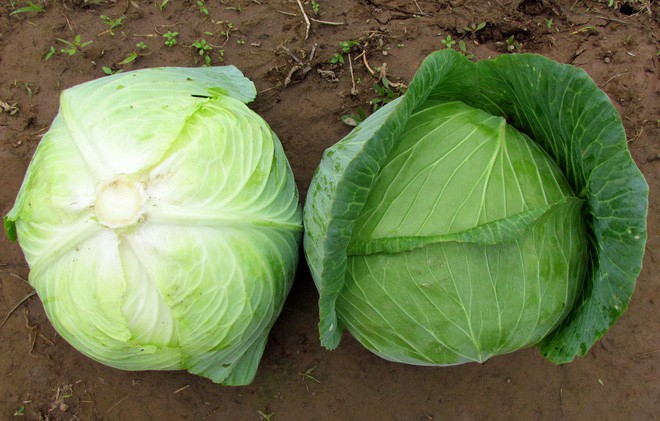
Cabbage is undeniably nutritious — rich in fiber, vitamin C, and antioxidants. But like many foods, how you prepare and consume it matters just as much as the food itself.
A few simple precautions can help you enjoy cabbage safely while avoiding unnecessary health issues.
📚 Sources
- World Health Organization – Food safety and healthy diet guidelines
- Harvard T.H. Chan School of Public Health – Cruciferous vegetables and health effects
- Cleveland Clinic – Digestive effects of high-fiber vegetables
- National Institutes of Health – Thyroid and iodine interaction with goitrogens