Cancer is a complex group of diseases that can affect nearly any part of the body. While some cancers develop silently with few noticeable symptoms, others may produce warning signs long before a diagnosis is made.
It is important to understand that having one or more of these symptoms does not automatically mean cancer is present. Many common health conditions can cause similar changes. However, when symptoms persist, worsen over time, or occur without a clear explanation, they deserve medical attention.
Recognizing potential warning signs early may help individuals seek evaluation sooner, leading to earlier diagnosis and potentially more treatment options.
Here are 10 symptoms that health experts commonly recommend paying attention to.
1. Unexplained Weight Loss
One of the most frequently discussed warning signs is losing weight without intentionally changing diet or exercise habits.
What You May Notice
-
Clothes fitting more loosely
-
Reduced body weight over several weeks or months
-
No obvious reason for the weight loss
Why It Matters
Unintentional weight loss can occur when the body uses more energy than usual or when appetite and metabolism change.
While many conditions can cause weight loss, persistent unexplained changes should be evaluated.
2. Persistent Fatigue
Everyone feels tired occasionally, but cancer-related fatigue is often described differently.
Common Characteristics
-
Extreme exhaustion
-
Fatigue that does not improve with rest
-
Difficulty performing normal activities
-
Persistent low energy
Why It Matters
Fatigue may occur because of changes in metabolism, inflammation, anemia, or other underlying processes.
3. Persistent Pain
Pain that continues for weeks or months without a clear explanation should not be ignored.
Examples
-
Ongoing headaches
-
Bone pain
-
Abdominal pain
-
Back pain
Important Note
Pain alone rarely confirms cancer, but persistent symptoms deserve evaluation.
4. Changes in the Skin
The skin can sometimes provide clues about underlying health issues.
Changes to Watch For
-
New growths
-
Changes in existing moles
-
Persistent sores
-
Unusual pigmentation
-
Yellowing of the skin
Why Early Attention Matters
Skin changes are often easier to detect than internal symptoms.
5. A Lump or Thickening
Many people first seek medical attention after discovering a lump.
Common Areas
-
Breast tissue
-
Neck
-
Underarms
-
Testicles
-
Soft tissues
Not all lumps are cancerous, but any new or changing mass should be examined by a healthcare professional.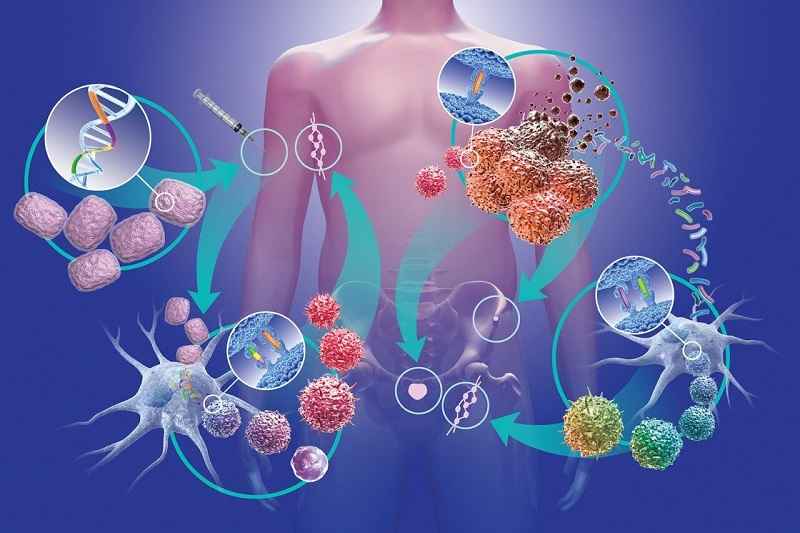
6. Changes in Bowel Habits
Persistent digestive changes can sometimes indicate an underlying issue.
Symptoms May Include
-
Ongoing diarrhea
-
Persistent constipation
-
Changes in stool appearance
-
Blood in the stool
-
Feeling that the bowel does not empty completely
These symptoms may result from many different conditions, but persistent changes should be investigated.
7. Changes in Urination
Urinary symptoms may also deserve attention when they persist.
Possible Signs
-
Blood in the urine
-
Frequent urination
-
Difficulty urinating
-
Pain during urination
Again, these symptoms are often caused by non-cancerous conditions but should not be ignored.
8. Persistent Cough or Hoarseness
Most coughs improve within a few weeks.
Warning Signs
-
A cough lasting several weeks
-
Hoarseness that does not resolve
-
Coughing up blood
-
Shortness of breath
Why It Matters
Persistent respiratory symptoms may require further medical evaluation.
9. Difficulty Swallowing
Swallowing problems can affect nutrition and quality of life.
What You May Notice
-
Food feeling stuck
-
Pain while swallowing
-
Increasing difficulty eating
Persistent swallowing issues should always be assessed by a healthcare provider.
10. Unusual Bleeding or Discharge
Unexpected bleeding can occur for many reasons, but it is an important symptom to discuss with a healthcare professional.
Examples Include
-
Blood in stool
-
Blood in urine
-
Unusual vaginal bleeding
-
Persistent nosebleeds
-
Coughing up blood
The cause may be benign, but evaluation is important.
Why Cancer Symptoms Are Often Missed
Many warning signs develop gradually.
People often assume symptoms are caused by:
-
Stress
-
Aging
-
Minor infections
-
Busy lifestyles
-
Digestive issues
Because symptoms may seem harmless at first, medical evaluation is sometimes delayed.
Symptoms That Often Occur Together
Cancer-related symptoms may not appear alone.
Individuals sometimes experience combinations of:
-
Fatigue
-
Weight loss
-
Appetite changes
-
Persistent pain
-
Night sweats
The presence of multiple unexplained symptoms may increase the importance of seeking medical advice.
Who Is at Higher Risk?
Cancer can affect anyone, but certain factors may increase risk.
Age
Risk generally increases with age.
Family History
Some cancers have a hereditary component.
Tobacco Use
Smoking remains one of the most significant preventable cancer risk factors.
Excessive Alcohol Consumption
Heavy alcohol use has been linked to several types of cancer.
Obesity
Excess body weight may contribute to increased cancer risk.
Environmental Exposures
Certain chemicals, pollutants, and radiation exposures can increase risk.
The Importance of Regular Screening
Some cancers may develop without obvious symptoms.
Routine screening helps identify abnormalities before symptoms appear.
Examples include:
-
Mammograms
-
Cervical cancer screening
-
Colon cancer screening
-
Skin examinations
Following recommended screening guidelines can play an important role in early detection.
Healthy Habits That May Reduce Risk
While no strategy can completely eliminate cancer risk, several habits support overall health.
Avoid Tobacco
Not smoking remains one of the most effective preventive measures.
Eat a Balanced Diet
Focus on:
-
Fruits
-
Vegetables
-
Whole grains
-
Lean proteins
Stay Physically Active
Regular exercise supports overall wellness.
Maintain a Healthy Weight
Healthy weight management may help reduce risk.
Protect Your Skin
Use sunscreen and limit excessive ultraviolet exposure.
Attend Routine Medical Checkups
Regular healthcare visits provide opportunities for early detection.
When to Seek Medical Attention
Consider discussing symptoms with a healthcare professional if they:
-
Persist for several weeks
-
Continue worsening
-
Have no obvious explanation
-
Interfere with daily life
Early evaluation does not mean cancer will be found, but it may help identify the true cause and provide appropriate treatment.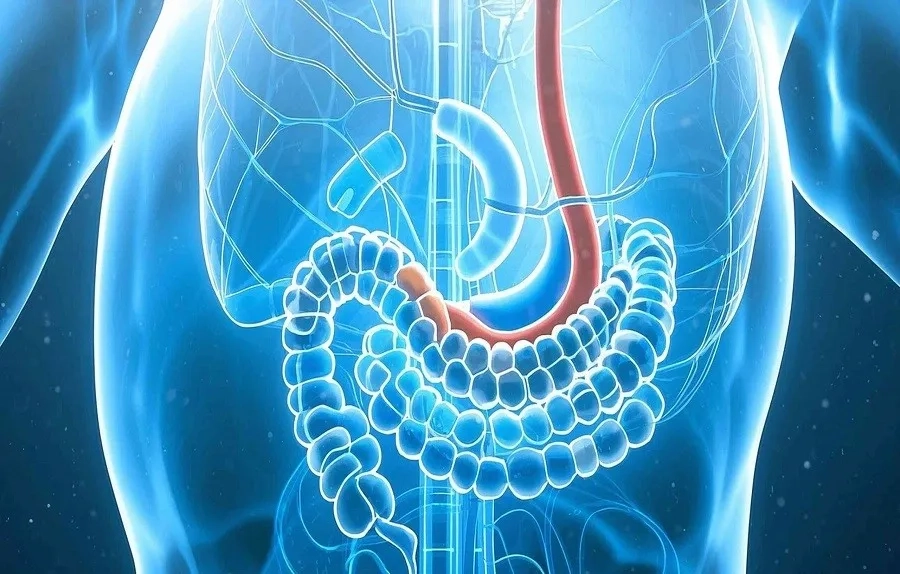
Final Thoughts
Cancer often develops gradually, and the body may provide warning signs long before a diagnosis is made. Unexplained weight loss, persistent fatigue, ongoing pain, skin changes, lumps, digestive issues, urinary changes, chronic cough, swallowing difficulties, and unusual bleeding are among the symptoms that deserve attention when they persist.
Most of these symptoms are far more likely to be caused by conditions other than cancer. However, paying attention to persistent changes and seeking timely medical advice can play an important role in protecting long-term health.
Listening to your body and addressing unusual symptoms early may make a meaningful difference in overall well-being and health outcomes.