Over 40? These Common Nail Changes May Offer Clues About Your Health
Most People Over 40 Overlook These Nail Changes—Here's Why They Matter
Health 27/07/2026 13:50
Cassava is one of the world's most important staple foods, feeding hundreds of millions of people across Africa, Asia, and Latin America. Rich in carbohydrates and relatively easy to grow in poor soils, it has become a vital source of energy for many communities. However, despite its nutritional value, cassava has earned a reputation as one of the most potentially dangerous foods when it is not processed correctly. Every year, cases of poisoning linked to improperly prepared cassava are reported in different parts of the world, highlighting the importance of proper handling before consumption.


 5
5
The hidden danger lies in naturally occurring compounds called cyanogenic glycosides. These substances are present in both sweet and bitter varieties of cassava, although bitter cassava generally contains much higher concentrations. When the root is cut, crushed, or chewed, these compounds can release hydrogen cyanide, a toxic chemical that can interfere with the body's ability to use oxygen.
Fortunately, proper preparation dramatically reduces this risk. Traditional methods such as peeling, soaking, fermenting, drying, and cooking help remove most of the harmful compounds before the cassava reaches the dinner table. Communities that have relied on cassava for generations have developed effective preparation techniques that make it a safe and nutritious staple food.
Problems usually occur when cassava is eaten raw or is only partially cooked. During food shortages or emergencies, people may shorten the preparation process, increasing the risk of cyanide exposure. Mild poisoning can cause nausea, vomiting, dizziness, abdominal pain, headache, and weakness. Severe poisoning, although uncommon, may lead to breathing difficulties, seizures, loss of consciousness, and can become life-threatening without prompt medical care.
Long-term consumption of poorly processed cassava, especially when combined with diets low in protein, has also been associated with certain neurological disorders in some regions where cassava is a major dietary staple. These conditions are rare and are generally linked to chronic exposure under specific nutritional circumstances rather than occasional consumption.


 7
7
It is important to emphasize that properly prepared cassava is considered safe by food safety experts and is enjoyed daily by millions of people worldwide. Boiling alone may not always remove enough toxins from bitter cassava, which is why peeling and additional preparation methods are often recommended. Commercial cassava products sold through reputable suppliers are generally processed according to established food safety standards.
Consumers should also avoid eating raw cassava leaves or roots and should never taste bitter raw cassava. If preparing fresh cassava at home, select roots that are firm and free from mold or spoilage. Peel them thoroughly, discard the peel, and follow trusted preparation methods before cooking. Frozen or commercially processed cassava products are often a convenient and safer option because much of the preparation has already been completed.
Cassava also offers several nutritional benefits. It provides complex carbohydrates for energy and contains small amounts of vitamin C, potassium, and dietary fiber. Although it is naturally gluten-free, cassava is relatively low in protein and should ideally be eaten as part of a balanced diet that includes protein-rich foods, vegetables, fruits, and healthy fats.


 6
6
For most people, there is no reason to avoid cassava altogether. The key message is not that cassava is inherently dangerous, but that safe preparation matters. Following proper cooking techniques allows people to enjoy this important food while minimizing health risks. As with many natural foods, knowledge and careful preparation are the best ways to ensure both safety and nutrition.
Most People Over 40 Overlook These Nail Changes—Here's Why They Matter


Thinking About Gallbladder Removal? Here's What You Should Know


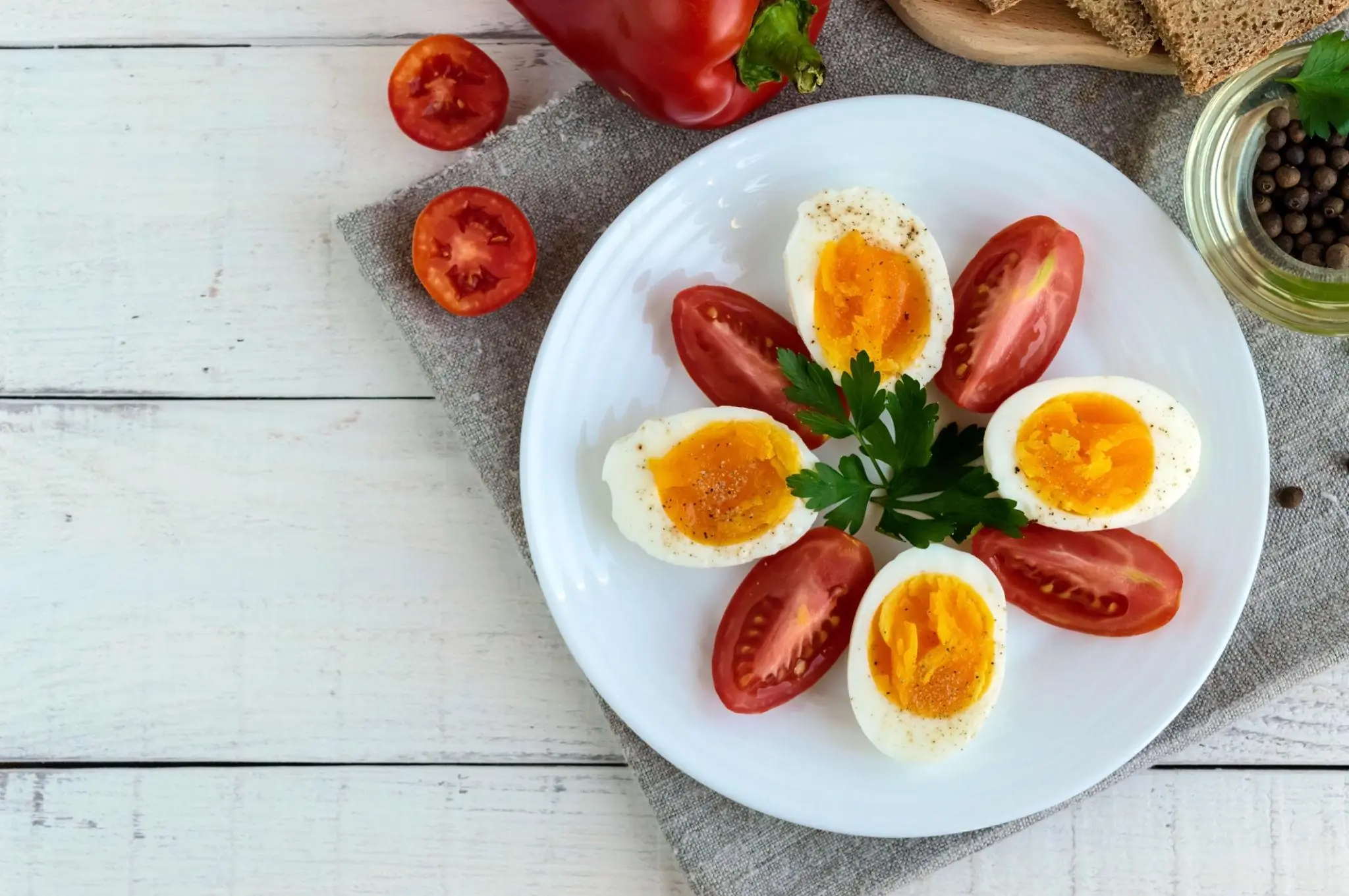
Eggs are nutritious, but eating them daily isn't the best choice for everyone.

Don't ignore these common warning signs.

Doctors Reveal the Warning Signs of Low Blood Sugar
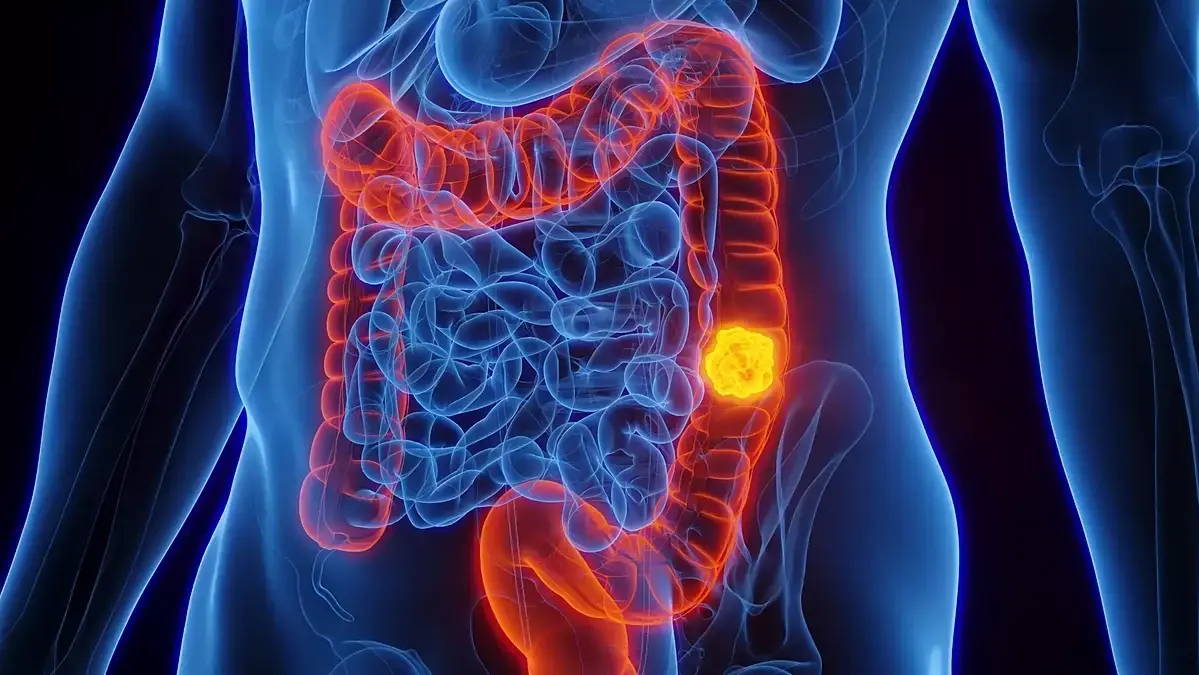
The Silent Signs of Colorectal Can.cer Many People Miss

Unsafe food storage habits may increase exposure to dangerous food toxins.

Cucumbers are among the most popular vegetables used in salads around the world. Refreshing, low in calories, and packed with water, they are often associated with healthy eating and weight management.

Can Eating Too Much Ginger Be Harmful? A Case Report Highlights Possible Risks

Why Sleeping Before 10 PM May Be One of the Best Habits for Your Health: 9 Reasons
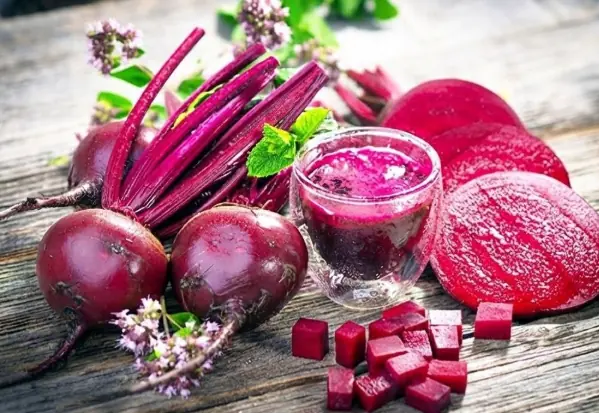
Why Beets Are Considered a Nutritious Addition to a Healthy Diet?

Can eating eggs daily affect your health? Here's what experts say.

Raw green onions can harbor germs if not cleaned and handled with care.

Could These 5 Backyard Plants Make Your Yard More Inviting to Snakes?
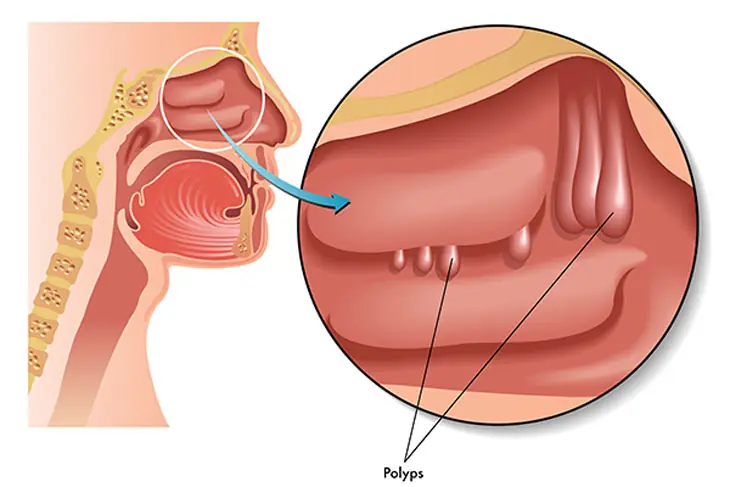
5 Common Nose Symptoms That May Indicate More Than Just Allergies

Could Your Body Be Trying to Tell You Something? Watch for These 8 Warning Signs
Most People Over 40 Overlook These Nail Changes—Here's Why They Matter

Thinking About Gallbladder Removal? Here's What You Should Know

This Small Detail on Your Toes Could Say More About Your Health Than You Realize
Eggs are nutritious, but eating them daily isn't the best choice for everyone.
Don't ignore these common warning signs.
Doctors Reveal the Warning Signs of Low Blood Sugar
The Silent Signs of Colorectal Can.cer Many People Miss
Unsafe food storage habits may increase exposure to dangerous food toxins.
Cucumbers are among the most popular vegetables used in salads around the world. Refreshing, low in calories, and packed with water, they are often associated with healthy eating and weight management.
Can Eating Too Much Ginger Be Harmful? A Case Report Highlights Possible Risks

The School Uniform Rule Many Students Don't Know
Why Sleeping Before 10 PM May Be One of the Best Habits for Your Health: 9 Reasons
Why Beets Are Considered a Nutritious Addition to a Healthy Diet?
Can eating eggs daily affect your health? Here's what experts say.
Raw green onions can harbor germs if not cleaned and handled with care.