Our bodies often provide subtle clues when something is affecting our health. While many people pay attention to symptoms such as coughing, shortness of breath, or chest discomfort, fewer realize that changes in the fingers and nails can sometimes reflect underlying medical conditions.
One particular change that has attracted medical attention for decades is finger clubbing. Although finger clubbing is not a disease itself and does not automatically mean someone has a serious illness, it can occasionally be associated with certain lung, heart, digestive, or other health conditions.
Understanding what finger clubbing looks like and when it may warrant medical evaluation can help people recognize an important sign that should not be ignored.
What Is Finger Clubbing?
Finger clubbing refers to changes in the shape of the fingers and fingernails.
Typical Features
The fingertips may appear:
-
Enlarged
-
Rounded
-
Bulbous
The nails may:
-
Curve downward more than usual
-
Become more convex
-
Appear shinier
These changes typically develop gradually over time.
Why Doctors Pay Attention to Finger Clubbing
Finger clubbing has been recognized in medicine for centuries.
Although it is relatively uncommon, doctors often examine the hands and nails during physical examinations because they can sometimes reveal clues about underlying health conditions.
Important Point
Finger clubbing itself is not harmful.
However, it may occasionally signal an underlying disorder that deserves medical attention.
How to Perform the "Window Test"
One simple observation often discussed by healthcare professionals is called the Schamroth Window Test.
How It Works
-
Place the corresponding fingernails of both index fingers together.
-
Hold them so the nail surfaces touch.
-
Look for a small diamond-shaped gap between the nail beds.
Normal Result
Most people have a visible small gap or "window."
Possible Clubbing Sign
If the gap is absent, it may suggest finger clubbing.
Important Reminder
This test cannot diagnose any disease.
Only a healthcare professional can properly evaluate finger changes and determine their significance.
What Causes Finger Clubbing?
The exact biological mechanism is not fully understood.
Researchers believe it may involve:
-
Changes in blood flow
-
Increased tissue growth
-
Altered signaling molecules
These changes can affect the tissues beneath the fingernails and fingertips.
Lung Conditions Associated With Finger Clubbing
Finger clubbing is perhaps most commonly discussed in relation to lung diseases.
Chronic Lung Disease
Certain long-term lung disorders have been associated with clubbing.
Examples include:
-
Chronic infections
-
Lung scarring
-
Bronchiectasis
Lung Cancer
Finger clubbing can occasionally occur in individuals with certain forms of lung cancer.
Important Clarification
Most people with finger clubbing do not automatically have lung cancer.
Likewise, many people with lung cancer never develop clubbing.
The presence of clubbing simply indicates the need for proper medical evaluation.
Other Conditions That May Be Associated With Clubbing
The lungs are not the only organs involved.
Heart Conditions
Some congenital heart diseases may be associated with finger clubbing.
Digestive Disorders
Certain gastrointestinal conditions have been linked to clubbing.
Examples include:
-
Inflammatory bowel disease
-
Chronic liver disease
Thyroid Disorders
Rare thyroid-related conditions may also contribute.
Other Finger Changes Worth Noticing
Not every finger or nail change represents clubbing.
However, some changes deserve attention.
Nail Color Changes
Unusual nail discoloration may reflect:
-
Nutritional deficiencies
-
Circulatory problems
-
Medical conditions
Thickened Nails
Can occur due to:
-
Fungal infections
-
Aging
-
Other health concerns
Spoon-Shaped Nails
Sometimes associated with iron deficiency.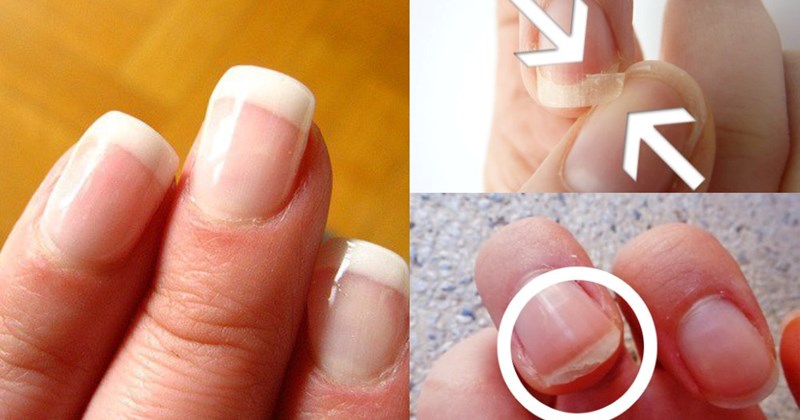
Brittle Nails
May result from:
-
Dryness
-
Nutritional factors
-
Medical conditions
Common Symptoms That May Accompany Lung Conditions
If finger changes occur alongside respiratory symptoms, medical evaluation becomes especially important.
Persistent Cough
A cough lasting several weeks should be discussed with a healthcare provider.
Shortness of Breath
Particularly if symptoms worsen over time.
Chest Discomfort
Persistent chest symptoms warrant attention.
Unexplained Weight Loss
Should always be evaluated medically.
Fatigue
Ongoing fatigue may accompany many health conditions.
Why Early Detection Matters
Many medical conditions are easier to manage when detected early.
Early evaluation may allow:
-
Earlier diagnosis
-
More treatment options
-
Better long-term outcomes
Even when symptoms ultimately prove harmless, professional assessment provides reassurance.
When Finger Clubbing Is Not Related to Serious Illness
In some cases:
-
Clubbing may be mild
-
No significant disease is found
-
Family traits may play a role
However, because clubbing can be associated with medical conditions, evaluation is generally recommended when it is newly noticed.
How Doctors Evaluate Finger Clubbing
Healthcare providers typically begin with:
Medical History
Questions may include:
-
When changes began
-
Smoking history
-
Respiratory symptoms
-
Family history
Physical Examination
The doctor examines:
-
Fingers
-
Nails
-
Lungs
-
Heart
Additional Testing
Depending on findings, tests may include:
-
Blood tests
-
Chest imaging
-
Lung function testing
-
Heart evaluations
The goal is to identify any underlying cause.
Lifestyle Habits That Support Lung Health
Whether or not finger changes are present, healthy habits support respiratory wellness.
Avoid Smoking
Smoking remains one of the most significant risk factors for lung disease.
Stay Physically Active
Regular activity supports lung and cardiovascular function.
Minimize Exposure to Air Pollutants
Reducing exposure to harmful particles may benefit respiratory health.
Maintain Routine Medical Checkups
Preventive care supports early detection.
Eat a Balanced Diet
Good nutrition supports overall health and immune function.
Common Myths About Finger Clubbing
Myth 1: Finger Clubbing Always Means Cancer
This is false.
Many conditions can cause clubbing, and some people with clubbing do not have cancer.
Myth 2: The Window Test Can Diagnose Disease
The test is only a simple observation tool.
Diagnosis requires professional evaluation.
Myth 3: Finger Changes Are Always Harmless
While many changes are benign, persistent or unusual changes deserve attention.
Myth 4: Only Smokers Develop Finger Clubbing
Various medical conditions can contribute, regardless of smoking history.
The Importance of Paying Attention to Physical Changes
The body often provides clues before more obvious symptoms appear.
Noticing changes in:
-
Nails
-
Skin
-
Fingers
-
Weight
-
Energy levels
can sometimes help identify health concerns earlier.
Observation should never replace medical care, but awareness is valuable.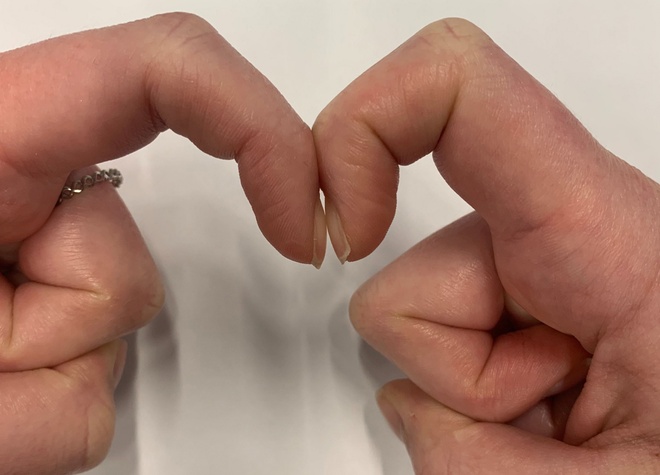
Final Thoughts
Finger clubbing is an unusual change in the shape of the fingertips and nails that can sometimes be associated with underlying lung, heart, digestive, or other medical conditions. One commonly discussed observation is the Schamroth Window Test, which may help identify possible clubbing, although it cannot diagnose any disease.
While finger clubbing does not automatically indicate a serious illness, it is a sign that deserves medical attention—especially if it develops alongside symptoms such as persistent cough, shortness of breath, chest discomfort, or unexplained weight loss.
Being aware of changes in your body and seeking timely medical evaluation when necessary can play an important role in maintaining overall health and identifying potential problems at an earlier stage.