A stroke can happen suddenly, sometimes with little or no warning.
One minute, a person may be talking normally, walking around the house, or going about an ordinary day. Moments later, they may suddenly be unable to speak clearly, move one side of the body, or see properly.
Because a stroke can cause permanent brain injury within a short period of time, recognizing the warning signs and seeking emergency medical care immediately can make a critical difference.
Some people also experience temporary neurological symptoms before a major stroke. These episodes may be caused by a transient ischemic attack (TIA), sometimes called a “mini-stroke.” A TIA is an emergency warning and requires urgent medical evaluation even if the symptoms disappear.
The key is not to wait and see whether the symptoms get better.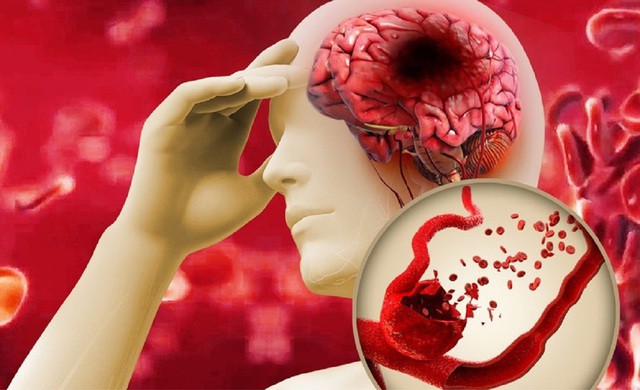
What Happens During a Stroke?
A stroke occurs when blood flow to part of the brain is interrupted or when a blood vessel in the brain ruptures and causes bleeding.
There are two major types.
An ischemic stroke happens when a blood clot or another obstruction blocks blood flow to part of the brain.
A hemorrhagic stroke occurs when a blood vessel breaks and bleeding develops in or around the brain.
Both can damage brain tissue.
Because different parts of the brain control different functions, the symptoms can vary depending on which area is affected.
That's why recognizing sudden changes in movement, speech, vision, coordination, or consciousness is so important.
1. Sudden Weakness or Numbness on One Side
One of the classic warning signs of stroke is sudden weakness, numbness, or loss of sensation affecting the face, arm, or leg—particularly on one side of the body.
A person may suddenly notice that one arm feels heavy.
They may struggle to lift both arms equally.
One side of the face may droop.
They may have difficulty walking because one leg suddenly feels weak.
The change can be subtle or dramatic.
Even if the weakness seems to improve after a few minutes, it should not simply be dismissed.
Temporary symptoms can be a sign of a TIA and may indicate an increased risk of a future stroke.
2. Sudden Difficulty Speaking or Understanding
A person having a stroke may suddenly struggle to speak.
Their words may become slurred.
They may use the wrong words.
They may speak in a way that doesn't make sense.
Sometimes the person knows exactly what they want to say but cannot get the words out.
Other people may suddenly have trouble understanding what someone else is saying.
This can be particularly alarming when it develops without explanation.
Speech problems can also occur for other reasons, but a sudden new change in speech is an emergency until proven otherwise.
3. A Sudden Drooping Face
Ask the person to smile.
Does one side of the face appear lower than the other?
Is one side of the mouth drooping?
Does their smile suddenly look uneven?
Facial weakness is a common stroke sign, particularly when it occurs together with arm weakness or speech difficulties.
Don't assume that a person is simply tired or experiencing a temporary facial muscle problem.
A sudden facial droop should be treated seriously.
4. Sudden Trouble Walking or Maintaining Balance
A stroke can affect areas of the brain responsible for coordination and balance.
A person may suddenly become dizzy.
They may stumble or feel as though the floor is moving.
They may have difficulty standing.
Their walking may suddenly become unsteady even though they were perfectly stable moments earlier.
Not every episode of dizziness is related to stroke. Inner-ear problems, low blood pressure, dehydration, medication effects, and other conditions can produce dizziness too.
But sudden severe balance problems, particularly when accompanied by other neurological symptoms, warrant emergency evaluation.
5. A Sudden, Severe Headache
A sudden, severe headache—especially one that develops rapidly and feels dramatically different from previous headaches—can be a warning sign of a serious neurological problem.
This is particularly concerning when the headache occurs with vomiting, loss of consciousness, weakness, confusion, visual changes, or difficulty speaking.
A very sudden and severe headache can be associated with bleeding in or around the brain.
Not every severe headache is a stroke, and migraine can also cause dramatic symptoms.
But a new “worst headache” or thunderclap-like headache should never be casually dismissed.
6. Sudden Changes in Vision
Stroke can affect the areas of the brain responsible for vision.
A person may suddenly develop:
Blurred vision.
Double vision.
Loss of vision in one eye.
Loss of vision on one side of the visual field.
Difficulty seeing objects that were previously obvious.
Sometimes the change is brief.
That does not make it harmless.
A temporary loss of vision or visual disturbance may be a sign of a TIA or another vascular problem requiring urgent investigation.
If vision changes occur suddenly and without an obvious explanation, seek emergency medical attention.
7. Sudden Confusion
Someone experiencing a stroke may suddenly become confused.
They might not know where they are.
They may struggle to answer simple questions.