They may behave unusually.
They might appear awake but have difficulty understanding what's happening around them.
Sudden confusion can occur with many medical emergencies, including stroke, infection, low blood sugar, seizures, medication effects, and other problems.
The sudden onset is particularly important.
A person who was functioning normally and then abruptly becomes confused needs immediate evaluation.
8. Sudden Difficulty Swallowing
Swallowing can also be affected by a stroke.
A person may suddenly cough while drinking.
Food may seem to become difficult to swallow.
They may have trouble controlling saliva.
Their voice may sound different after swallowing.
Difficulty swallowing can be dangerous because food or liquid can enter the lungs rather than the stomach.
When swallowing problems appear suddenly alongside other neurological changes, stroke should be considered and emergency medical assessment is necessary.
9. Sudden Loss of Coordination
A person may suddenly have trouble performing ordinary movements.
They might drop objects.
They may struggle to use one hand.
Their movements may become clumsy or uncoordinated.
They might have difficulty reaching for something or completing a task they normally perform without thinking.
Again, the important feature is the sudden change from the person's normal abilities.
A gradual decline in coordination can have many causes.
A sudden major change can be a medical emergency.
The FAST Method Can Help You Recognize Stroke
A simple way to remember some of the most important stroke warning signs is FAST:
F — Face: Ask the person to smile. Does one side droop?
A — Arms: Ask them to raise both arms. Does one arm drift downward or feel weak?
S — Speech: Ask them to repeat a simple sentence. Is their speech slurred, confused, or unusual?
T — Time: If any of these signs are present, call emergency medical services immediately.
FAST does not capture every possible stroke symptom, but it can help people recognize some of the most important ones quickly.
Don't Wait for All the Symptoms to Appear
A common mistake is thinking:
“It can't be a stroke because only one symptom is happening.”
That is dangerous.
A stroke does not have to produce every classic symptom.
One sudden neurological change may be enough to justify emergency evaluation.
For example, sudden trouble speaking alone can be a stroke.
So can sudden vision loss.
So can sudden weakness on one side.
Don't wait until several symptoms appear before acting.
A TIA Can Be a Serious Warning
Transient ischemic attacks can produce stroke-like symptoms that disappear within minutes or hours.
A person might suddenly experience weakness, numbness, speech difficulties, or vision loss and then feel completely normal again.
That can create a false sense of security.
“I'm fine now” does not necessarily mean the danger has passed.
A TIA can be a warning that a more serious stroke may occur in the near future.
Anyone experiencing sudden neurological symptoms that could represent a TIA should seek urgent medical assessment even if the symptoms have completely resolved.
Don't Drive Yourself to the Hospital
If stroke symptoms are occurring, calling emergency medical services is generally safer than having someone drive the person to the hospital.
Emergency medical personnel can begin assessment and care while transporting the patient.
They can also communicate with the receiving hospital, helping the medical team prepare for the person's arrival.
Time matters in stroke treatment.
Delaying care to arrange transportation can cost valuable minutes.
Note When the Symptoms Started
One detail can be extremely important to doctors:
When was the person last known to be normal?
Write down the time symptoms were first noticed.
If the exact onset is unknown, tell medical professionals when the person was last seen without symptoms.
This information can influence treatment decisions.
For example, some stroke treatments are highly time-sensitive.
Don't spend precious minutes trying to establish the exact diagnosis yourself.
Record the information and let emergency professionals take over.
Don't Give Food or Drink
A person experiencing a stroke may have difficulty swallowing.
Giving food, water, or medication by mouth can create a choking risk if their swallowing ability has been impaired.
It's safer to wait for medical guidance.
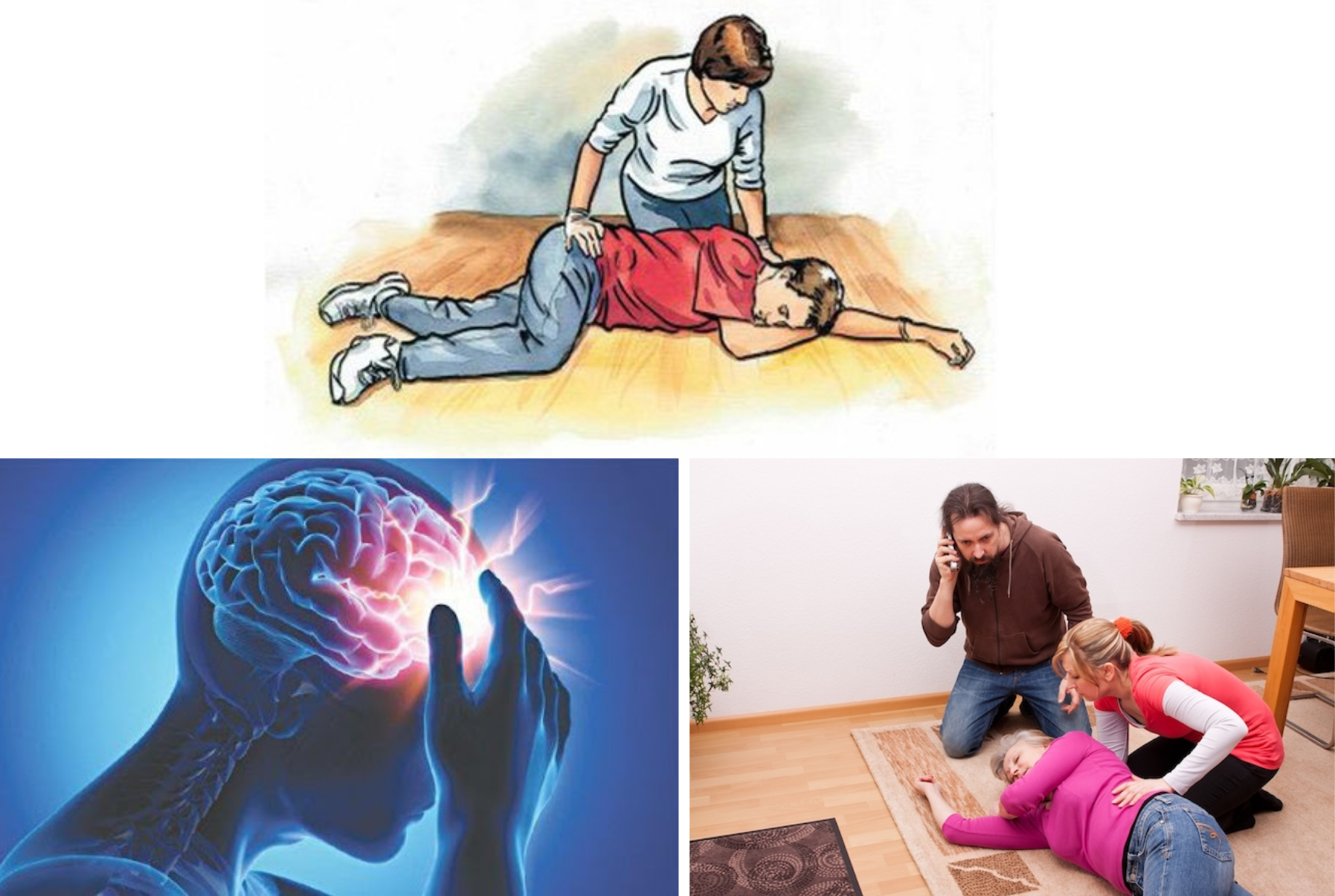
If the person is unconscious but breathing, follow emergency-dispatch instructions and place them in an appropriate recovery position if instructed and safe to do so.