If they are not breathing normally, emergency services should be contacted immediately and CPR should be started if appropriate and if you are trained to do so.
Don't Give Aspirin on Your Own
Aspirin is commonly associated with heart attacks and blood clots, but stroke is different.
Some strokes are caused by blood clots.
Others are caused by bleeding.
Giving aspirin during a stroke could potentially worsen bleeding in a hemorrhagic stroke.
For that reason, don't give aspirin to someone with suspected stroke unless a medical professional specifically instructs you to do so.
The priority is emergency evaluation.
Brain imaging is typically needed to determine the type of stroke before certain treatments are given.
Who Is at Higher Risk?
Stroke can happen to anyone, but certain factors increase risk.
These include:
High blood pressure.
Smoking.
Diabetes.
High cholesterol.
A history of cardiovascular disease.
Atrial fibrillation and certain other heart conditions.
Previous stroke or TIA.
Older age.
Family history.
Some lifestyle and medical factors can be modified.
Others cannot.
Knowing your personal risk profile can help you work with a healthcare professional on prevention.
High Blood Pressure Deserves Special Attention
High blood pressure is one of the most important modifiable risk factors for stroke.
The problem is that hypertension often causes no obvious symptoms.
A person can feel completely normal while their blood pressure is damaging blood vessels over time.
That is why regular blood-pressure checks can be important even when you feel healthy.
If your blood pressure is consistently elevated, discuss appropriate management with a healthcare professional.
Diabetes Can Also Increase Stroke Risk
Persistently elevated blood glucose can damage blood vessels and increase cardiovascular risk.
People with diabetes therefore have an increased risk of stroke.
Managing blood glucose, blood pressure, cholesterol, physical activity, and other risk factors can help reduce that risk.
Regular medical care is particularly important because diabetes-related vascular damage can develop gradually without obvious warning signs.
Smoking and Stroke Risk
Smoking damages blood vessels and contributes to cardiovascular disease.
It is a major modifiable risk factor for stroke.
Quitting can reduce health risks over time.
For people who smoke, professional support, nicotine-replacement therapies, medications, and behavioral strategies can make quitting more achievable.
Why Early Action Matters
The brain needs a constant supply of oxygen and nutrients.
When blood flow is interrupted, brain cells begin to suffer.
The longer the disruption continues, the greater the potential for permanent damage.
That is why doctors often emphasize the concept:
Time is brain.
Some ischemic strokes can be treated with clot-dissolving medication or mechanical clot removal in appropriate patients, but eligibility depends on factors such as timing, imaging results, stroke type, and individual medical circumstances.
Treatment options have advanced substantially, but they work best when people seek help quickly.
The Symptoms May Be Subtle
A stroke doesn't always look dramatic.
Sometimes the only sign is a slightly slurred sentence.
A weak hand.
A sudden inability to read.
A strange visual disturbance.
A brief episode of confusion.
A person may even insist that nothing is wrong.
That doesn't necessarily mean the situation is harmless.
If a sudden neurological change is unusual for that person, it deserves immediate attention.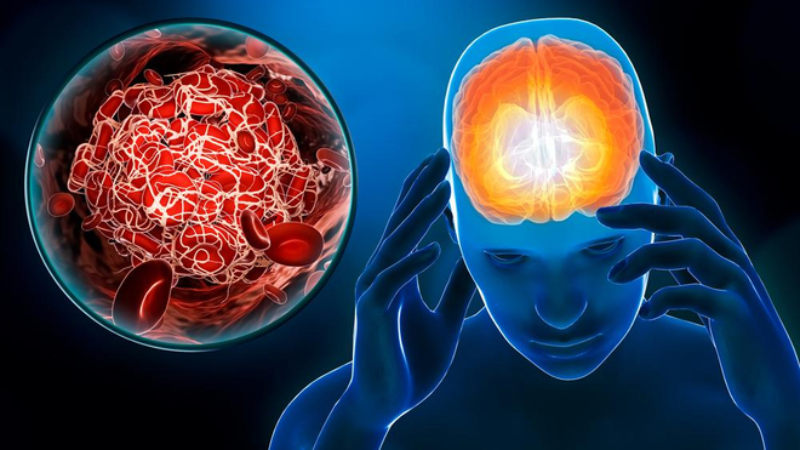
The Bottom Line
A stroke can happen without warning, but the body may reveal important signs when one is occurring.
Sudden facial drooping, weakness or numbness on one side, speech difficulty, confusion, vision changes, severe balance problems, swallowing difficulties, sudden coordination problems, or an abrupt severe headache can all be reasons to seek emergency medical attention.
Remember FAST:
Face. Arms. Speech. Time.
If you suspect a stroke, don't wait for symptoms to disappear, don't try to treat the problem at home, and don't drive the person yourself when emergency medical services are available.
Call for help immediately and note the time symptoms began—or the last time the person was known to be normal.
And remember that even temporary stroke-like symptoms can be a warning sign of a TIA and require urgent evaluation.
A stroke may change a life in minutes.
Recognizing the warning signs and acting quickly may be one of the most important things you ever do for yourself—or someone you love.