
Do You Always Sleep on Your Right Side? It May Be Worth Paying Attention to These Facts.
Right-Side Sleeper? Here Are Some Potential Benefits and Drawbacks You Should Know.
Health 08/07/2026 14:38
Every woman's body has its own natural scent, and a mild vaginal odor is completely normal. In fact, the balance of healthy bacteria, hormones, and normal vaginal secretions all contribute to a unique odor that can change slightly throughout the month.
However, a noticeable or persistent change in intimate odor—especially if it is accompanied by itching, unusual discharge, pain, or irritation—may be a sign that something has changed in your vaginal health. While many causes are harmless, others may require medical attention.
Here are four common reasons why vaginal odor may change and what you should know about each one.

One of the most common causes of an unusual vaginal odor is bacterial vaginosis (BV). This condition occurs when the natural balance of bacteria in the vagina is disrupted, allowing certain bacteria to overgrow.
Although BV is not considered a sexually transmitted infection, sexual activity can increase the risk of developing it. Douching may also disturb the vaginal microbiome and contribute to BV.
Treatment usually involves prescription antibiotics from a healthcare provider.
A vaginal yeast infection is caused by an overgrowth of Candida, a fungus that naturally lives in the vagina.
Unlike BV, yeast infections often do not produce a strong odor. Instead, women typically notice:
Yeast infections may occur after taking antibiotics, during pregnancy, or when blood sugar levels are poorly controlled.
Many cases can be treated with antifungal medications, but recurring infections should be evaluated by a healthcare professional.
Hormone levels naturally fluctuate throughout life and can temporarily affect vaginal odor.
You may notice subtle changes during:
During menopause, declining estrogen levels can reduce natural vaginal moisture and change the balance of protective bacteria, sometimes leading to a different odor or increased dryness.
These hormonal changes are often normal, but persistent symptoms should still be discussed with a healthcare provider.
Sweat, menstrual blood, urine, and normal vaginal secretions can all influence intimate odor if they remain on the skin for long periods.
In some cases, a forgotten tampon or menstrual product left in the vagina can cause a very strong, unpleasant odor along with abnormal discharge and discomfort. This situation requires prompt medical evaluation to prevent complications.
Maintaining good hygiene means:
Changes in vaginal odor can also be associated with:
Because there are many possible causes, it is important not to self-diagnose based on odor alone.
Seek medical advice if you experience:
These symptoms may indicate an infection or another condition that requires treatment.
Simple habits can help support a healthy vaginal environment:
A mild vaginal odor is a normal part of a healthy body. However, a sudden or persistent change in odor—particularly when accompanied by unusual discharge, itching, pain, or irritation—may signal an infection or another health issue that deserves medical attention.
Listening to your body and seeking medical advice when something feels unusual can help identify problems early and support long-term reproductive health.
Sources: American College of Obstetricians and Gynecologists (ACOG); Centers for Disease Control and Prevention (CDC); Mayo Clinic; Cleveland Clinic.
Right-Side Sleeper? Here Are Some Potential Benefits and Drawbacks You Should Know.
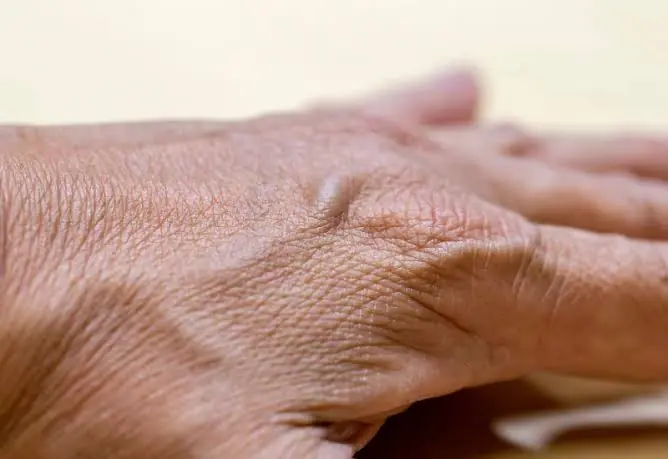
Are Your Hand Veins Becoming More Prominent? Here's What Might Be Behind It.

Some Stroke Symptoms May Seem Minor, But They Should Never Be Ignored.

Your Favorite Snack Could Cause These Unexpected Effects If You Eat Too Much.

A Puffy Face After Waking Up Could Have Several Causes—Kidney Problems Are One Possibility.

Could Your Leftovers Be Making You Sick? Watch Out for These 5 Foods.

Your morning routine may influence how energized you feel all day.

STOP! Before You Buy Toilet Paper Again, Read This…

How Your Daily Drink Choices Could Affect Your Brain and Heart.

Should You Drink Water as Soon as You Wake Up? Here's What to Know

When Fingers Turn White in the Cold, It Could Indicate an Underlying Circulation Issue

A simple mistake when eating eggs may pose serious health risks. Eggs are among the most nutritious and widely consumed foods in the world. Rich in protein, vitamins, and essential minerals, they are often recommended as part of a balanced diet.

Experts Warn That This Popular Food Must Be Prepared Correctly to Avoid Serious Health Risks

Doctors Warn That These 7 Morning Symptoms Are Often Overlooked 😲

A child's diagnosis raises fresh questions about food safety and healthy eating.

Discover what daily clove water may do for your health in just 30 days.

Most People Don't Know the Ideal Time to Eat Sweet Potatoes—Do You?

Frequent bruises without injury may be more than a cosmetic issue—they could signal an underlying health problem that deserves attention.
Right-Side Sleeper? Here Are Some Potential Benefits and Drawbacks You Should Know.
Are Your Hand Veins Becoming More Prominent? Here's What Might Be Behind It.
Some Stroke Symptoms May Seem Minor, But They Should Never Be Ignored.
Your Favorite Snack Could Cause These Unexpected Effects If You Eat Too Much.
A Puffy Face After Waking Up Could Have Several Causes—Kidney Problems Are One Possibility.

Everyone Will Ask for a Second Glass!
Could Your Leftovers Be Making You Sick? Watch Out for These 5 Foods.

If You Sleep With Your Phone Like This, Firefighters Want You to Stop Today.
Your morning routine may influence how energized you feel all day.

However, nutrition experts warn that not all fish are equally safe. Some types, depending on how they are preserved, prepared, or where they come from, may pose potential health risks if consumed frequently or improperly.

Most People Pick Fry C… Which One Are You?

If You See This Tiny Silver Bug in Your Home, Don't Ignore It!
STOP! Before You Buy Toilet Paper Again, Read This…
How Your Daily Drink Choices Could Affect Your Brain and Heart.
Should You Drink Water as Soon as You Wake Up? Here's What to Know
When Fingers Turn White in the Cold, It Could Indicate an Underlying Circulation Issue
A simple mistake when eating eggs may pose serious health risks. Eggs are among the most nutritious and widely consumed foods in the world. Rich in protein, vitamins, and essential minerals, they are often recommended as part of a balanced diet.
Experts Warn That This Popular Food Must Be Prepared Correctly to Avoid Serious Health Risks
Doctors Warn That These 7 Morning Symptoms Are Often Overlooked 😲